Chula–Thai Red Cross Transfer SB4456 Tech for Lung Cancer Treatment
Chulalongkorn University and the Thai Red Cross Society have signed an agreement to transfer the technology for the production of “SB4456,” aiming to move medical research into practical use within the country’s public health system. This collaboration reflects a partnership between an academic institution and a humanitarian organization to develop innovations for societal benefit.
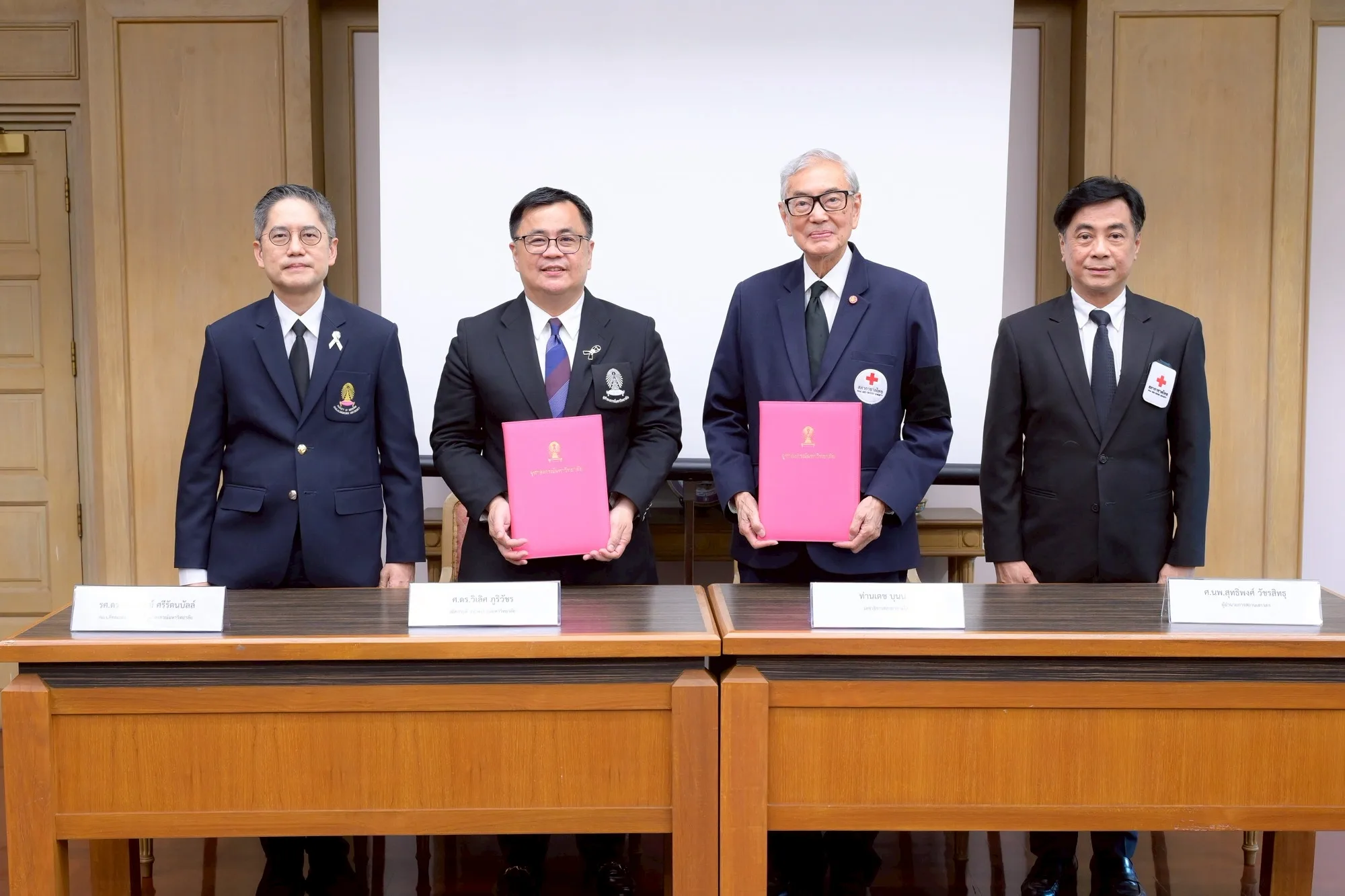
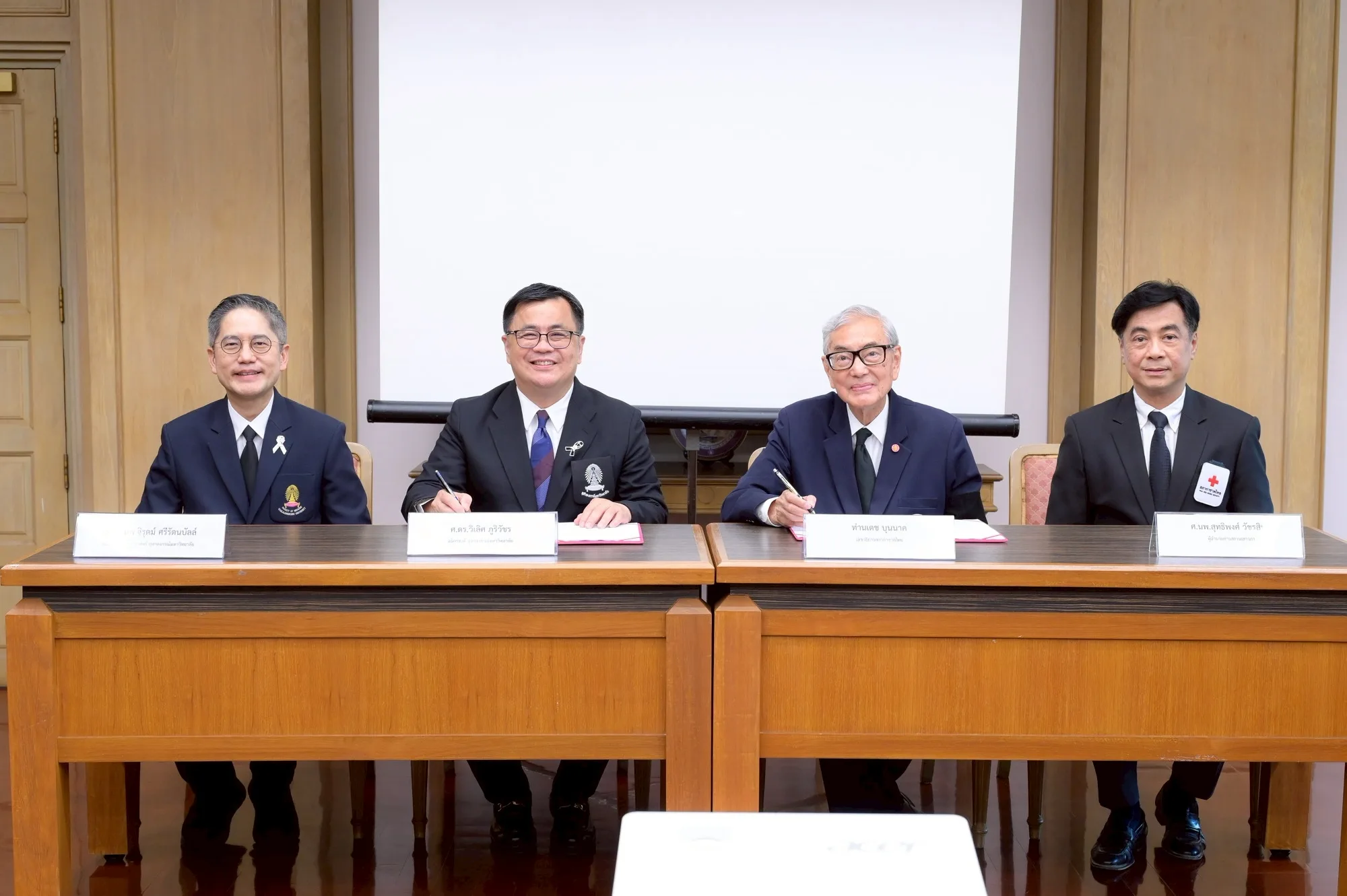
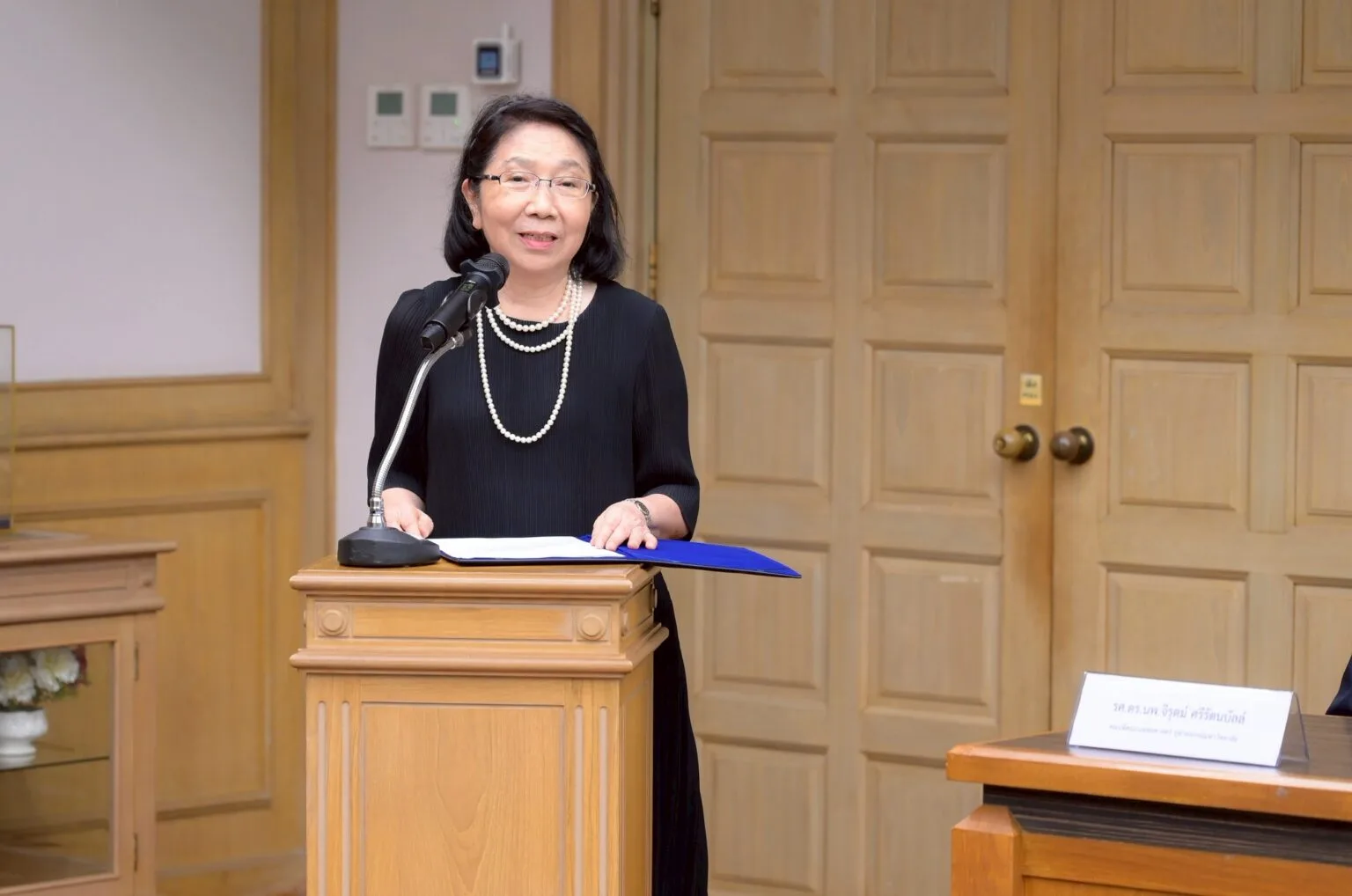
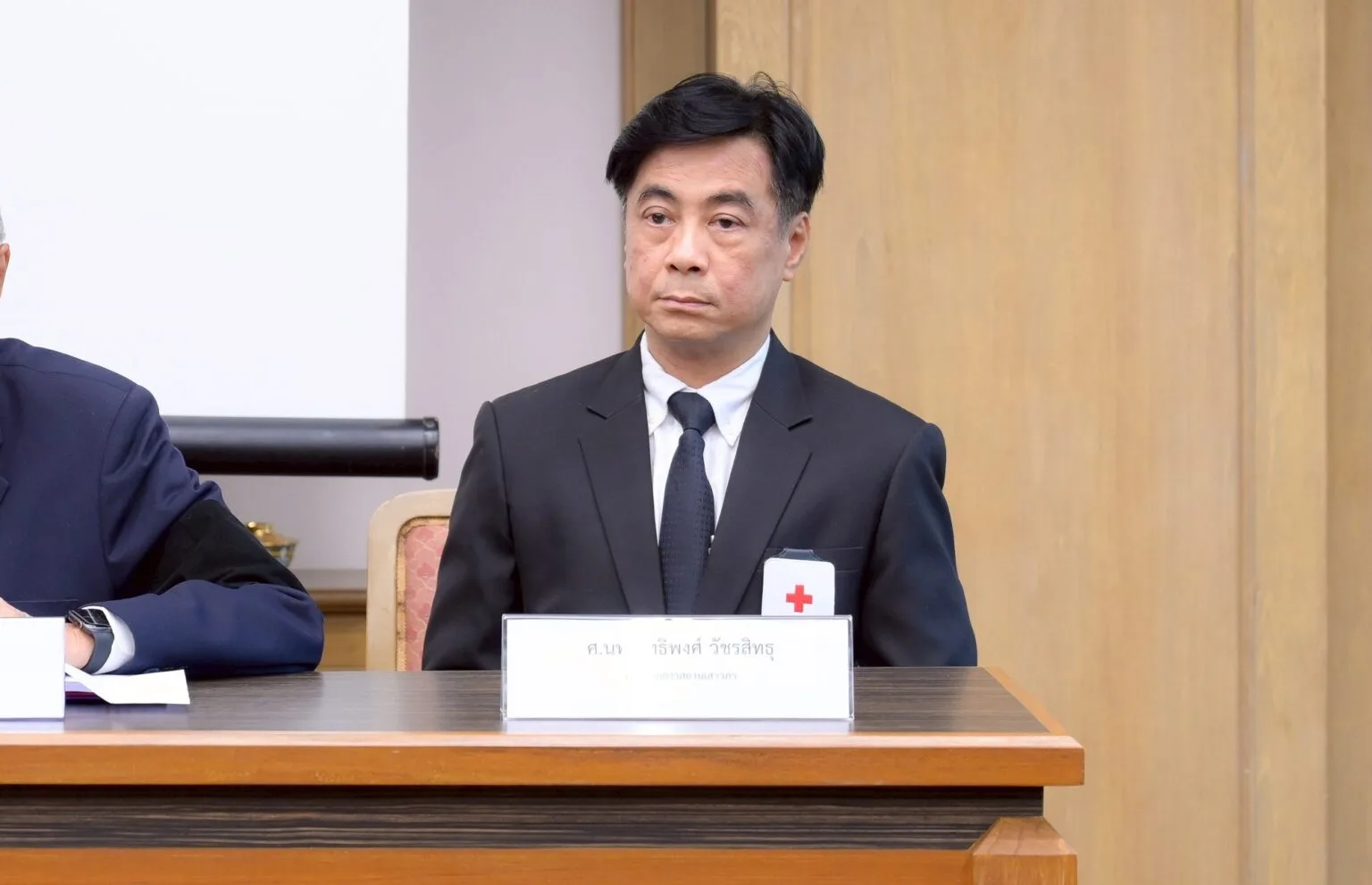
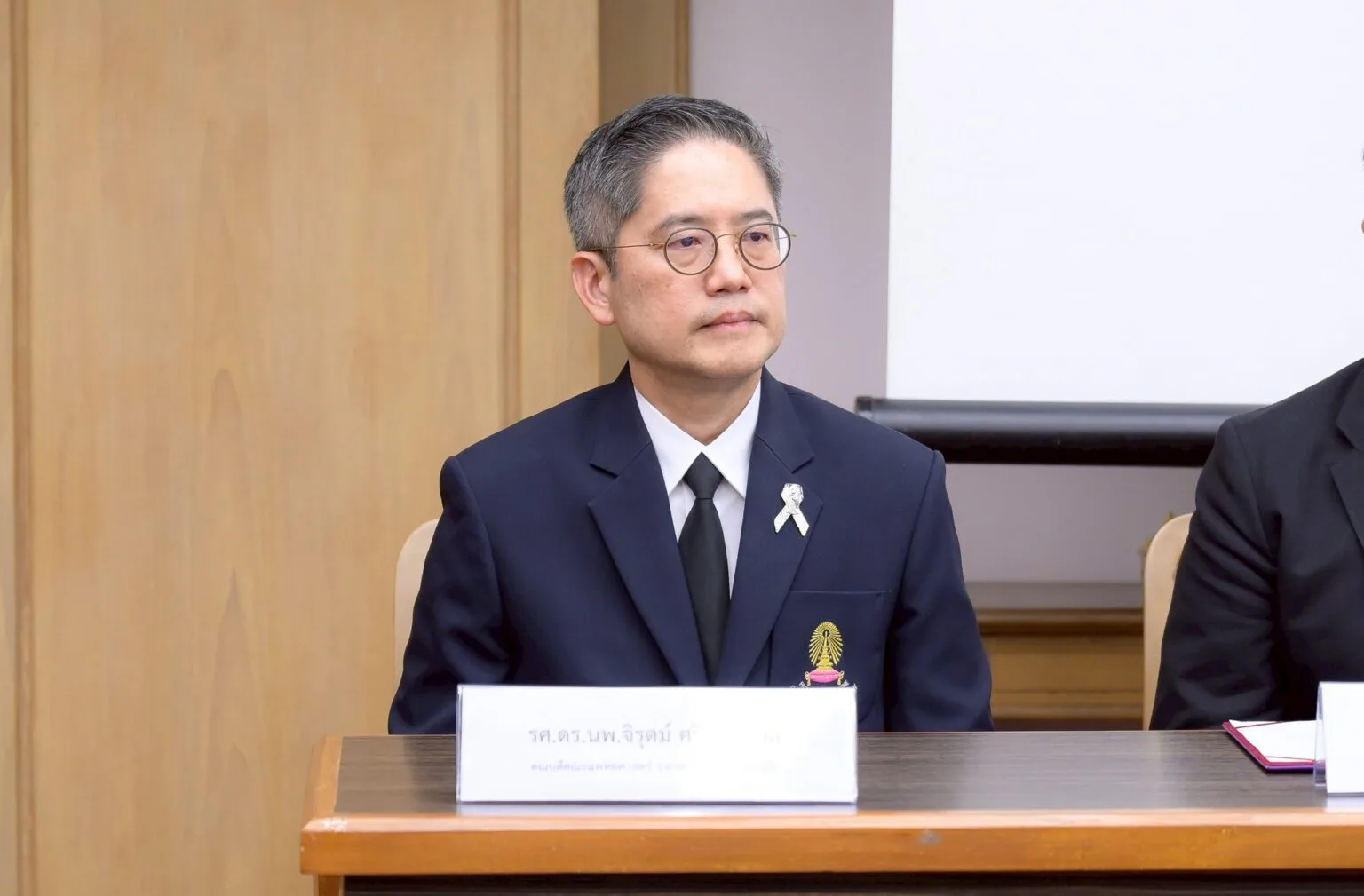
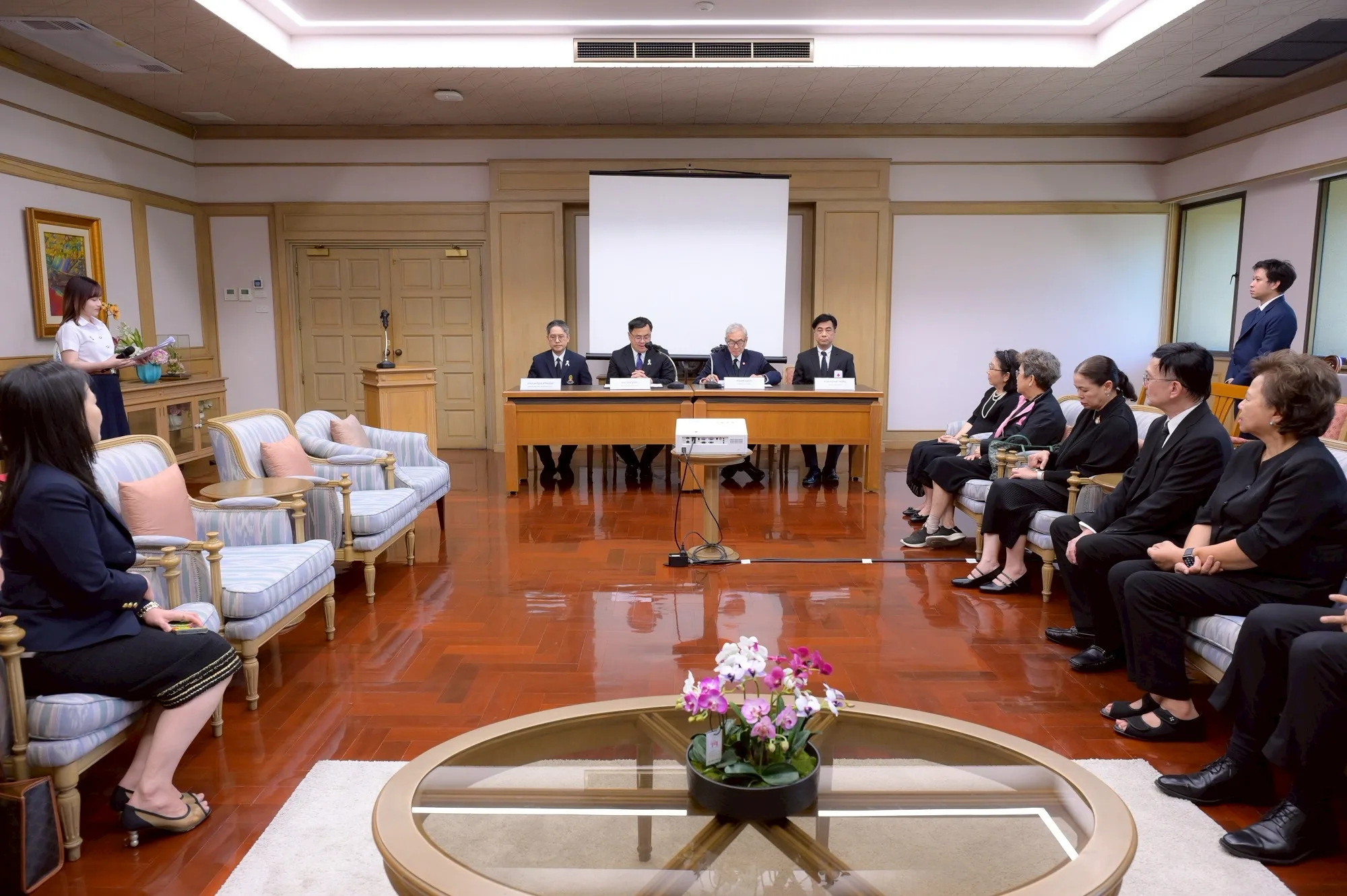
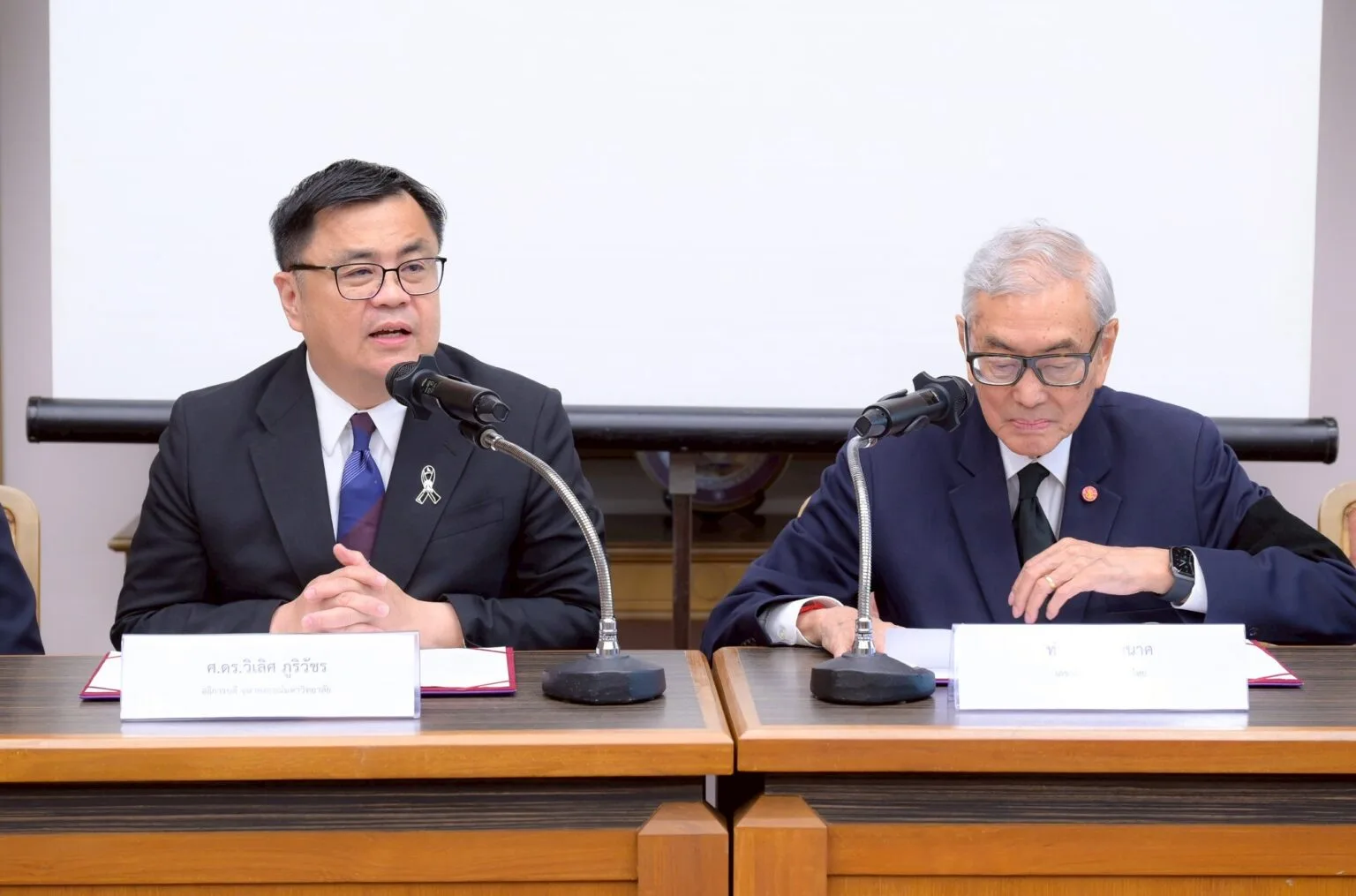
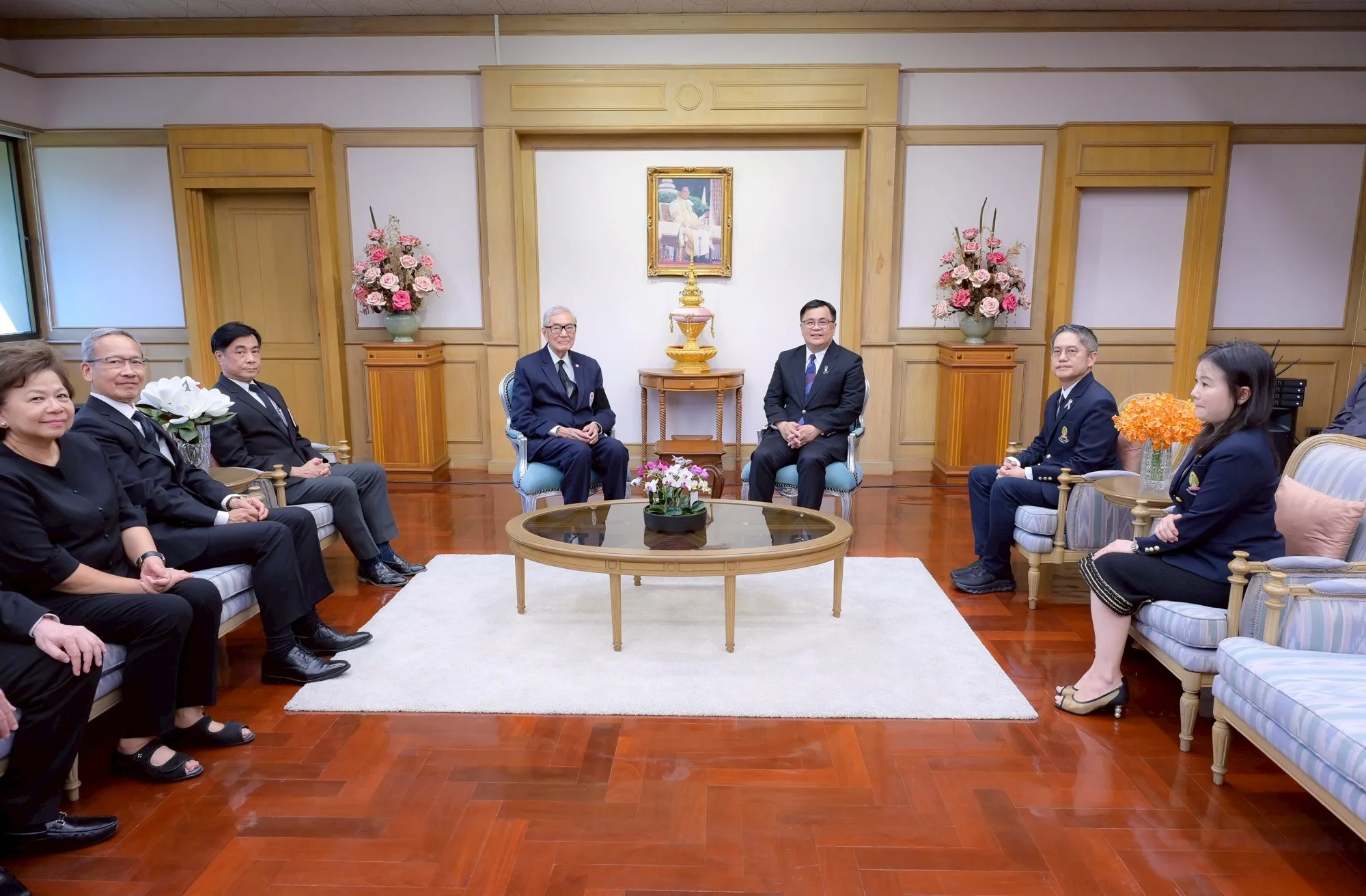
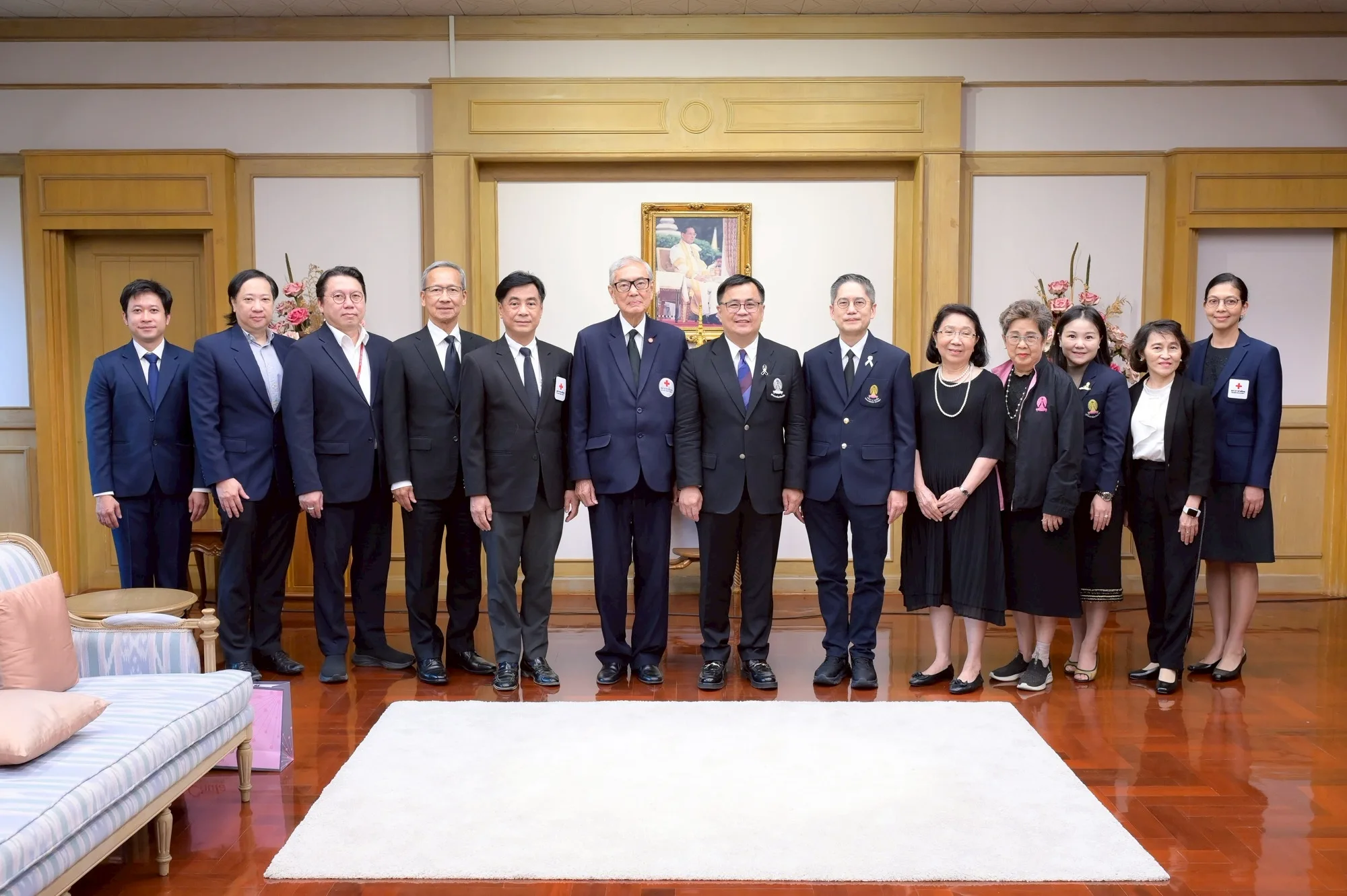
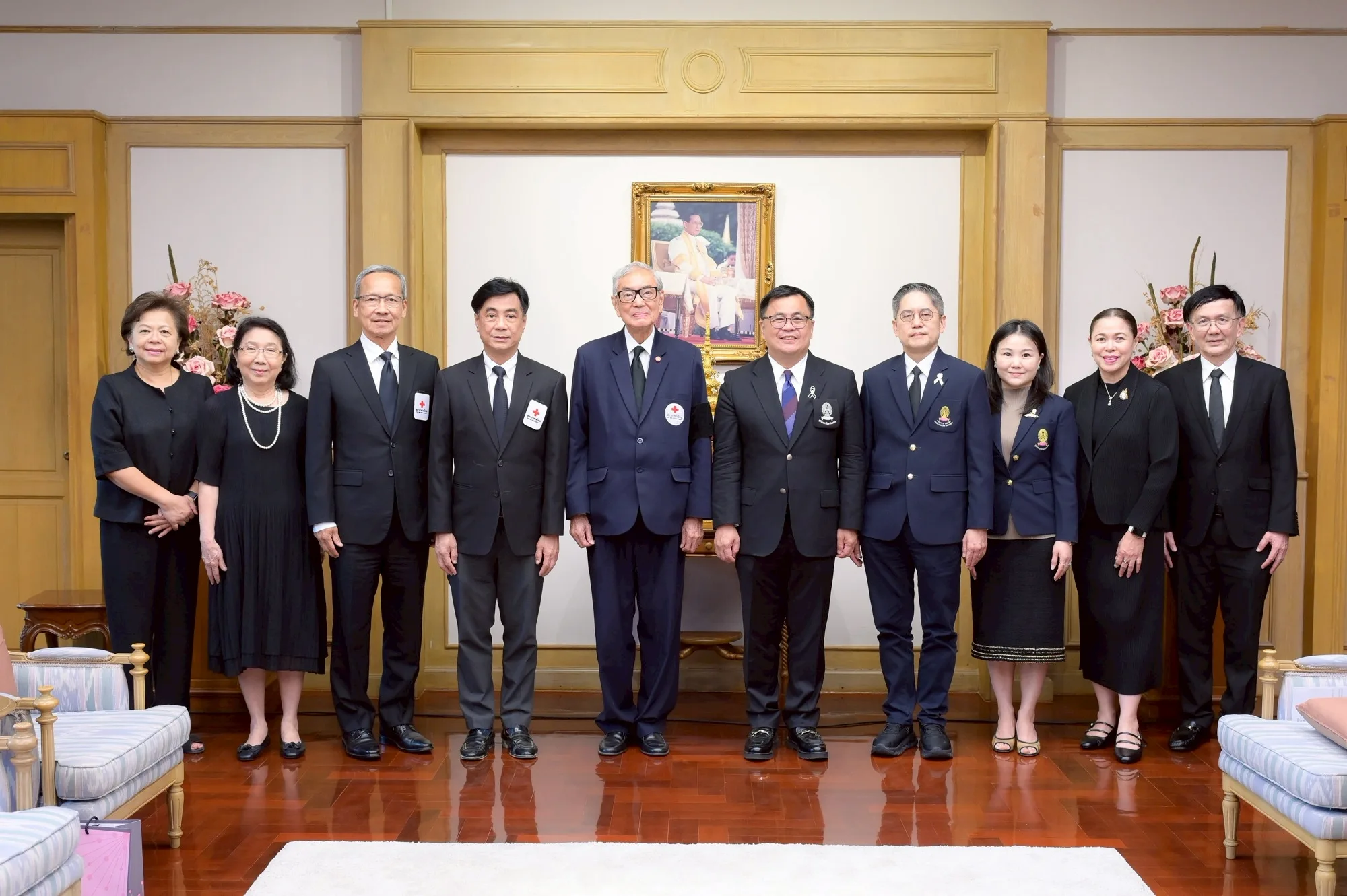
The signing ceremony was held on April 16, 2026, at the reception room on the 2nd floor of Chamchuri 4 Building, Chulalongkorn University. Representing the university was Prof. Dr. Wilert Puriwat, President of Chulalongkorn University, and representing the Thai Red Cross Society was Mr. Tej Bunnag, Secretary General. Assoc. Prof. Dr. Jiruth Sriratanaban, Dean of the Faculty of Medicine at Chulalongkorn University and Director of King Chulalongkorn Memorial Hospital, delivered welcoming remarks to executives, agency representatives, and researchers. He emphasized the importance of collaboration between academia and public health organizations in driving medical innovations that meet societal needs.
Prof. Emeritus Dr. Kanjanapimol Rittidech, Deputy Director of the Queen Saovabha Memorial Institute for upstream product research, explained the background and objectives of the technology transfer for SB4456 production. The project stems from collaborative research and development in biomedical science, aiming to enhance the country’s capabilities in developing and producing medical products.
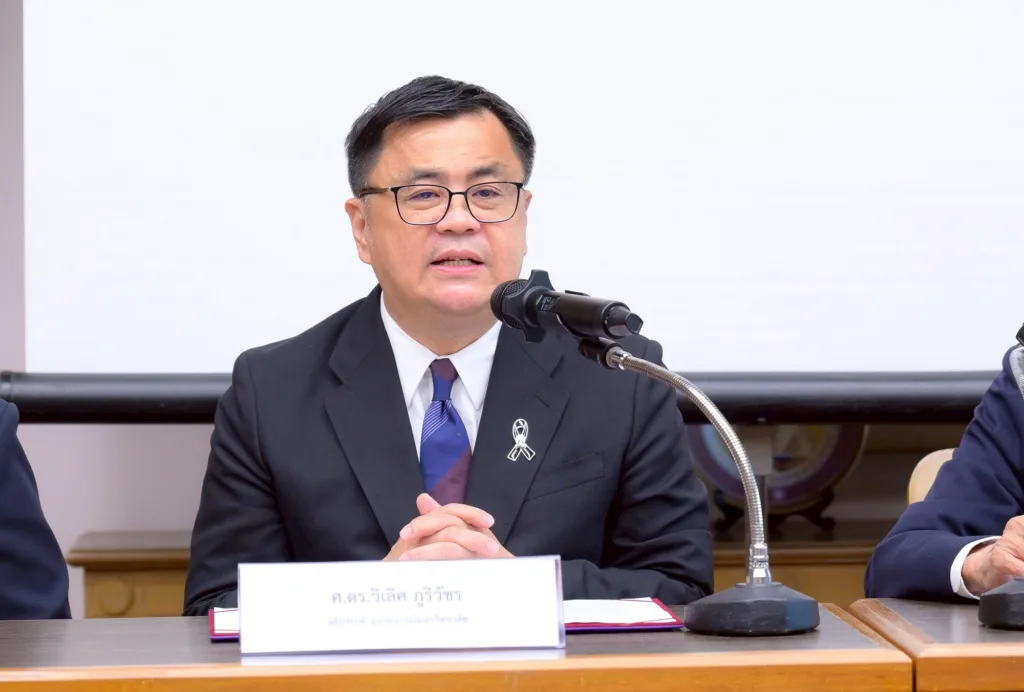
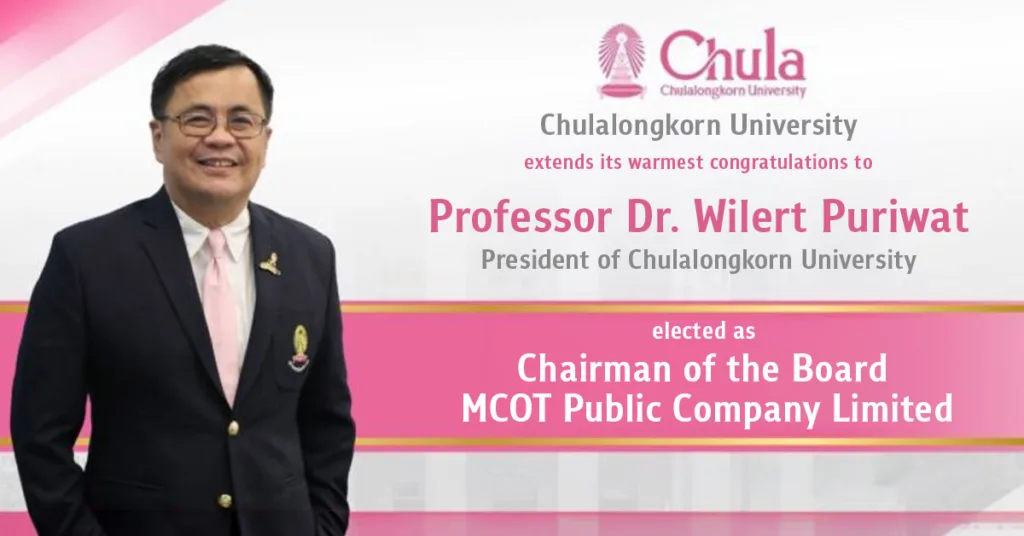
President, Chulalongkorn University
Prof. Dr. Wilert Puriwat highlighted the university’s vision of advancing research that not only generates new knowledge but can also be practically applied to create positive national impact. The university prioritizes research translation—moving innovations from the laboratory into real-world use across industry, services, and the public health system. He also expressed appreciation to the Thai Red Cross Society, faculty members, and researchers from the Faculty of Medicine for their contributions, noting that this project represents a significant step in transforming academic research into tangible societal benefits.
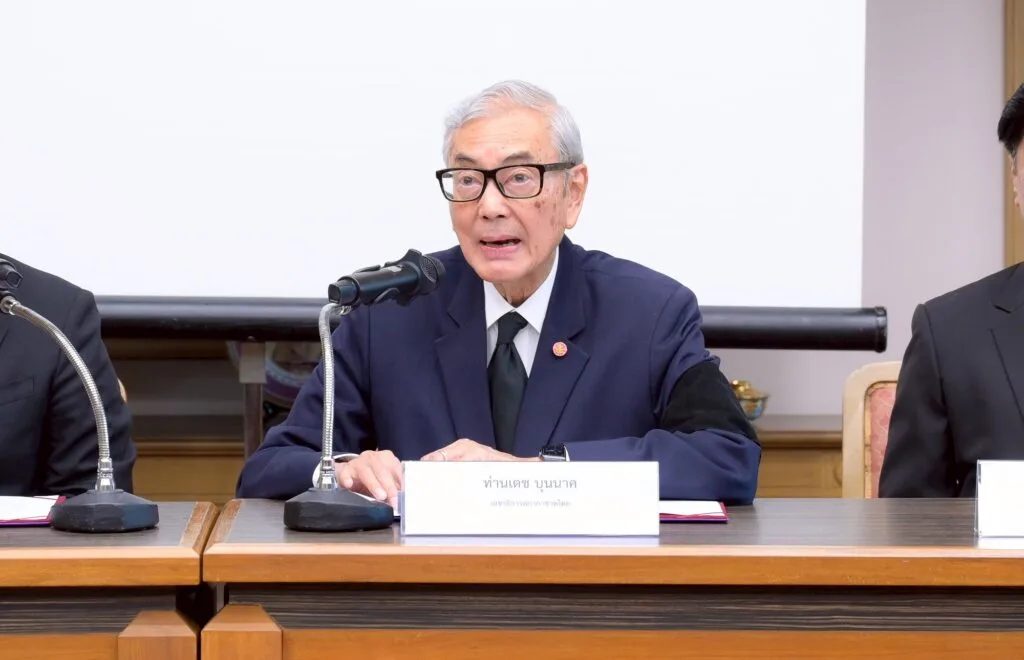
Secretary General, Thai Red Cross Society
Mr. Tej Bunnag discussed the direction and goals of applying medical knowledge for public benefit. The Thai Red Cross Society plays a key role in public health, including medical treatment, health promotion, medical services, and the development of high-quality biological products and sterile pharmaceuticals for patient care. The Queen Saovabha Memorial Institute has long been instrumental in producing essential biopharmaceuticals for immunization and disease treatment.
Currently, lung cancer is one of the leading causes of cancer-related deaths, and many patients still need effective and accessible treatments. It is therefore encouraging that the research team from Chulalongkorn University’s Faculty of Medicine has successfully developed SB4456, a monoclonal antibody biosimilar for lung cancer treatment. This achievement demonstrates the strong potential of Thai researchers. The collaboration is expected to strengthen national drug security and enhance the country’s capabilities in biopharmaceutical production.
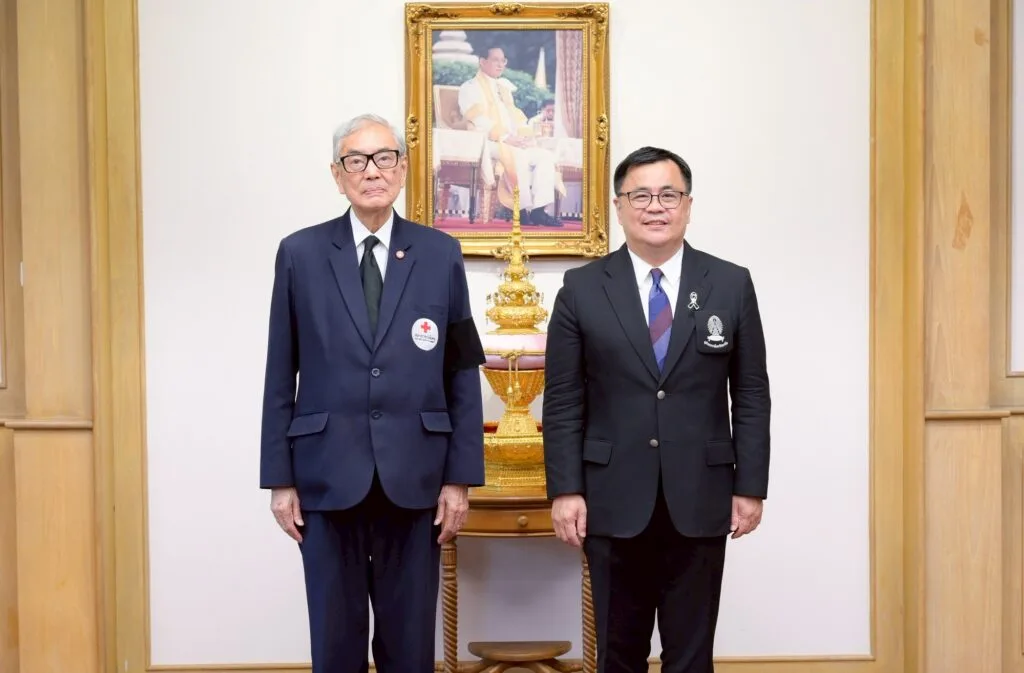
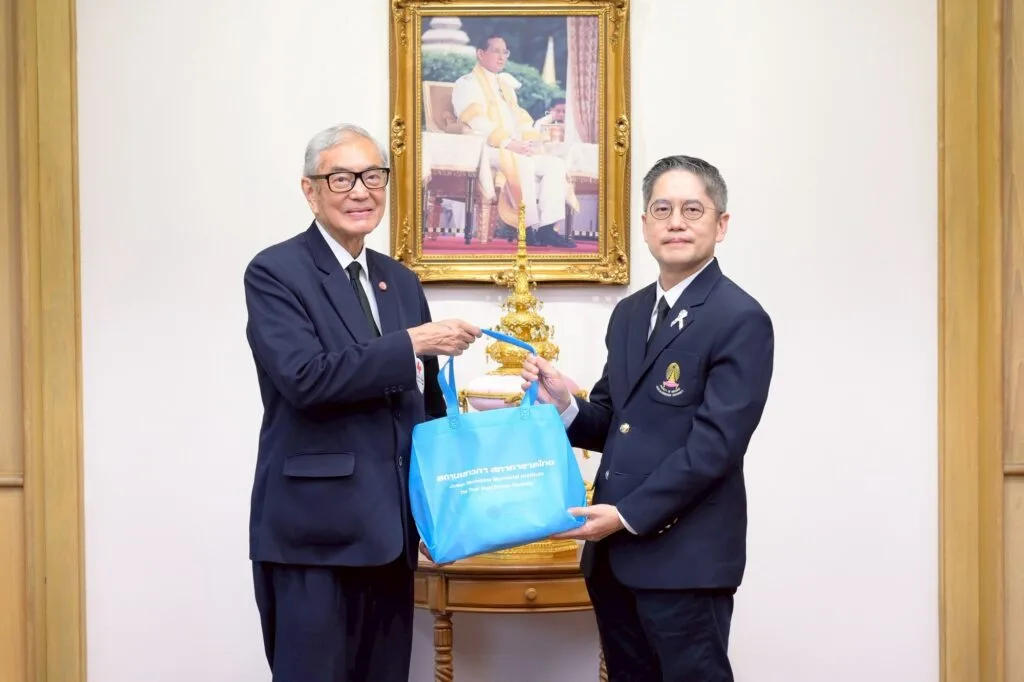
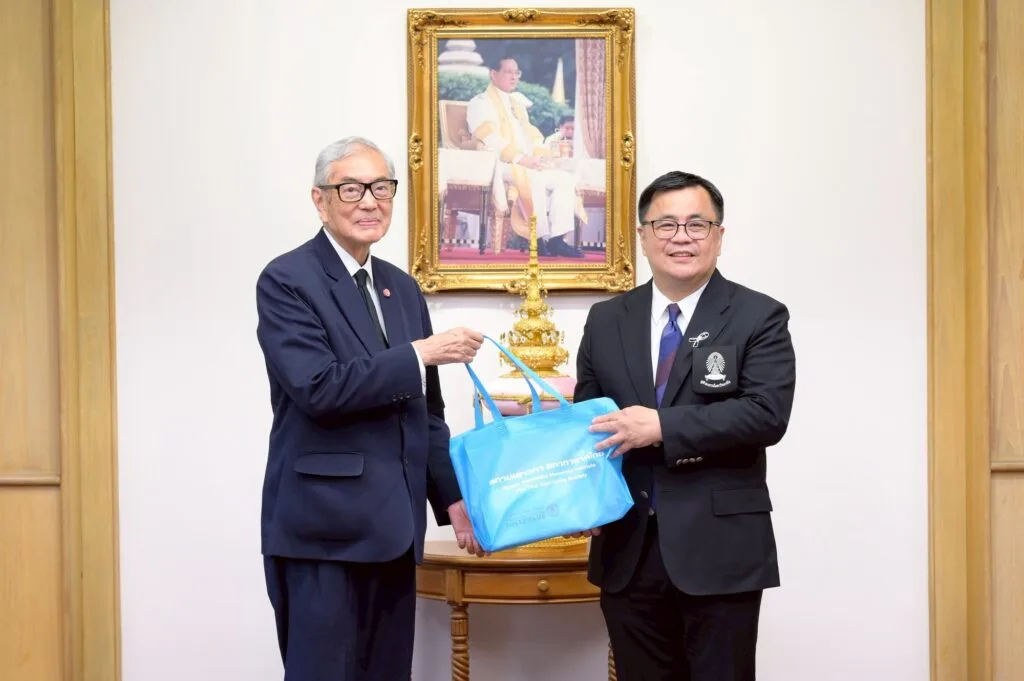
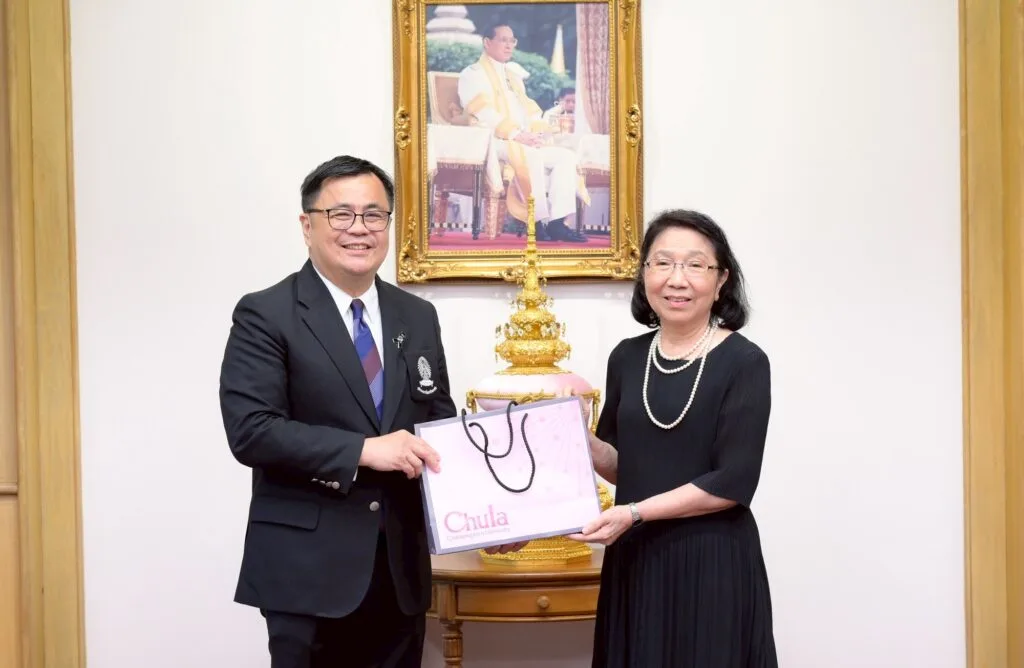
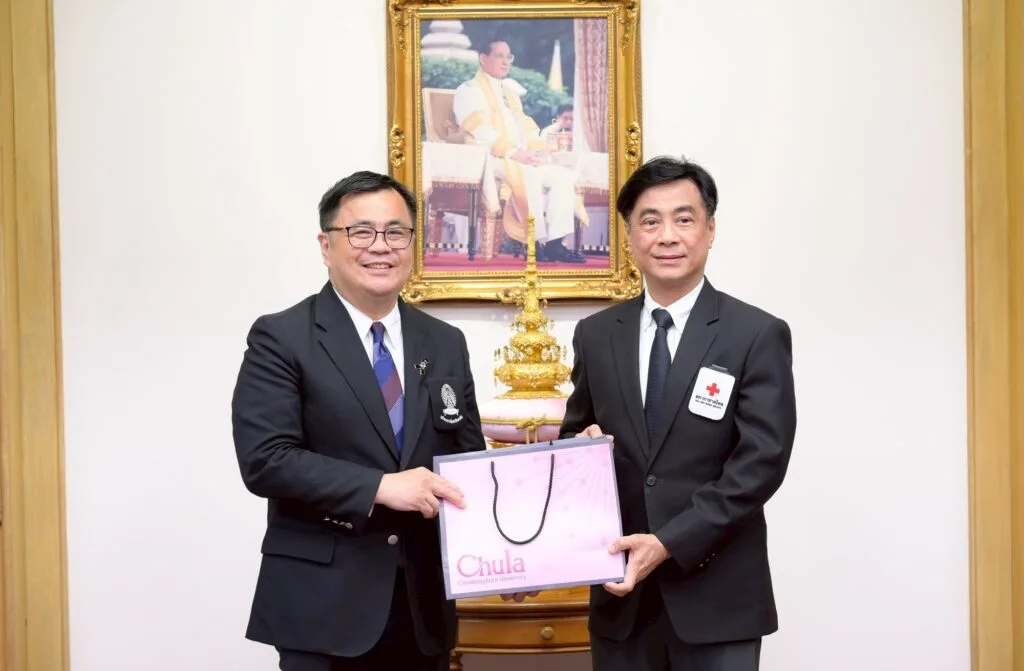
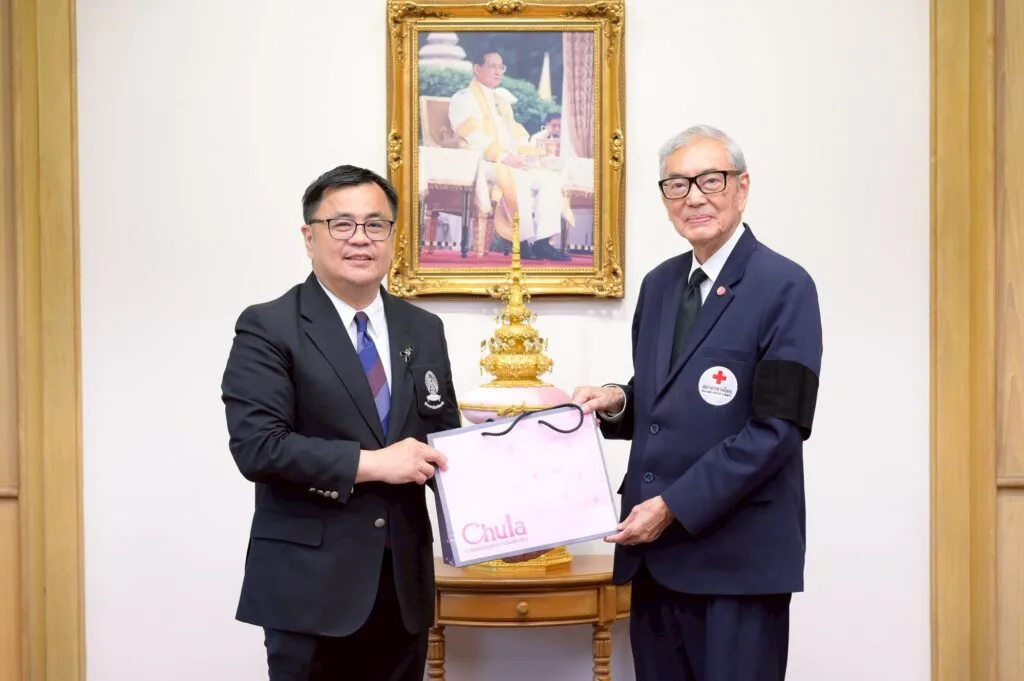
This partnership between Chulalongkorn University and the Thai Red Cross Society reflects a shared commitment to translating research knowledge into societal benefits while strengthening the country’s health innovation ecosystem. By connecting researchers, academic institutions, and public health organizations, the initiative aims to improve quality of life and reinforce Thailand’s public health system in the long term.