Chulalongkorn University Launches CUPTI—An Affordable and Accessible Prototype Tongue Pressure Instrument by Thai Researchers
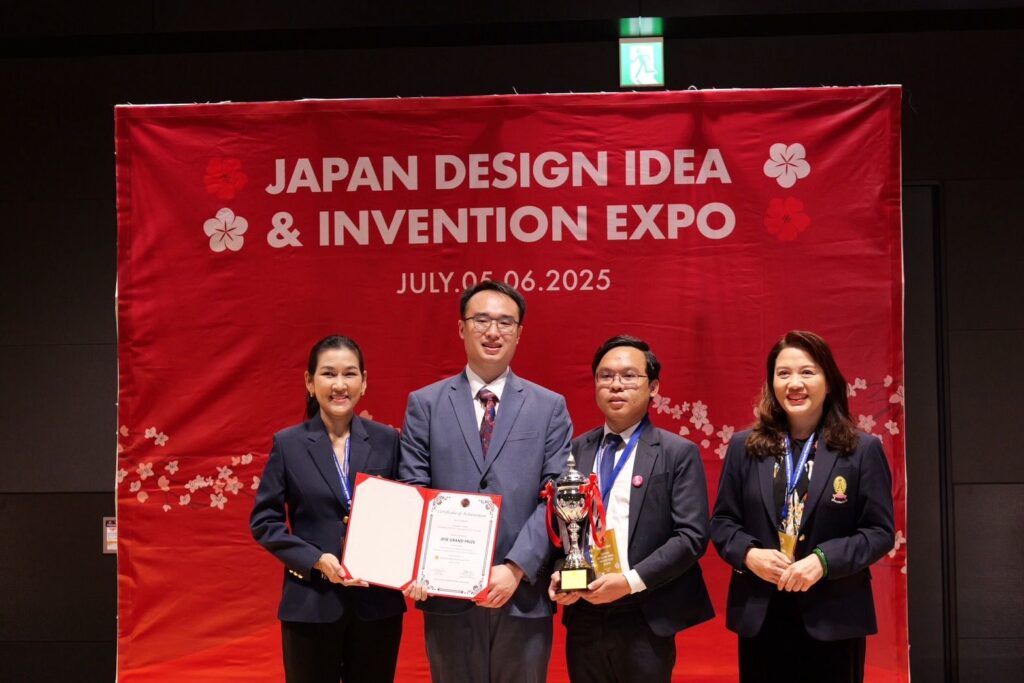
Chulalongkorn University has won the highest JDIE Grand Prize award for the most outstanding innovation with “CUPTI,” a low-cost tongue strength measuring device that is ten times less expensive than market alternatives. The innovation, a collaborative project between Dentistry and Engineering, aims to provide convenient access to treatment for patients with tongue weakness.
Although small and hidden inside the oral cavity, the “tongue” is one of the most vital organs in human life. It plays a crucial role in taste perception, verbal communication, and assists the digestive system. Moreover the tongue can serve as a clinical indicator of overall health, as its appearance and changes may reflect nutritional deficiencies or the presence of systemic diseases.
When tongue strength declines, it can significantly impair basic functions such as speaking, swallowing, and breathing. This condition is commonly observed in elderly people, stroke survivors, individuals with neurological disorders such as Parkinson’s disease, and those who have undergone tongue or jaw surgery. Therefore, maintaining tongue strength is extremely important for preserving functionality and quality of life.

Department of Oral and Maxillofacial Surgery, Faculty of Dentistry, Chulalongkorn University
Currently, “standard tongue strength measuring devices” used in clinical practice for assessing tongue performance and monitoring rehabilitation are costly and must be imported, limiting their accessibility and availability for patients who need them. In response to this gap, our team from Chulalongkorn University, led by Assist. Prof. Dr. Boosana Kaboosaya from the Department of Oral and Maxillofacial Surgery, Faculty of Dentistry, in collaboration with Dentistry graduate student MinThu, as well as Asst. Prof. Dr. Arporn Teeramongkonrasmee and Asst. Prof. Dr. Panuwat Janpugdee from the Department of Electrical Engineering, Faculty of Engineering, has developed Chulalongkorn University Prototype Tongue Pressure Instrument (CUPTI). This prototype aims to improve accessibility to tongue strength evaluation and rehabilitation, facilitating timely treatment planning for clinicians and better care delivery for patients.

The “tongue” is a uniquely structured muscle composed of multidirectional muscle fibers, which allow for intricate movements such as lifting, pressing, contracting, and rotating. These complex motions enable the tongue to perform multiple essential functions simultaneously.
Key functions include:
- Taste perception: Thousands of taste buds on the tongue enable us to detect sweet, sour, salty, bitter, and umami flavors, contributing significantly to the enjoyment of eating.
- Speech production: The tongue plays a critical role in articulating consonant sounds and modulating speech rhythm.. Without it, clear verbal communication would be difficult or impossible.
- Swallowing: During swallowing, the tongue helps form a food bolus and propels it toward the oropharynx, initiating the process of esophagus transfer.
- Oral hygiene maintenance: Tongue movements help stimulate saliva secretion, distribute it throughout the oral cavity, and sweep away food debris, thereby supporting oral health.
What Is Tongue Strength?
Assist. Prof. Dr. Boosana Kaboosaya from the Department of Surgery, Faculty of Dentistry, Chulalongkorn University, explained that “tongue strength” refers to the ability of tongue muscles to generate force during activities such as pushing food, swallowing, or pressing against the palate. If tongue strength decreases, there may not be enough strength to propel food effectively toward the esophagus, increasing the risk of choking. Additionally, reduced tongue strength can cause unclear speech or pronunciation problems. In healthy individuals, tongue strength typically ranges from 43 to 78 kilopascals (kPa). In Asian populations, the average value is around 56 kPa, whereas individuals with tongue weakness exhibit values below 30 kPa.
“Tongue strengthnaturally declines with age, which isa common physiological process. However, it can also occur as a result of various medical conditions. In addition to elderly individuals, tongue weakness is commonly seen in patients with neurological disorders such as Parkinson’s disease, those who have experienced paralysis, or individual who have undergone tongue or jaw surgery. This weakness can significantly impact the patient’s quality of life, particularly by interfering with the ability to eat.” said Asst. Prof. Dr. Boosana.
How to Boost Tongue Strength
Asst. Prof. Dr. Boosana added that tongue strength can be increased through tongue exercises, which have similar forms to regular physical exercises, such as pressing the tip of the tongue against the palate, pushing the tongue out of the mouth, or licking around the lips. Research shows that performing tongue exercises in various positions can promote tongue strength and movement. However, several studies comparing tongue exercises using positional techniques with those using tongue strength training devices show that using devices results in greater improvement in tongue strength and provides psychological benefits, as patients can observe clear and concrete changes in the tongue strength values displayed on the device.
Beginning of the Development of CUPTI
Drawing from her clinical experience with oral and maxillofacial surgery patients, Asst. Prof. Dr. Boosana observed that many patients struggle with swallowing difficulties and speech impairment, both of which are closely tied to reduced tongue strength. As a result, effective treatment must include tongue-strengthening rehabilitation. However, the limited availability of “standard tongue pressure measuring devices” which are essential for evaluation and enhancing tongue strength, presents a major obstacle. These devices are not portable and cannot be loaned to patients for at-home use, restricting ongoing rehabilitation efforts.
“The current price of standard tongue pressure measuring devices is in the hundreds of thousands of baht, and need to be imported with procurement involving a complicated and time-consuming process, making them unaffordable for most people. Meanwhile, the number of patients with tongue weakness continues to grow, and many are left undiagnosed or untreated due to lack of access to proper tools. If we can develop a tongue pressure device that is affordable and locally produced, it could be made widely available in every home, clinic or elderly care center, much like blood pressure monitors today. This would significantly enhance access to treatment, support continuous rehabilitation, and ultimately improve patients’ quality of life” sheemphasized..
Dentistry and Engineering Collaboration on Thai Innovation
Asst. Prof. Dr. Panuwat Janpugdee from the Department of Electrical Engineering, Faculty of Engineering, Chulalongkorn University, stated that the biomedical engineering research group has continuously designed and developed various medical devices, such as electrocardiograms and blood glucose meters. Therefore, when a researcher from the Faculty of Dentistry proposed the idea of developing a tongue pressure measurement device, the engineering team accepted the challenge to collaborate on creating a device that functions like the “commercial tongue pressure measurement devices” currently used in the dental clinic at the Faculty of Dentistry. The goal is to design an instrument that can be manufactured domestically, focusing on three key components:
- Accuracy – The device must be able to measure tongue strength with results comparable to standard commercial devices, ensuring reliable outcomes for diagnosis and treatment monitoring.
- Low cost – Reduce production and importation expenses to increase access for dental hospitals and clinics nationwide.
- Ease of use – Patients or users should be able to use it easily.

Department of Electrical Engineering, Faculty of Engineering, Chulalongkorn University
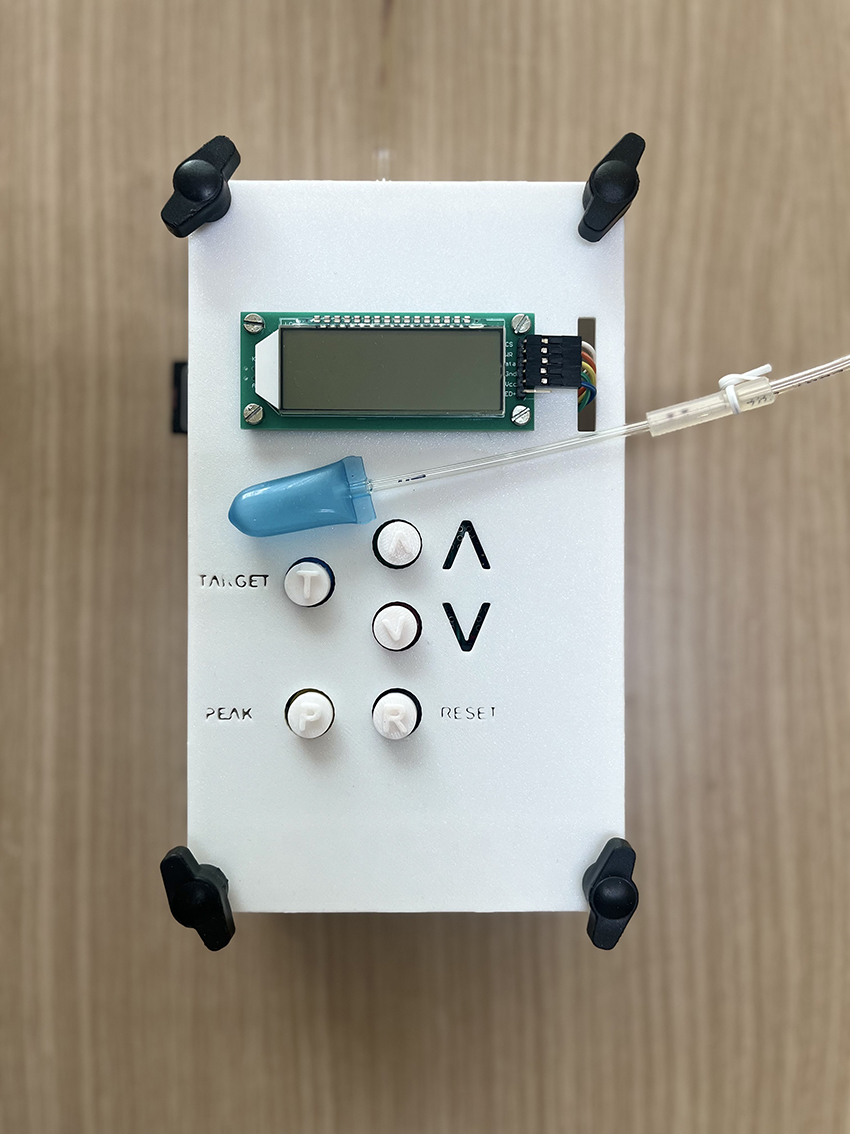
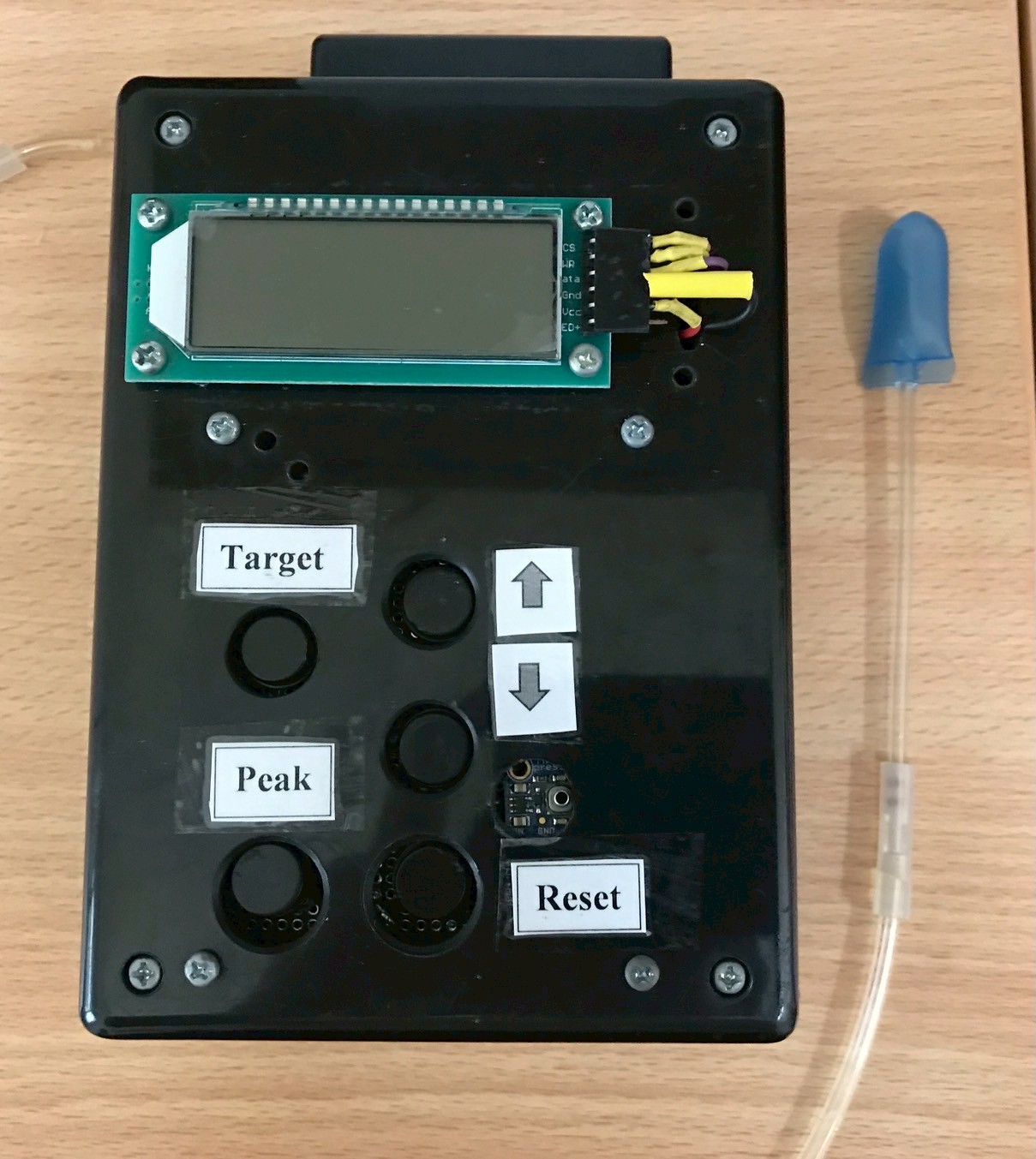
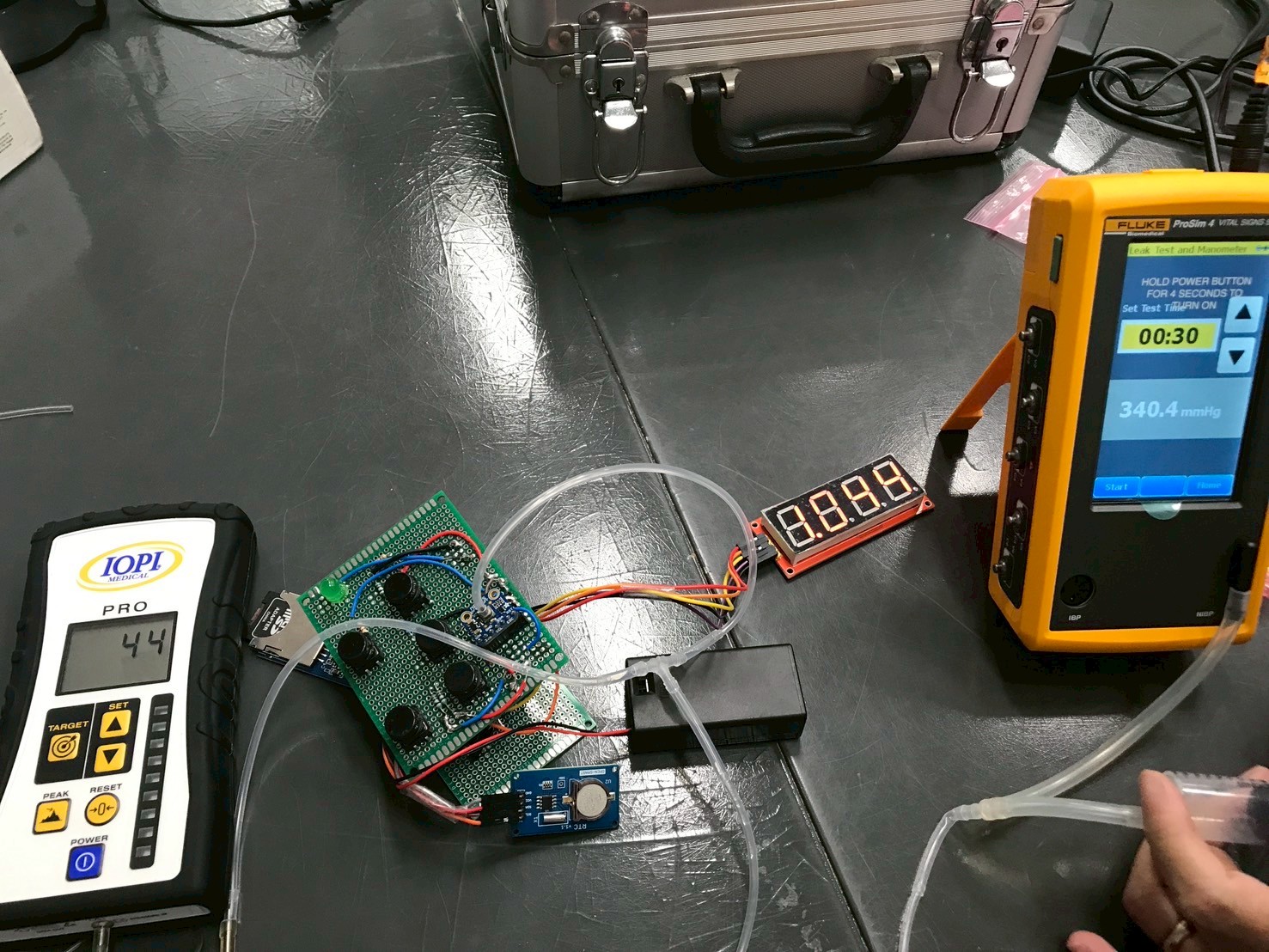
“The engineering team designed the sensor system and control circuit, while the dental specialists provided practical insights for patient use, such as the typical range of tongue pressure to be measured, the recommended duration for tongue endurance exercises, and the safety standards required for intraoral devices. This exchange of knowledge between the two fields led to the development of a low-cost prototype tongue pressure measuring device. CUPTI is a prototype that is truly functional,” said Asst. Prof. Dr. Panuwat.
The Most Exceptional Innovation
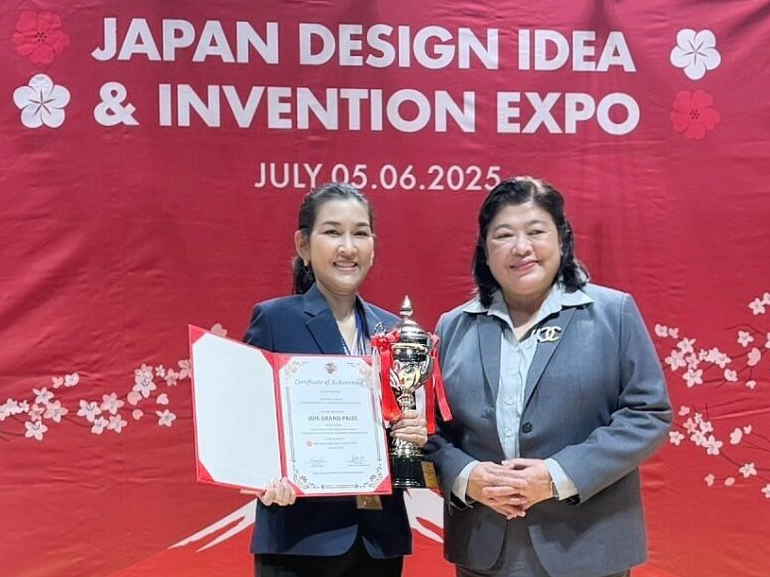
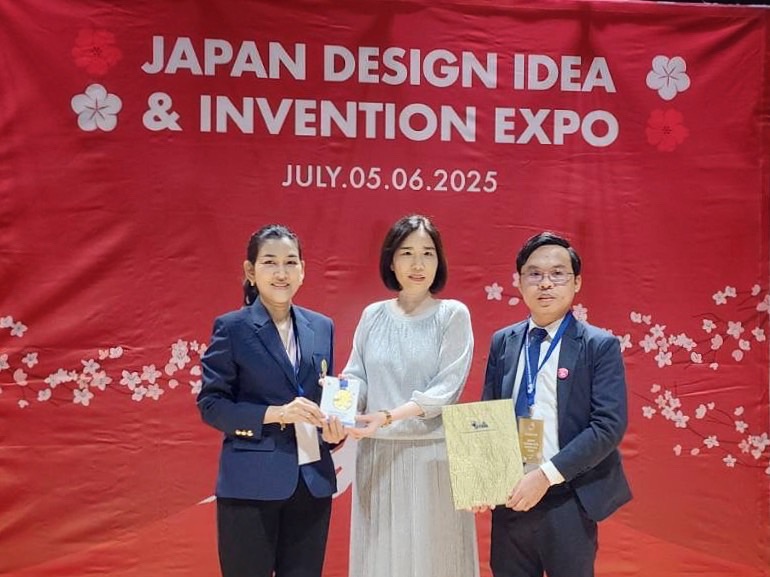
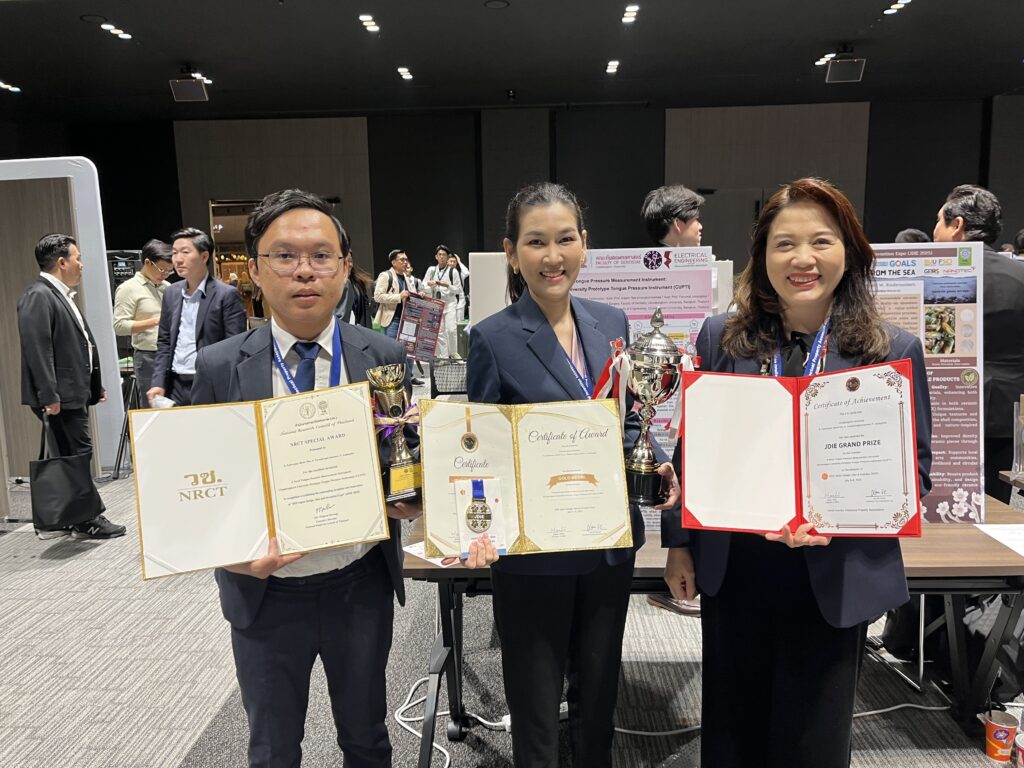
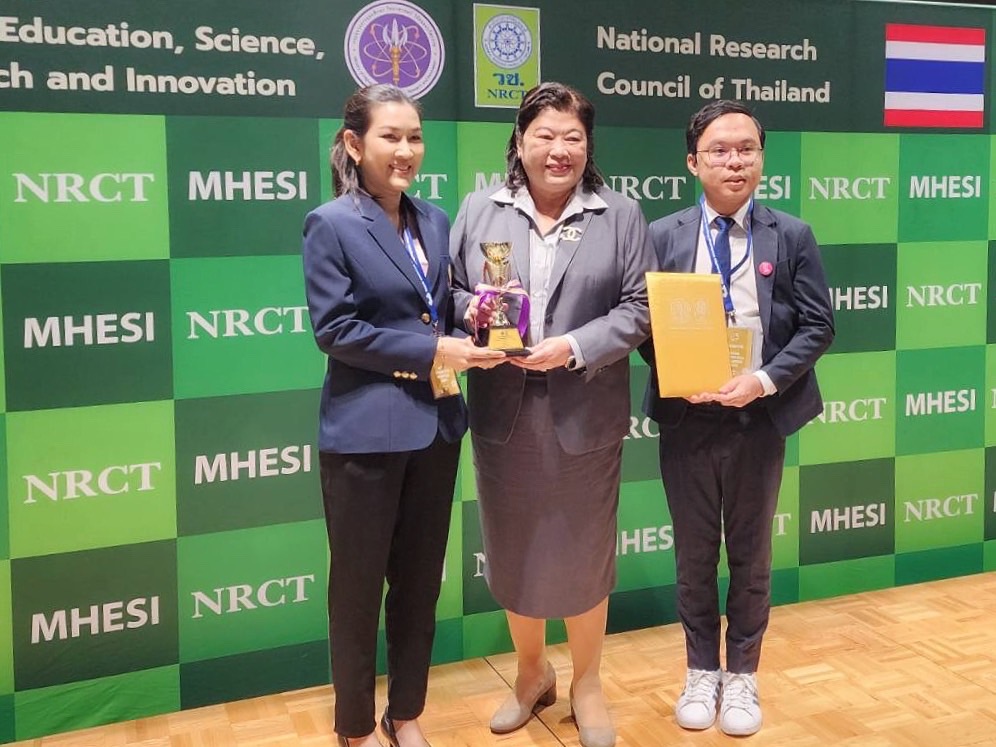
The Chulalongkorn University Prototype Tongue Pressure Instrument (CUPTI) received top international recognition, earning the Gold Medal from the World Invention Intellectual Property Associations (WIIPA) and the NRCT Special Award from the National Research Council of Thailand at 2025 Japan Design, Idea and Invention Expo” (JDIE 2025) in Tokyo, Japan. Additionally, CUPTI was honored with the JDIE Grand Prize from World Invention Intellectual Property Associations (WIIPA) as the Most Exceptional Innovation of the event.
Asst. Prof. Dr. Boosana and Asst. Prof. Dr. Panuwat stated that receiving the award for the most outstanding innovation brought immerse pride to the development team from Chulalongkorn University. These prestigious awards serve as a powerful encouragement to continue advancing work. While tongue weakness may not be immediately visible, it remains a hidden yet impactful issue. Though not life-threatening, it significantly affects quality of life, particularly in speech, swallowing, and overall function. For this reason, the CUPTI team is committed to pushing the innovation forward toward commercial production, with the goal of releasing the affordable, accessible device to the public within 5 years. If successful, CUPTI could play a vital role in improving rehabilitation outcomes for patients with tongue-related disorders.

The development of CUPTI marks not only a significant leap in medical innovation but also a model of interdisciplinary collaboration, merging expertise from dentistry and engineering to produce a device that truly improves lives.
Though small in size, the tongue plays a vital role in human function. CUPTI’s ability to measure and train tongue strength demonstrates how a seemingly modest innovation can bring about profound changes for patients and contribute meaningfully to Thai society.
For more information about CUPTI tongue-related health issues, please contact: Boosana.k@chula.ac.th