“Mahesak–Sak Siamin Carbon Sequestration Forest at Chula Saraburi” A Model for Green Space Restoration, Global Warming Mitigation, and Carbon Neutrality
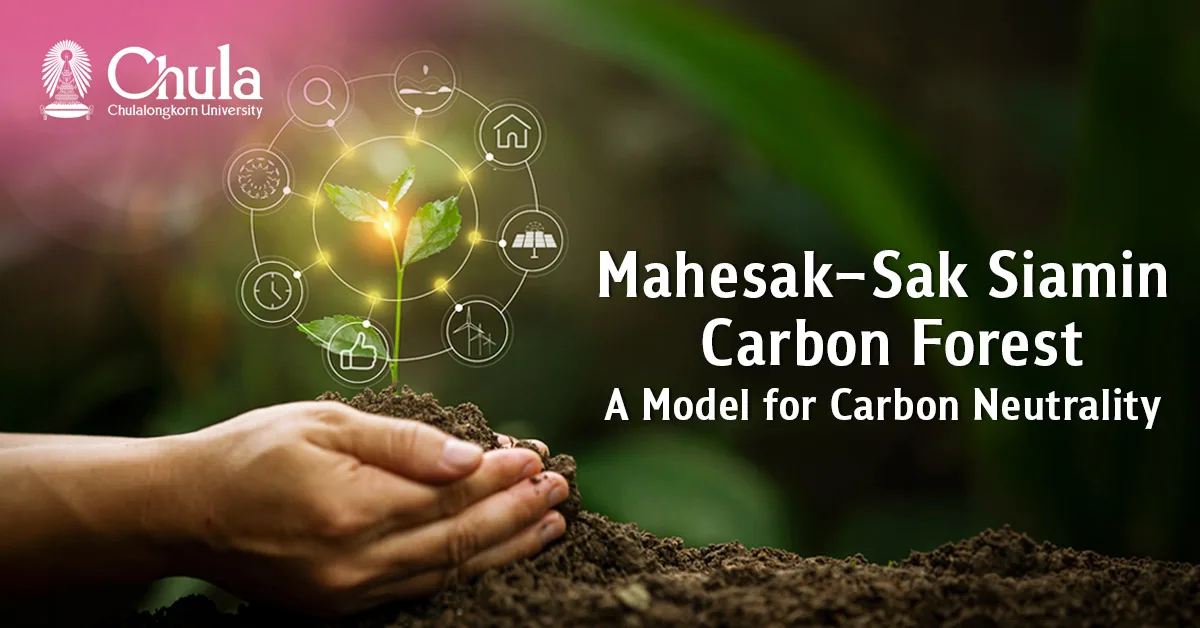
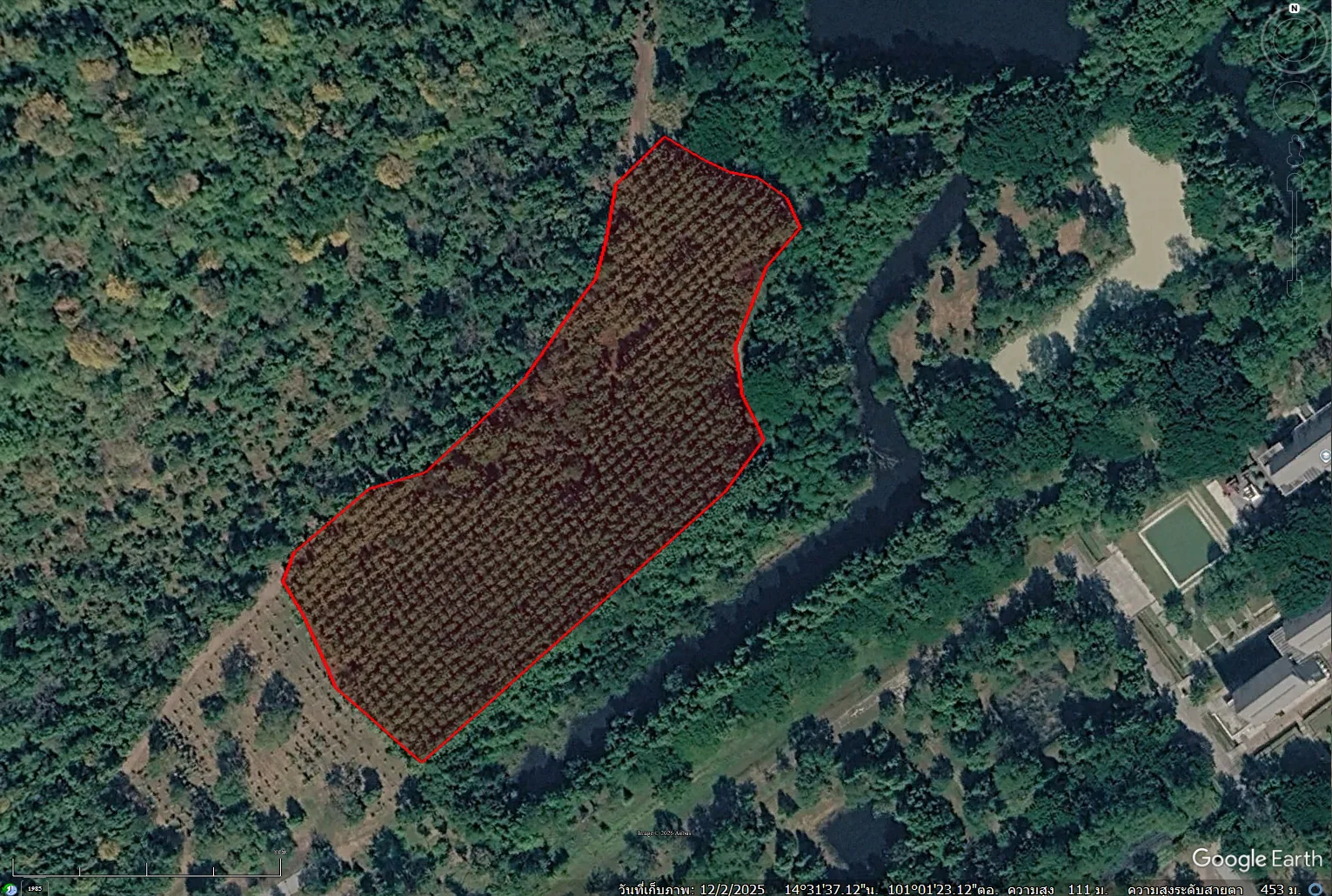
Once a foothill area degraded by agricultural activities, the 11-rai site at Chulalongkorn University’s Center for Social Engagement in Saraburi is now a thriving forest of more than 1,100 teak trees. The forest serves as a carbon sink, helps restore the ecosystem, and provides a natural classroom where Chula students, school children, researchers, and members of the public can learn about greenhouse gas reduction through hands-on experience.
Highlights
- Building on a Nationwide Initiative to Create Chula’s Carbon Forest
- Teak Trees of Symbolic, Ecological, and Economic Value
- The Hard Part Is Not Planting Trees, but Nurturing Them into a Forest
- 316.707 Metric Tons: Measurable Proof of Green Space Restoration
- Bringing Carbon Education to Life in Nature’s Classroom
- Advancing Carbon Credits and Carbon-Neutral Schools
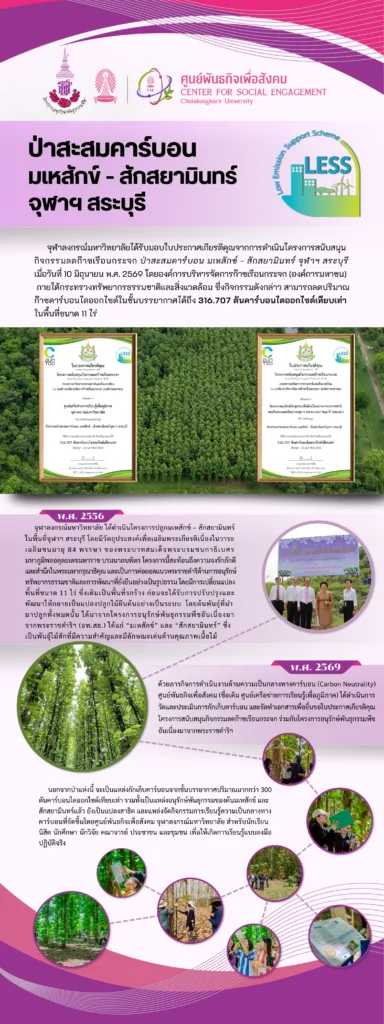
After more than a decade of continuous care, the “Mahesak–Sak Siamin Carbon Sequestration Forest at Chula Saraburi” project has sequestered a total of 316.707 metric tons of carbon dioxide equivalent. On June 10, 2026, it received a Letter of Recognition under the Low Emission Support Scheme (LESS) from the Thailand Greenhouse Gas Management Organization (Public Organization).
Building on a Nationwide Initiative to Create Chula’s Carbon Forest
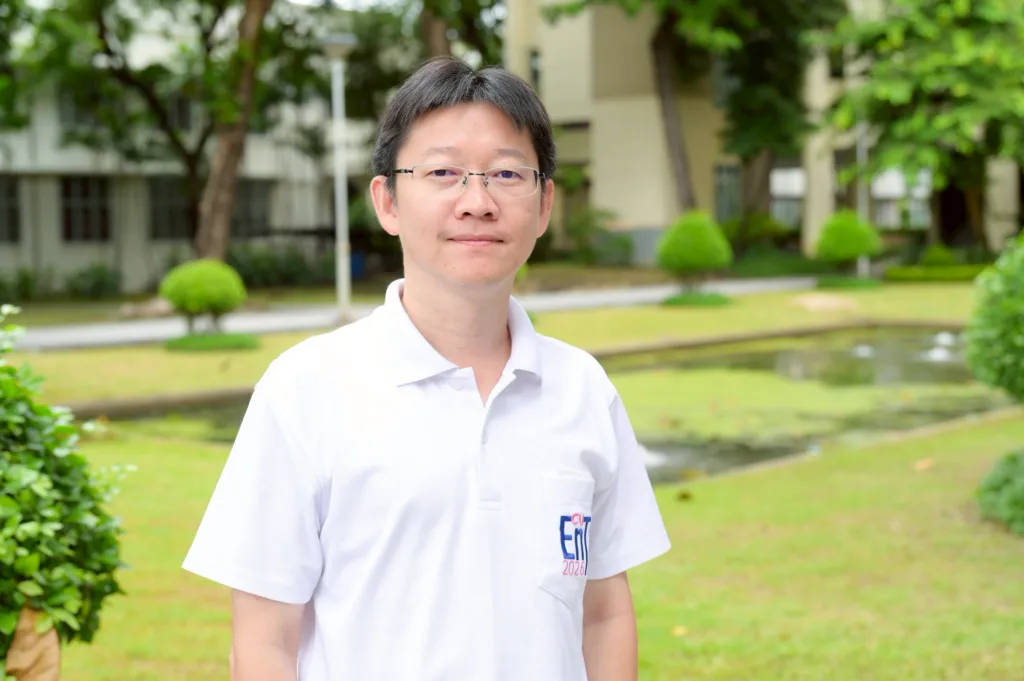
Deputy Director , Center for Social Engagement and
a lecturer in the Department of Biology, Faculty of Science, Chulalongkorn University
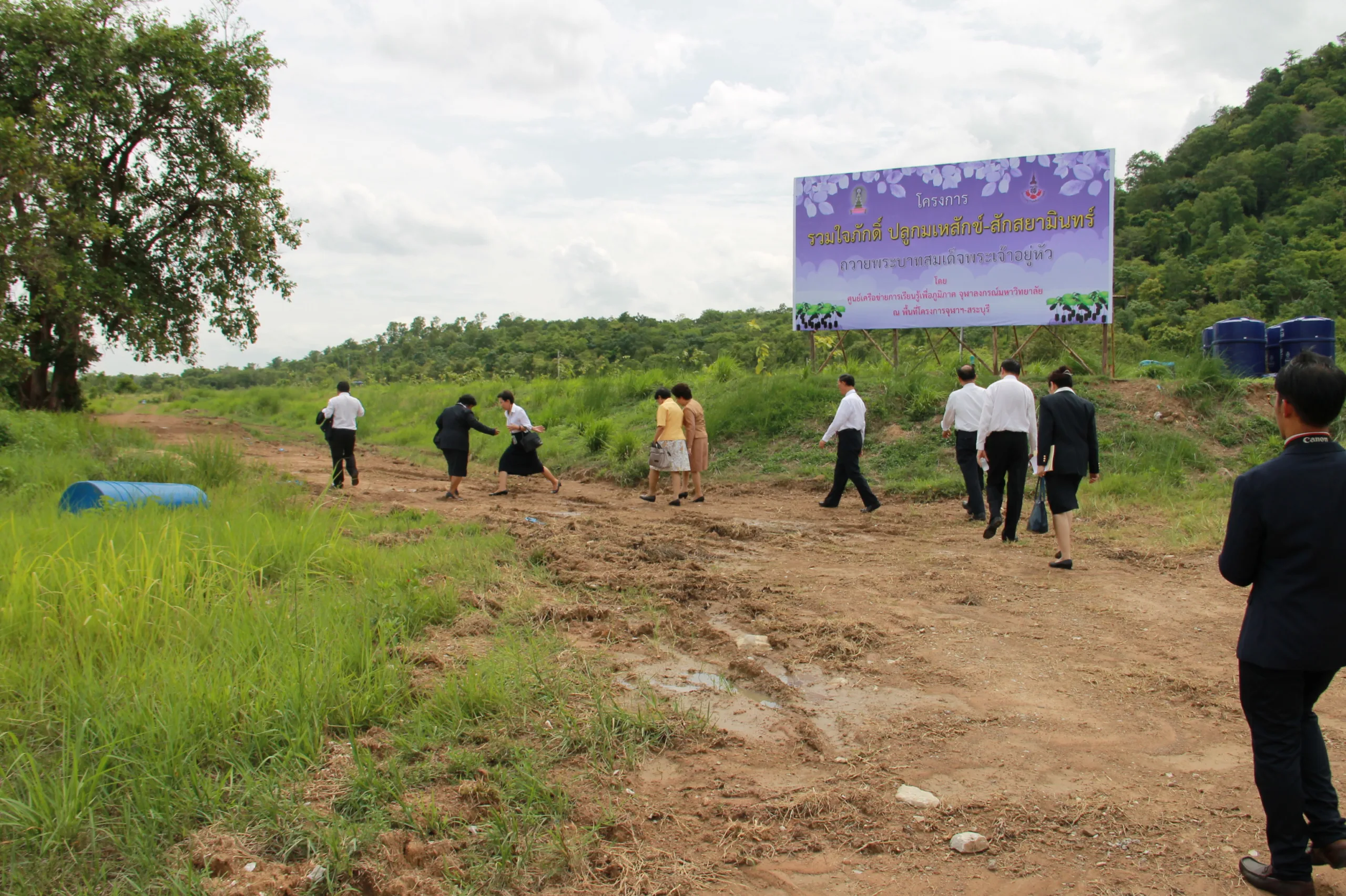
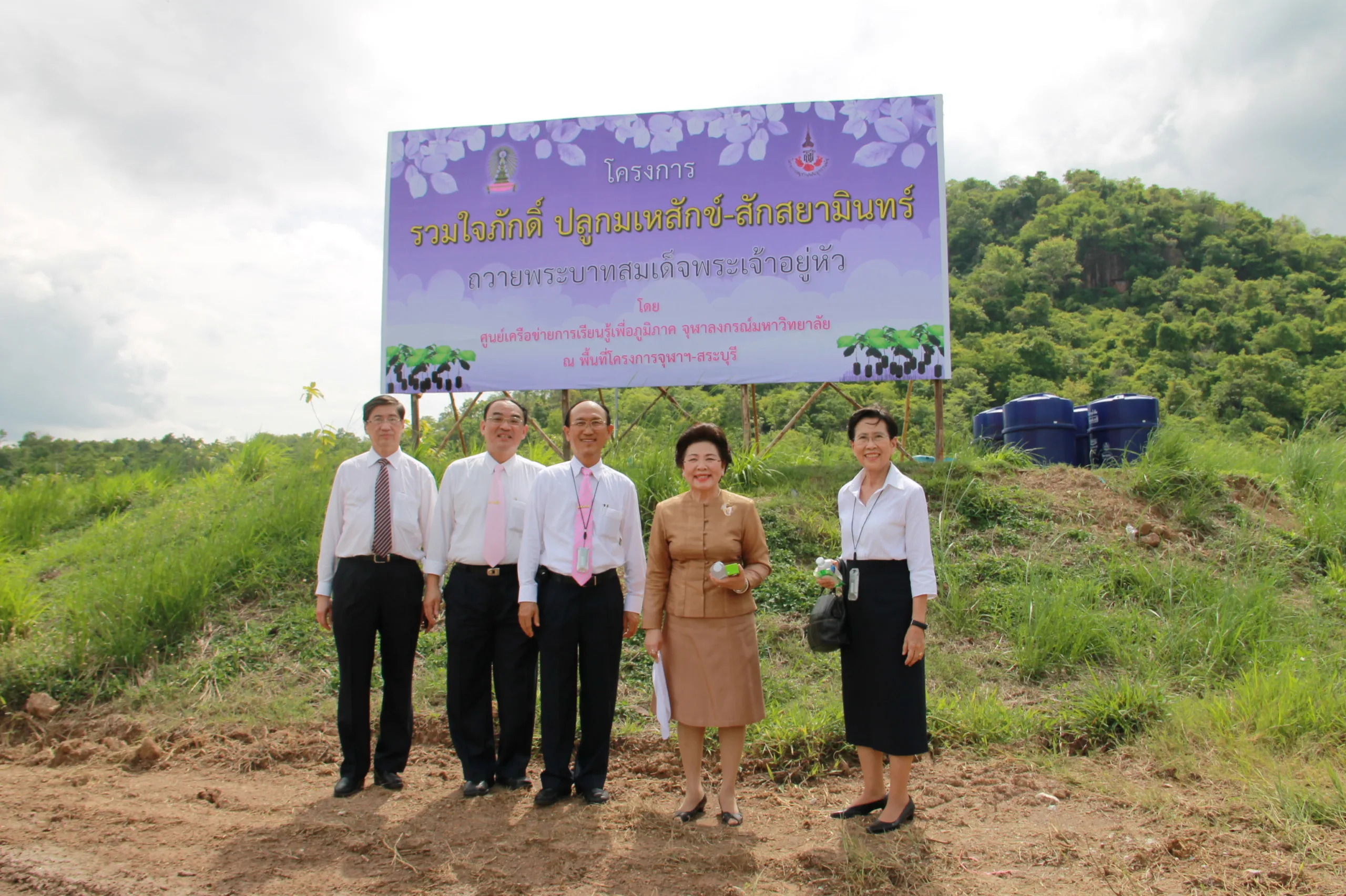
Associate Professor Dr. Pongchai Damrongrojwattana, Deputy Director of the Center for Social Engagement and a lecturer in the Department of Biology, Faculty of Science, Chulalongkorn University, explained that the carbon forest at the Center for Social Engagement, Chula Saraburi, began more than a decade ago when the university joined the “Ruamjai Phak: Planting Mahesak–Sak Siamin Teak Trees in Tribute to His Majesty the King” project. The project honored His Majesty King Bhumibol Adulyadej the Great on the occasion of His Majesty’s 84th birthday. The Plant Genetic Conservation Project under the Royal Initiative of Her Royal Highness Princess Maha Chakri Sirindhorn’s goal was to plant a total of 8.4 million trees nationwide between 2011 and 2016.
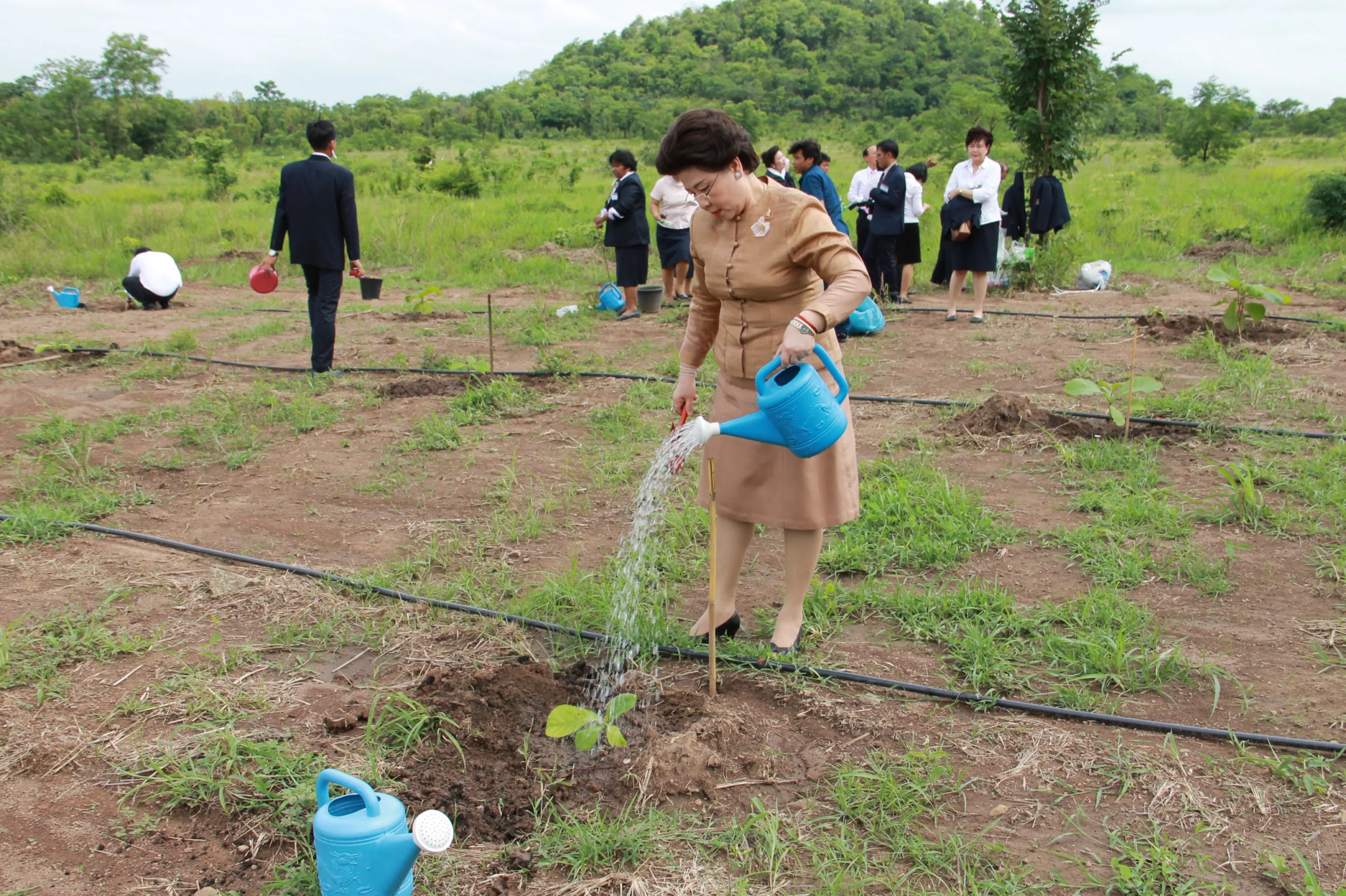
“Chula joined the project by planting 1,100 Mahesak and Sak Siamin teak trees at the Center for Social Engagement, Chula Saraburi, on June 26, 2013. We planted the trees not only to expand green space but also to carry forward the royal initiative on natural resource conservation, contribute to efforts to address climate change, and provide a space where people can learn together about reducing greenhouse gas emissions.”– Associate Professor Dr. Pongchai
Teak Trees of Symbolic, Ecological, and Economic Value
Mahesak and Sak Siamin are varieties of the same teak species, scientifically known as Tectona grandis L.f., but they each have different origins and historical significance.
Mahesak is a giant teak tree in Uttaradit Province believed to be approximately 1,500 years old. Sak Siamin, meanwhile, is descended from a teak tree planted at the command of King Chulalongkorn during his royal visit to the northern provinces in 1901. The saplings planted at Chula Saraburi were propagated through tissue culture, making them strong and ensuring well-defined genetic characteristics.
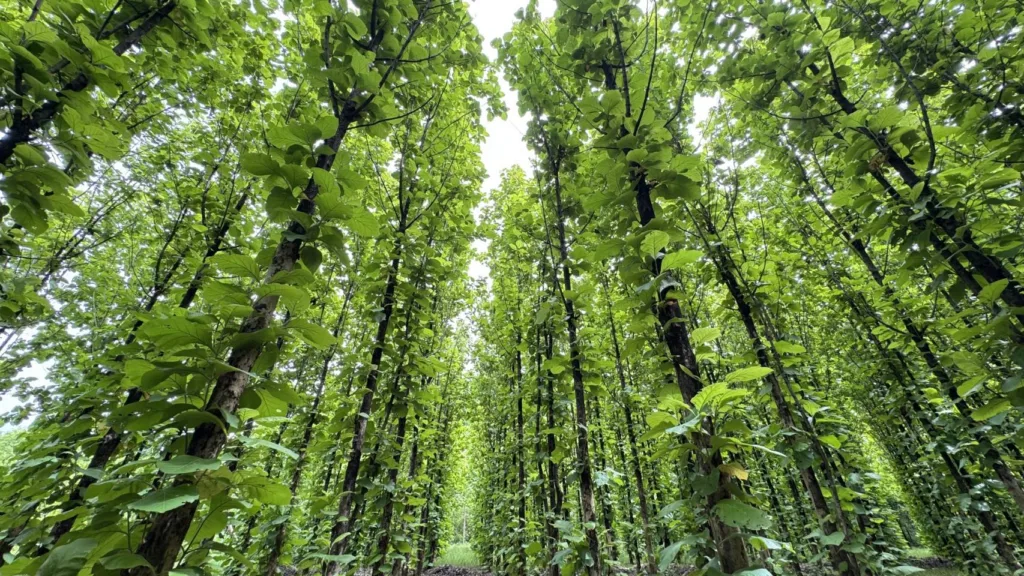
Ecologically, teak trees grow rapidly during their early years and therefore absorb carbon dioxide efficiently. As they mature, their wood becomes denser, allowing them to store increasing amounts of carbon in their biomass. The forest also provides habitat and feeding grounds for birds, insects, and various other animals, helping restore the surrounding ecosystem.
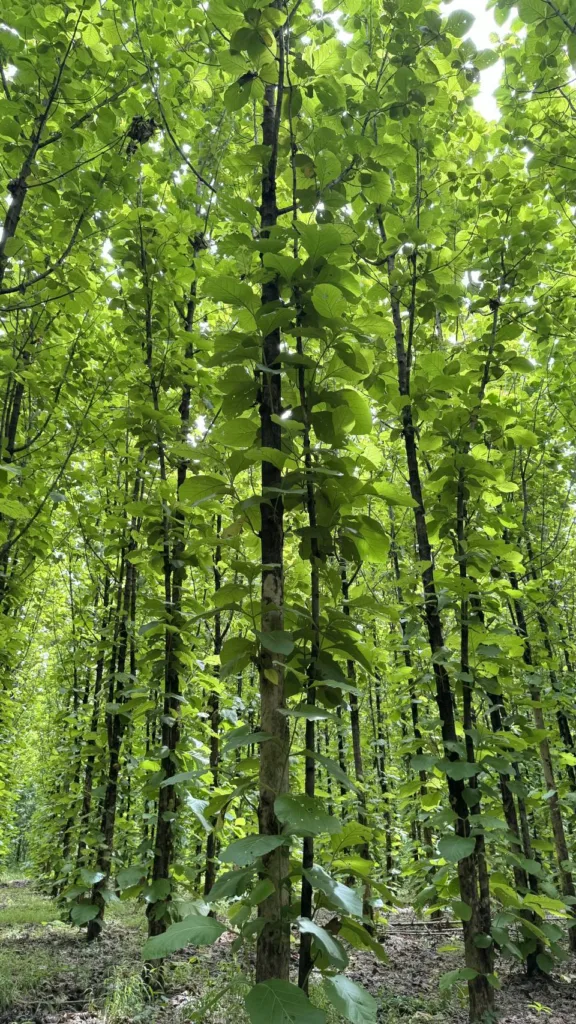
“Teak has long been an economically valuable timber and an important natural resource for Thailand. However, the country’s teak forests have steadily declined because of logging concessions and forest encroachment,” Associate Professor Dr. Pongchai said. “Planting Mahesak and Sak Siamin teak trees therefore holds significance on many levels—from demonstrating loyalty and conserving teak genetic resources to storing carbon, protecting the ecosystem, and creating long-term economic value.”
The Hard Part Is Not Planting Trees, but Nurturing Them into a Forest
Behind the project’s success are careful planning and continuous site management—from preparing the saplings and designing the planting layout with four-meter spacing between trees to installing a drip irrigation system during the first two years and providing regular watering for the first five years. These measures helped the teak trees become established and survive the dry seasons.
Staff from Chulalongkorn University’s Center for Social Engagement regularly cut the grass to reduce competition from weeds, applied organic fertilizer made from agricultural waste, and replaced trees that failed to thrive during the first three years. They also consistently monitored and recorded the trees’ growth.
The monitoring data are used not only for forest management but also to build a university research database covering ecology, forestry, environmental studies, and natural resource management.
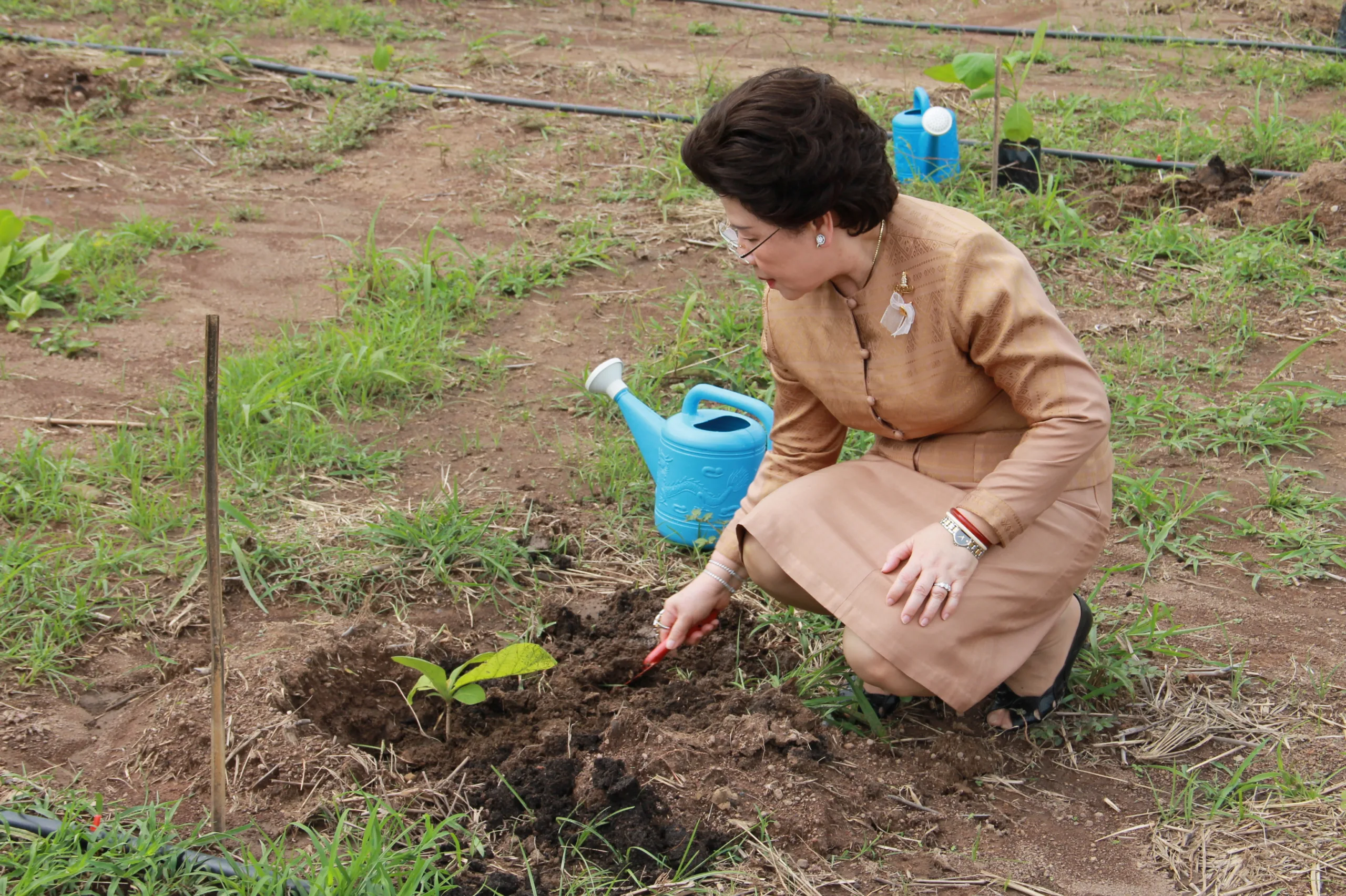
“Planting teak trees alone is not enough. What matters is caring for them after planting, monitoring their survival rates, and measuring their long-term growth. Carbon forest projects must be planned over several decades—it is not simply a matter of planting trees and walking away.”– Associate Professor Dr. Pongchai
Key challenges include managing water supplies during the dry season, preventing forest fires, and allocating sufficient personnel and funding for continuous monitoring. These factors ultimately determine whether a tree-planting site can develop into a forest that effectively sequesters carbon.
316.707 Metric Tons: Measurable Proof of Green Space Restoration
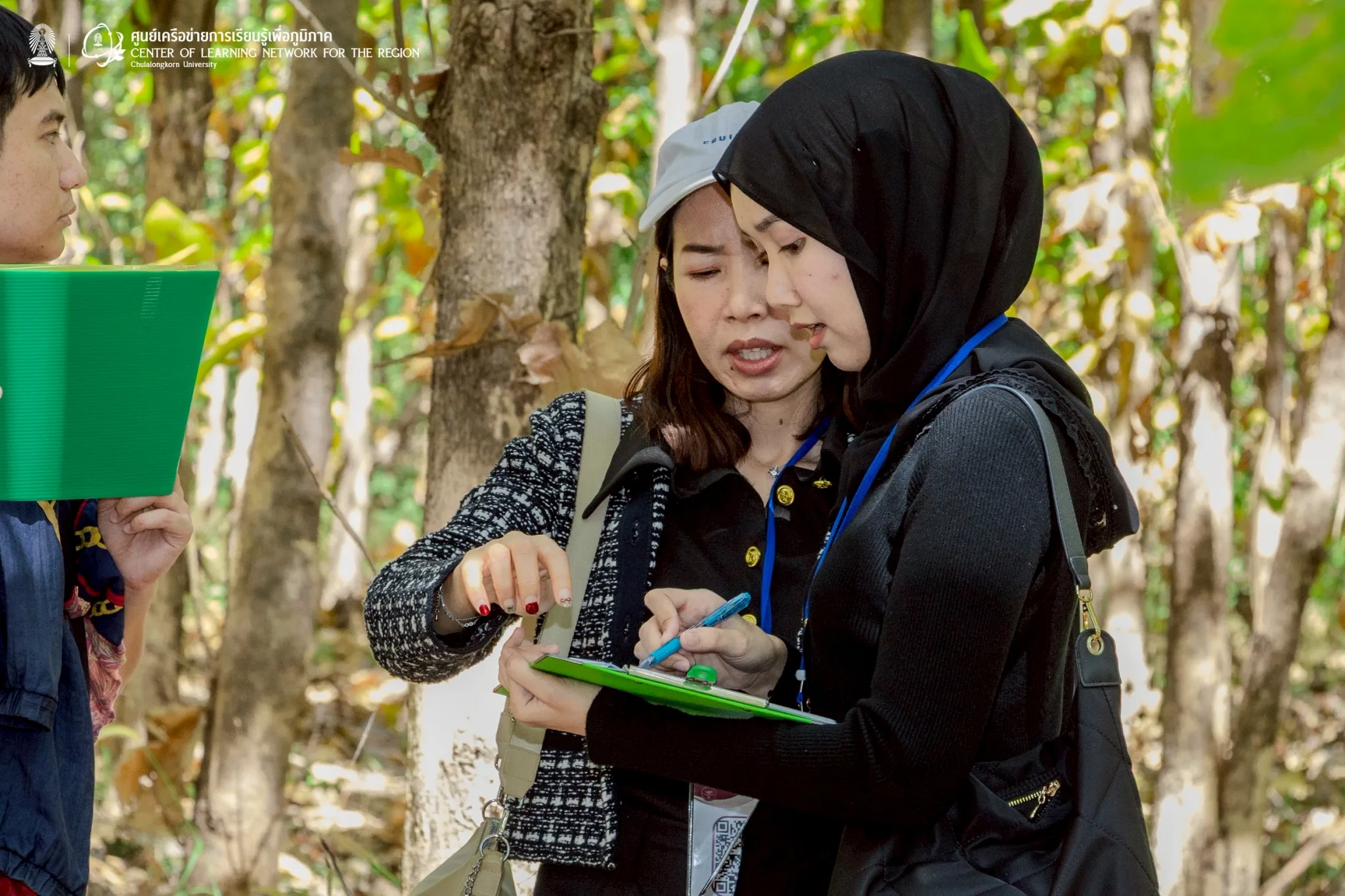
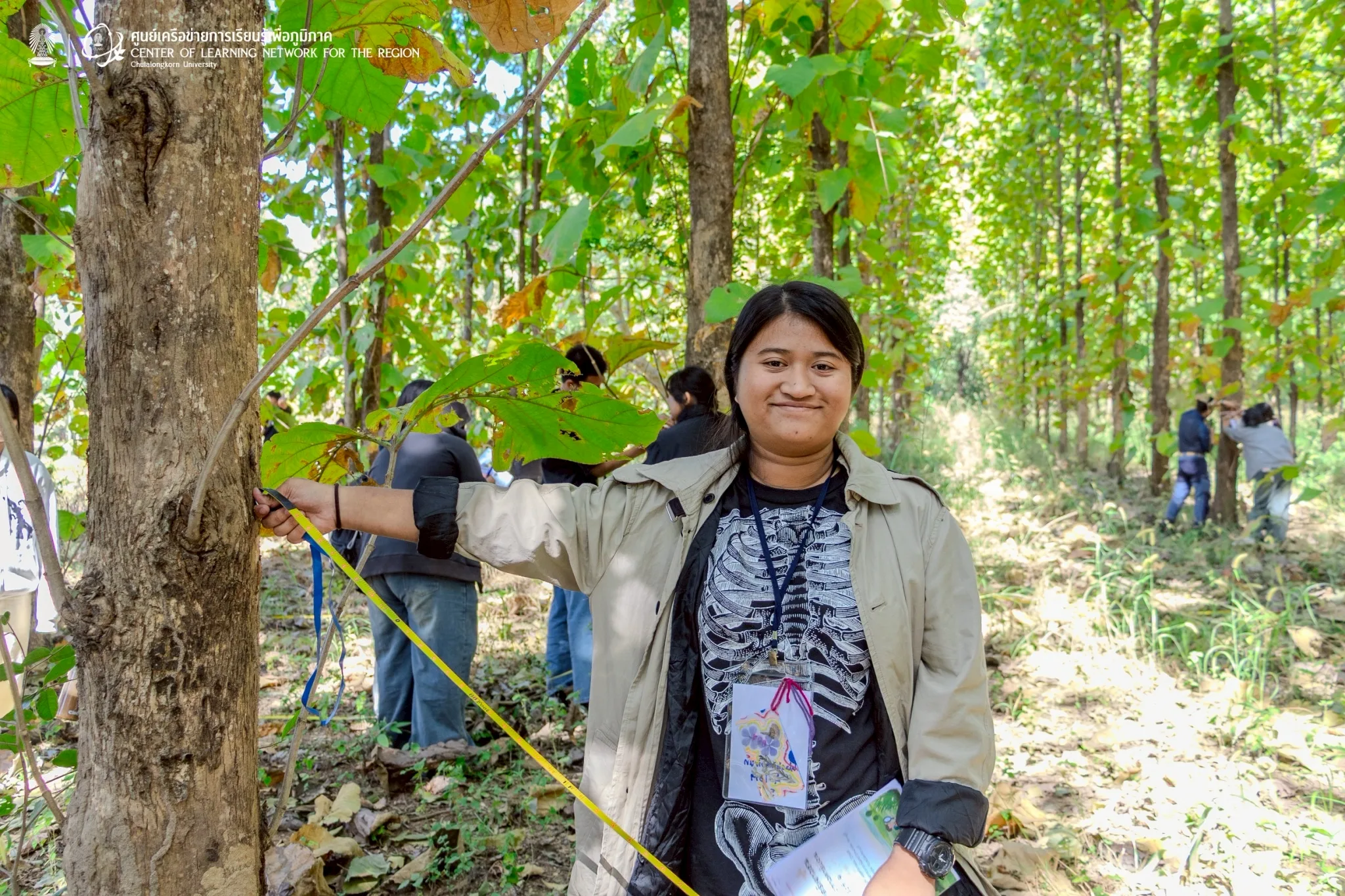
The amount of greenhouse gases sequestered by this forest plot was assessed according to the criteria of the Low Emission Support Scheme (LESS). Staff measured the diameter of every tree trunk at 1.3 meters above ground, as well as the height of each tree in the plot. The data were used to calculate aboveground and belowground biomass, the amount of carbon stored in the wood, and its carbon dioxide equivalent. The results were then documented and submitted to the Thailand Greenhouse Gas Management Organization for verification.
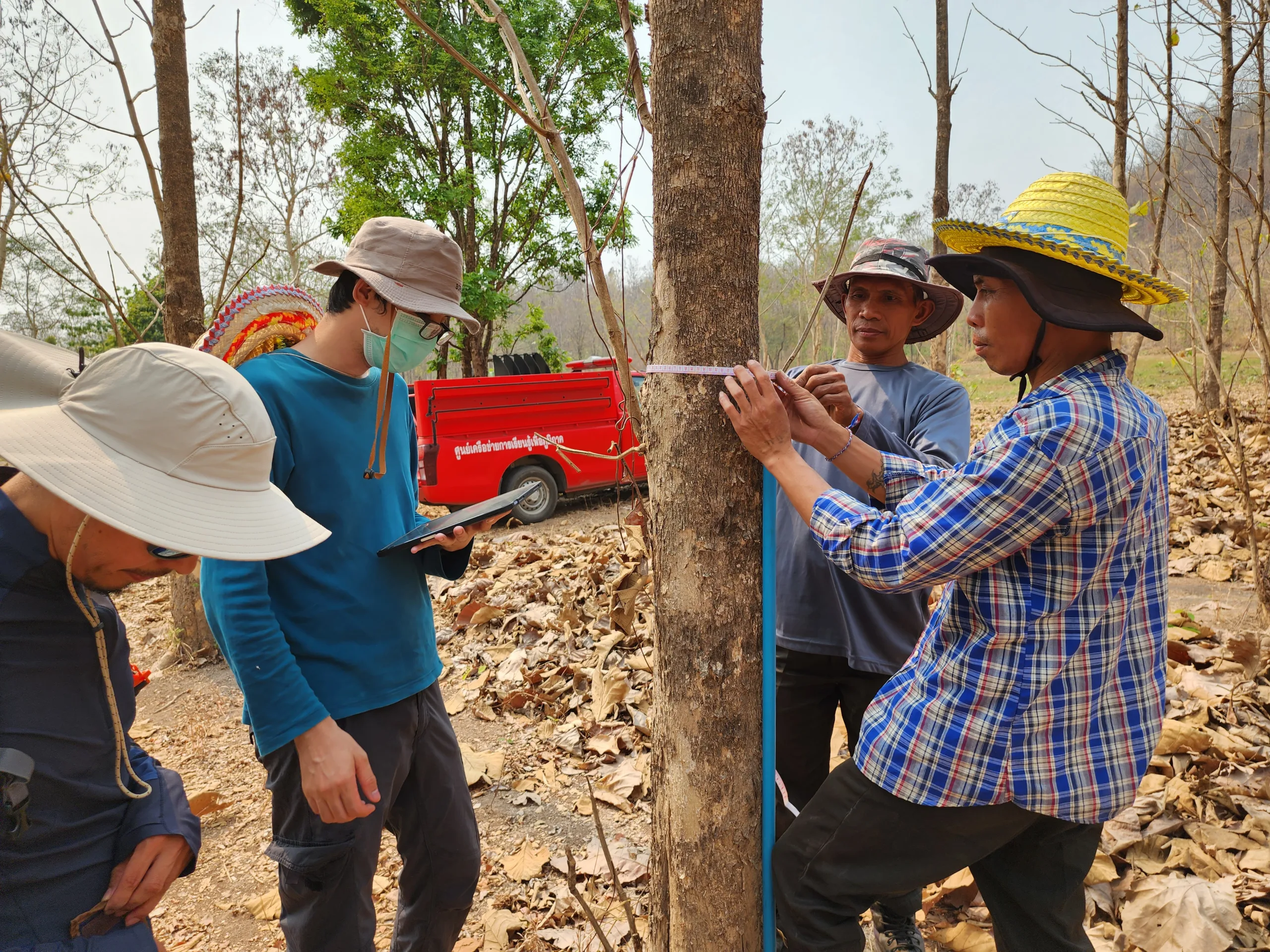
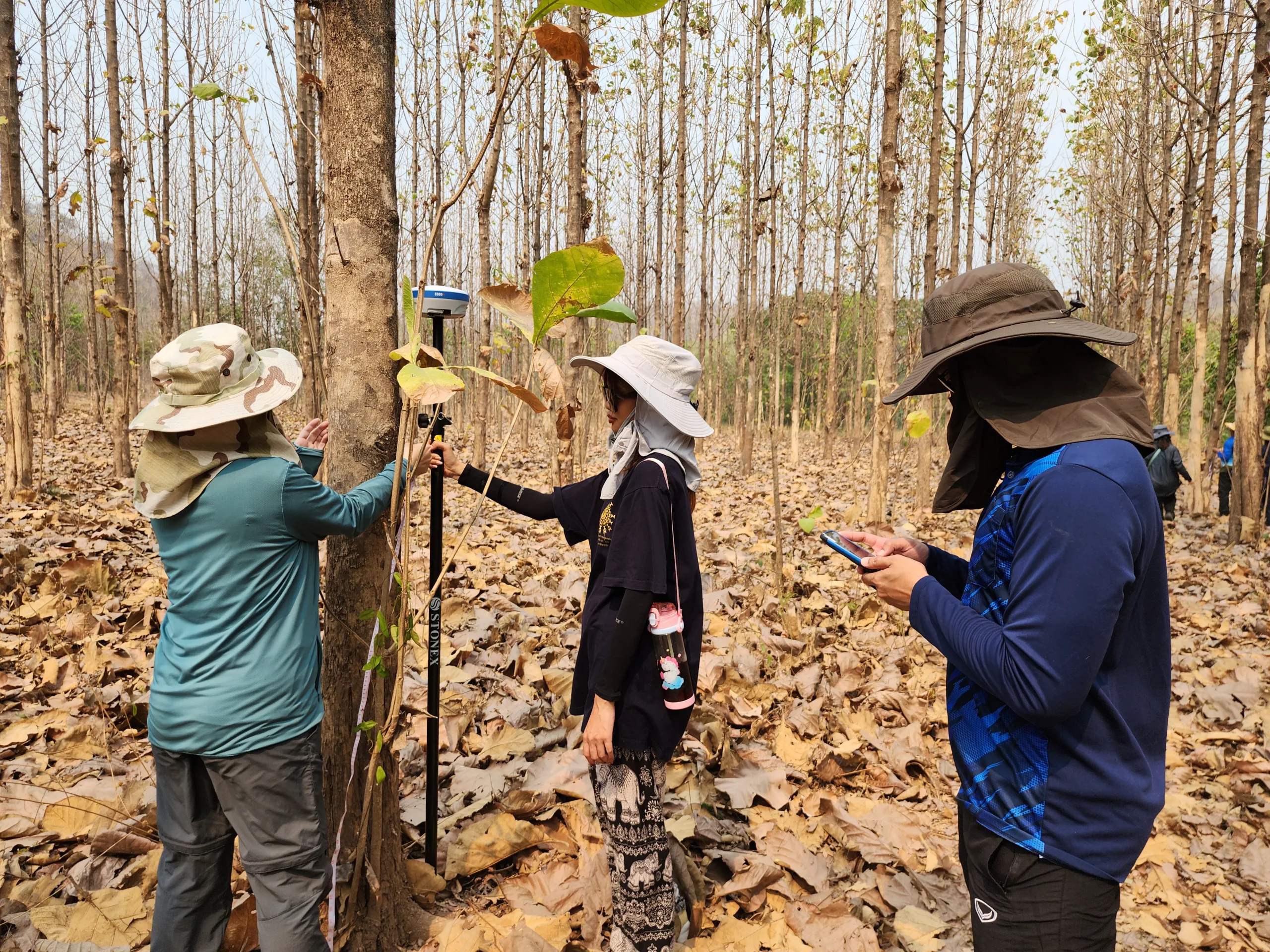
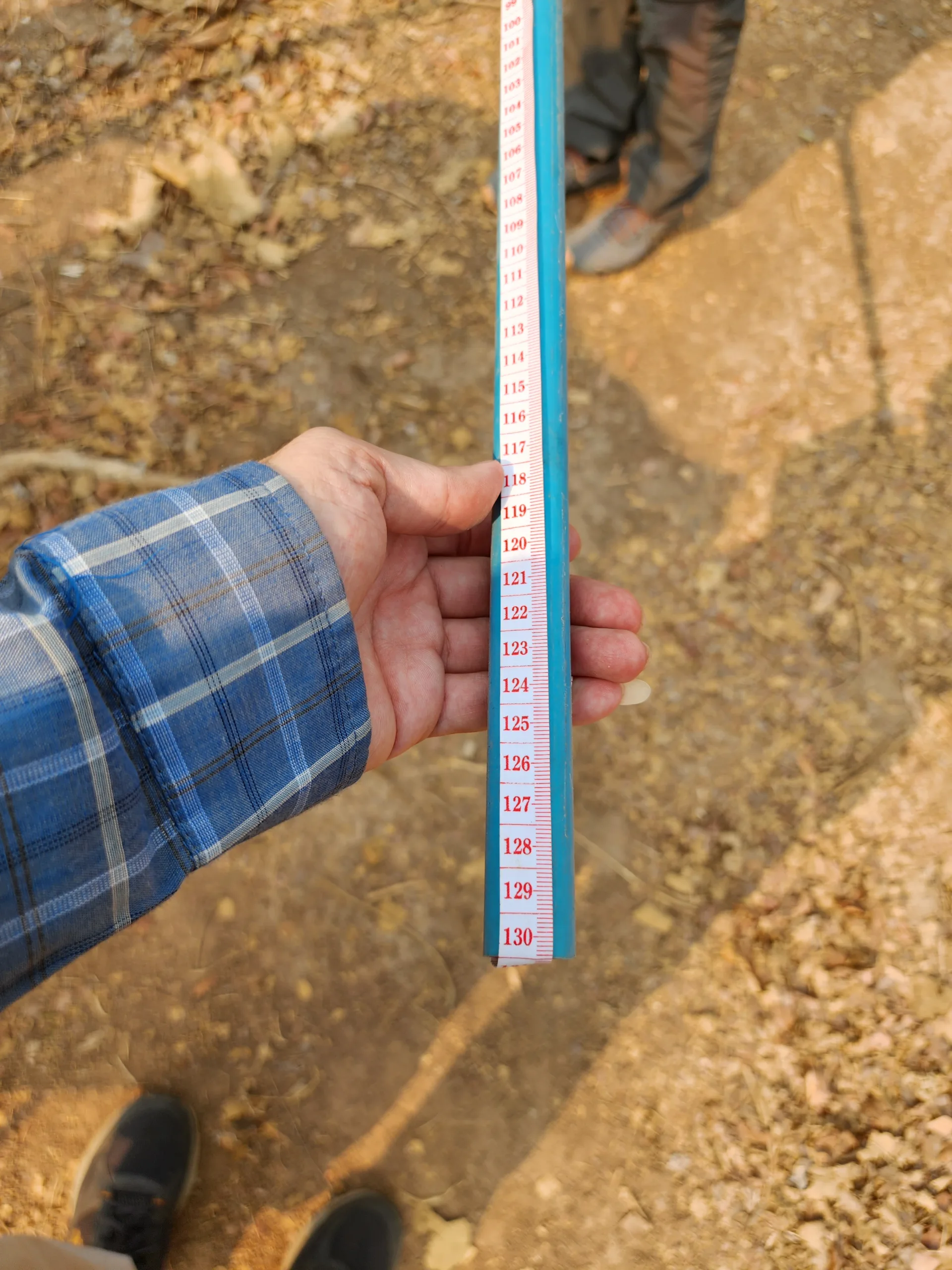
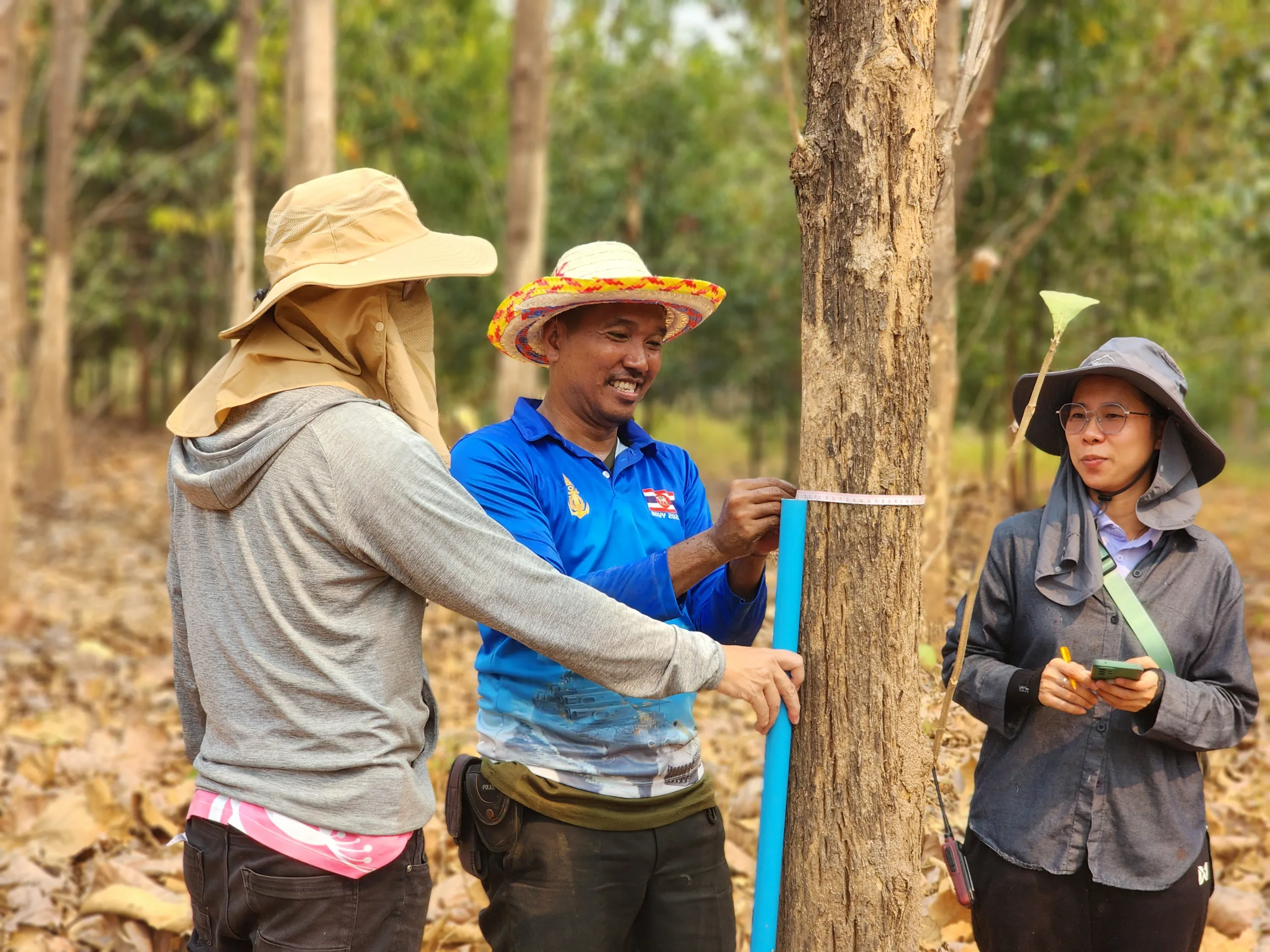
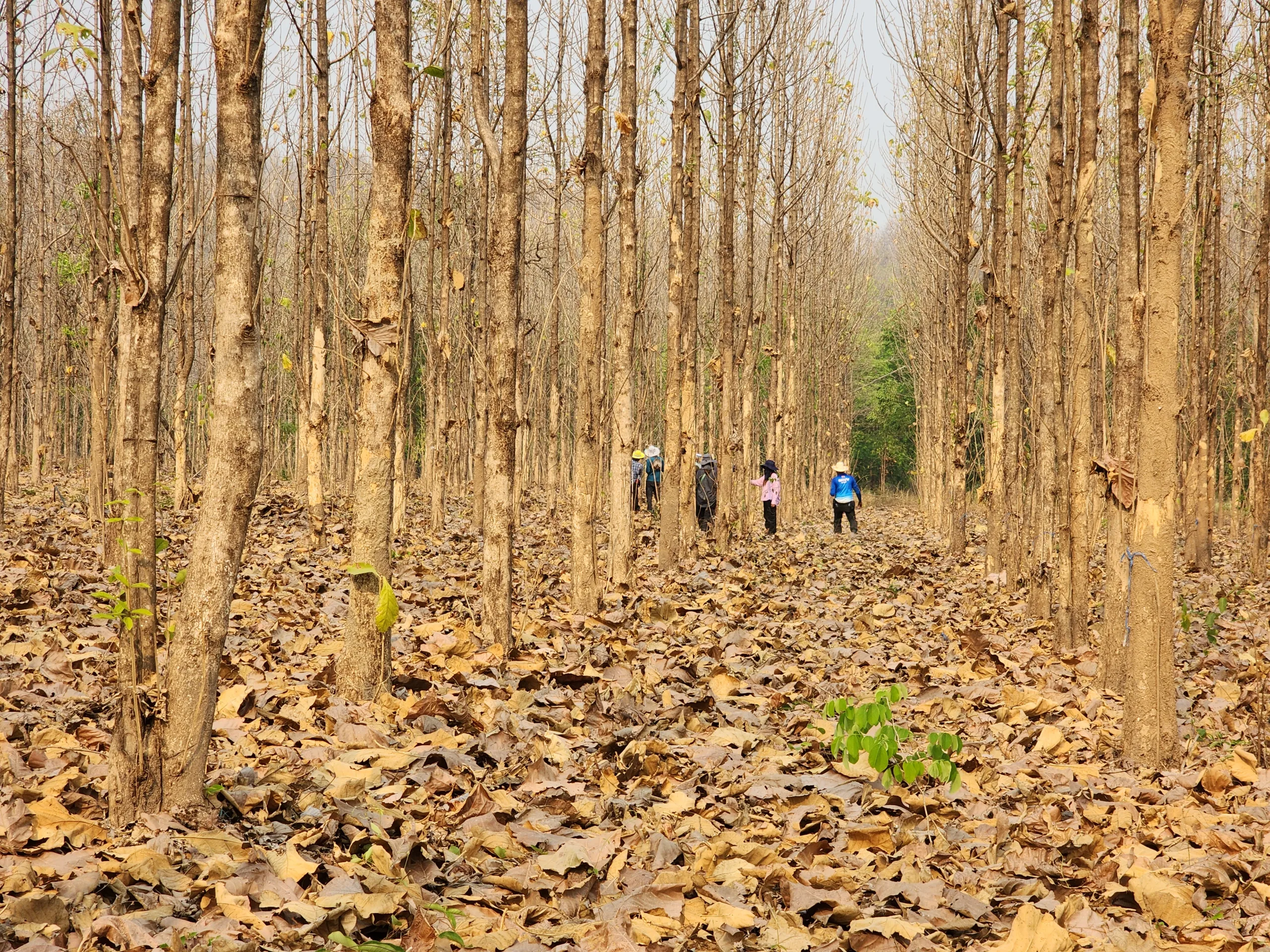
The assessment found that, since the project began, the forest has sequestered a total of 316.707 metric tons of carbon dioxide equivalent—providing scientific evidence of the tangible results achieved through green space restoration.
However, recognition under the LESS mechanism is honorary and intended to support and encourage organizations to undertake greenhouse gas reduction activities. The reported amount therefore does not constitute tradable carbon credits such as those issued under the Thailand Voluntary Emission Reduction Program, or T-VER.
Bringing Carbon Education to Life in Nature’s Classroom
Beyond its role in sequestering carbon, the forest has also been developed as a learning center on carbon neutrality for school and university students, researchers, government agencies, private-sector organizations, and the general public.
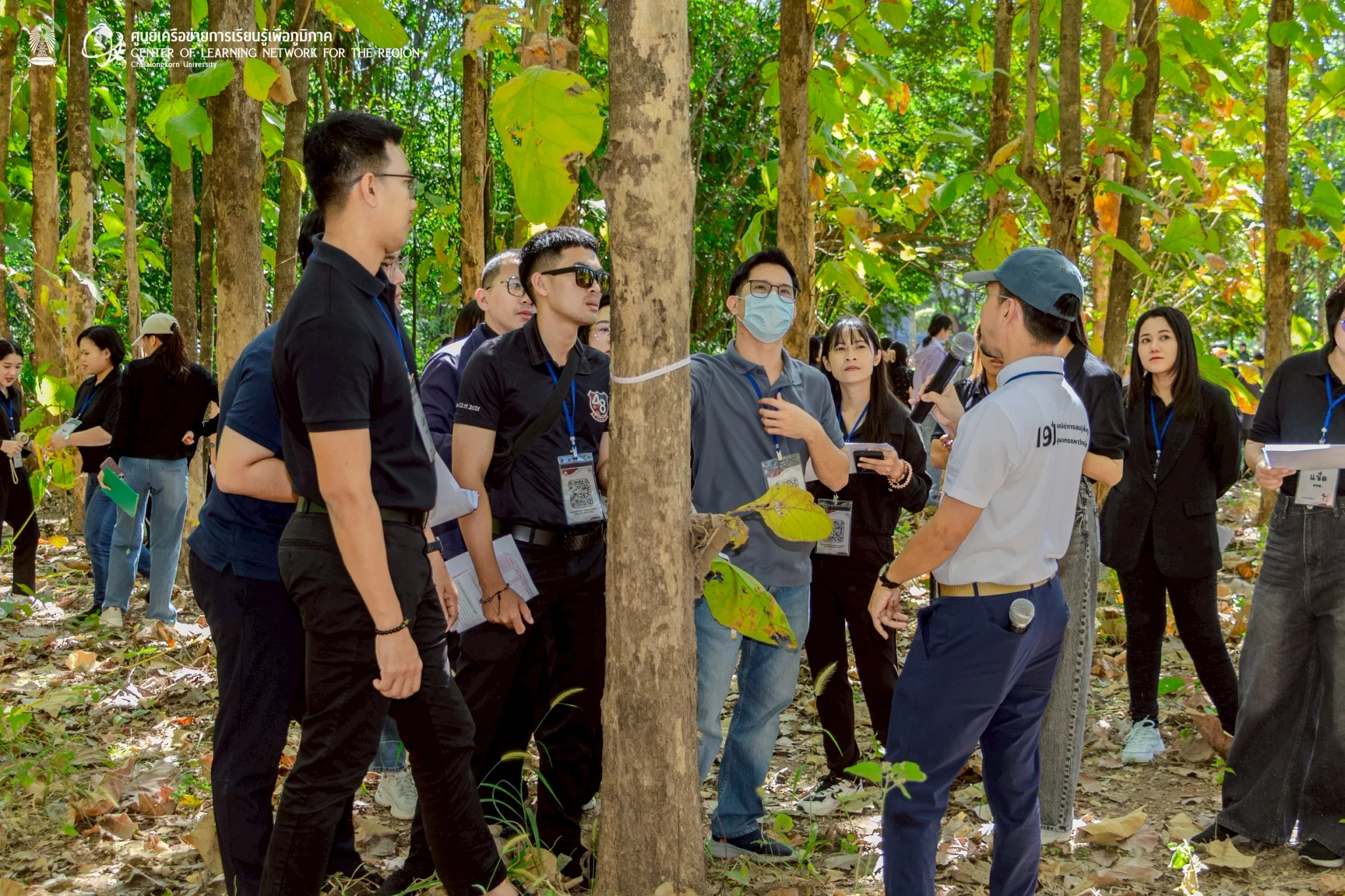
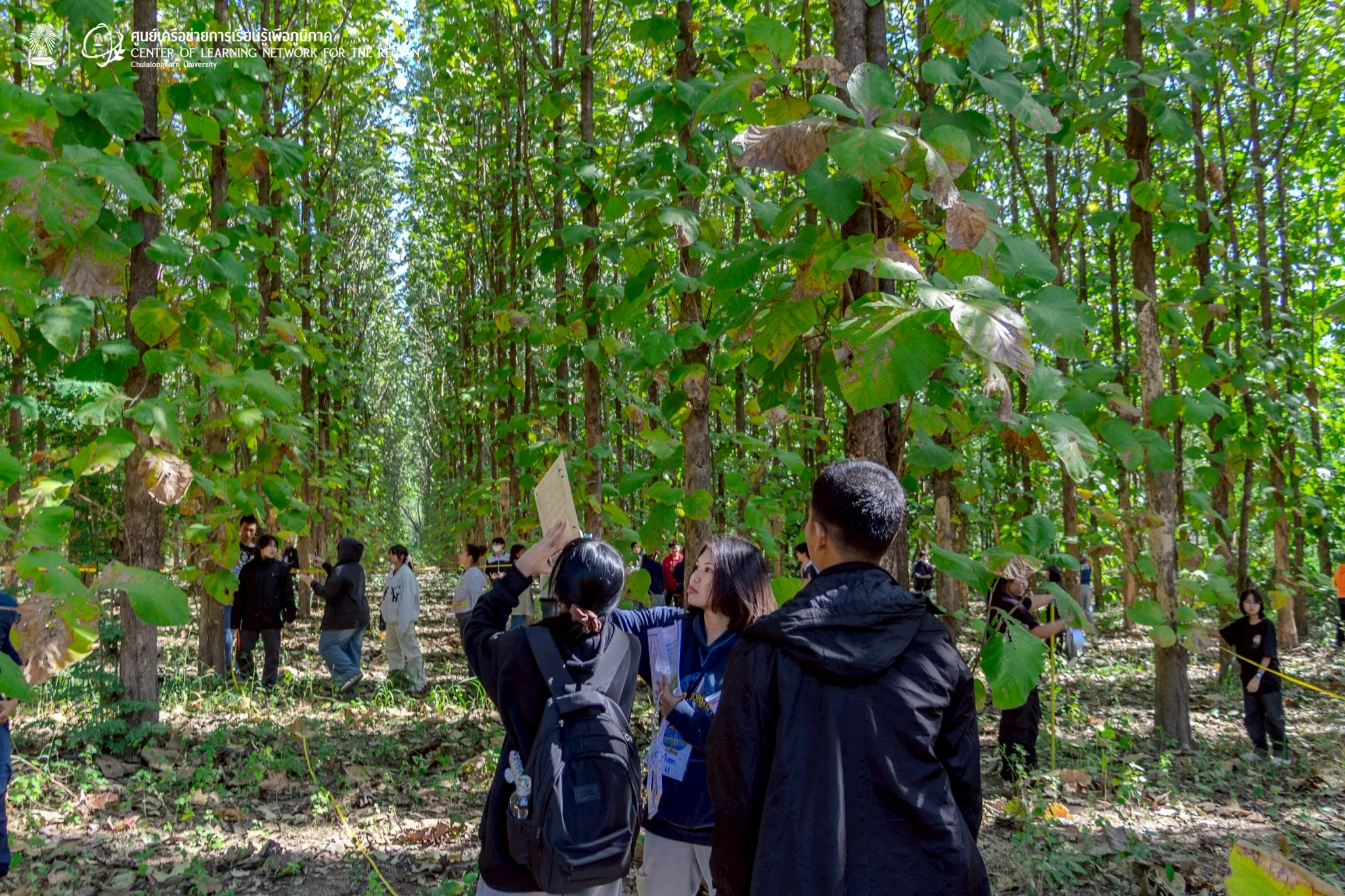
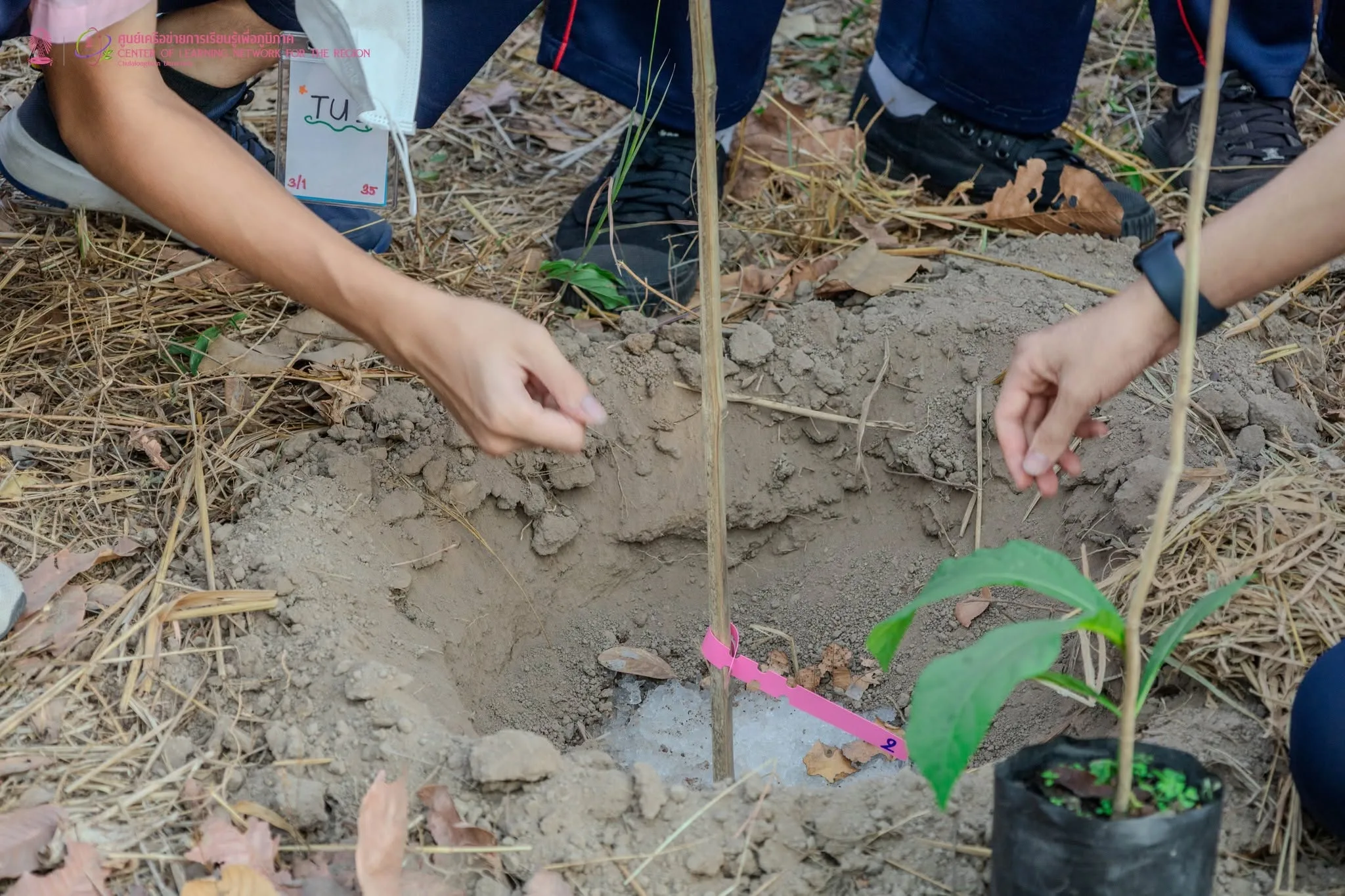
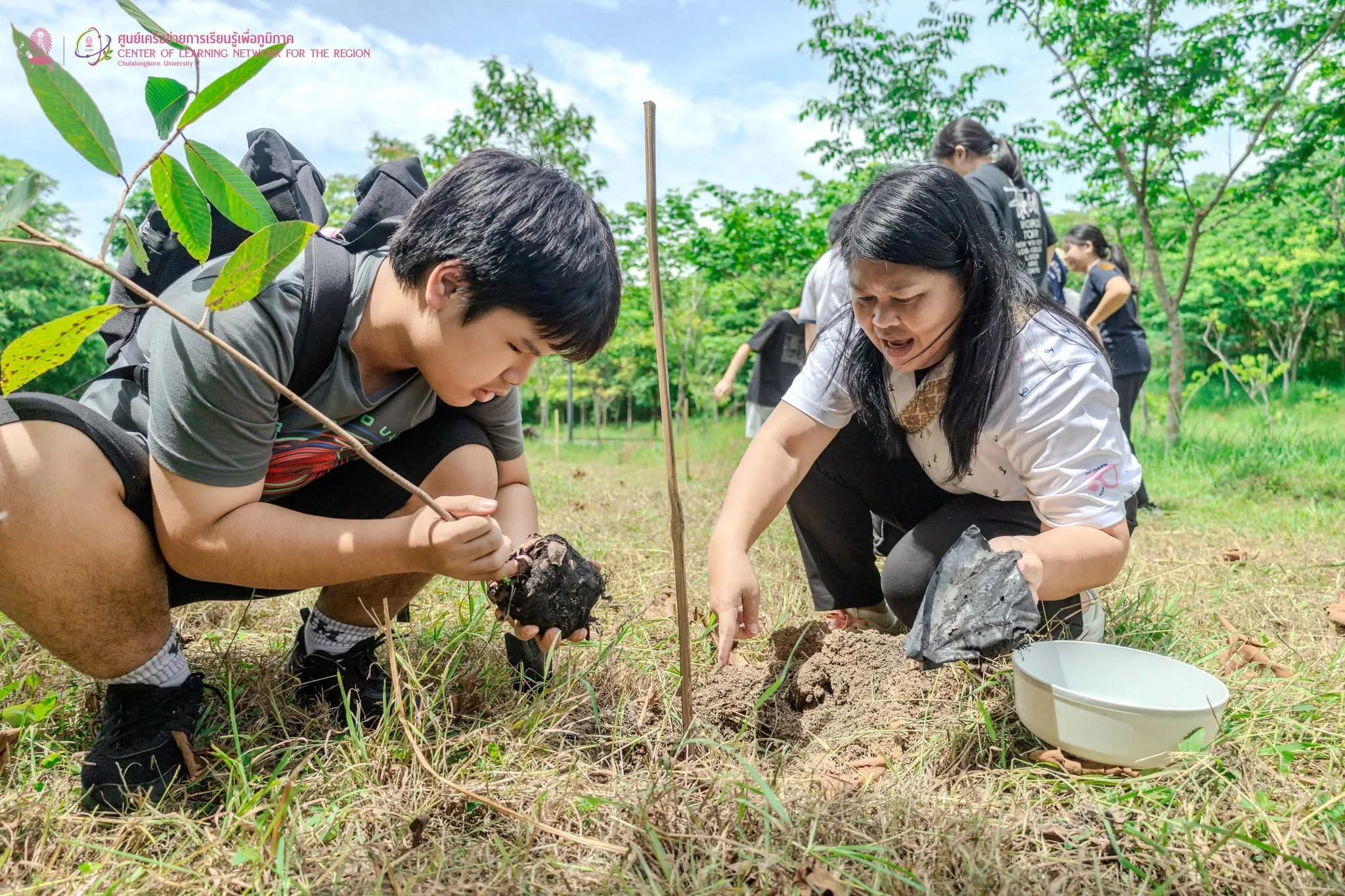
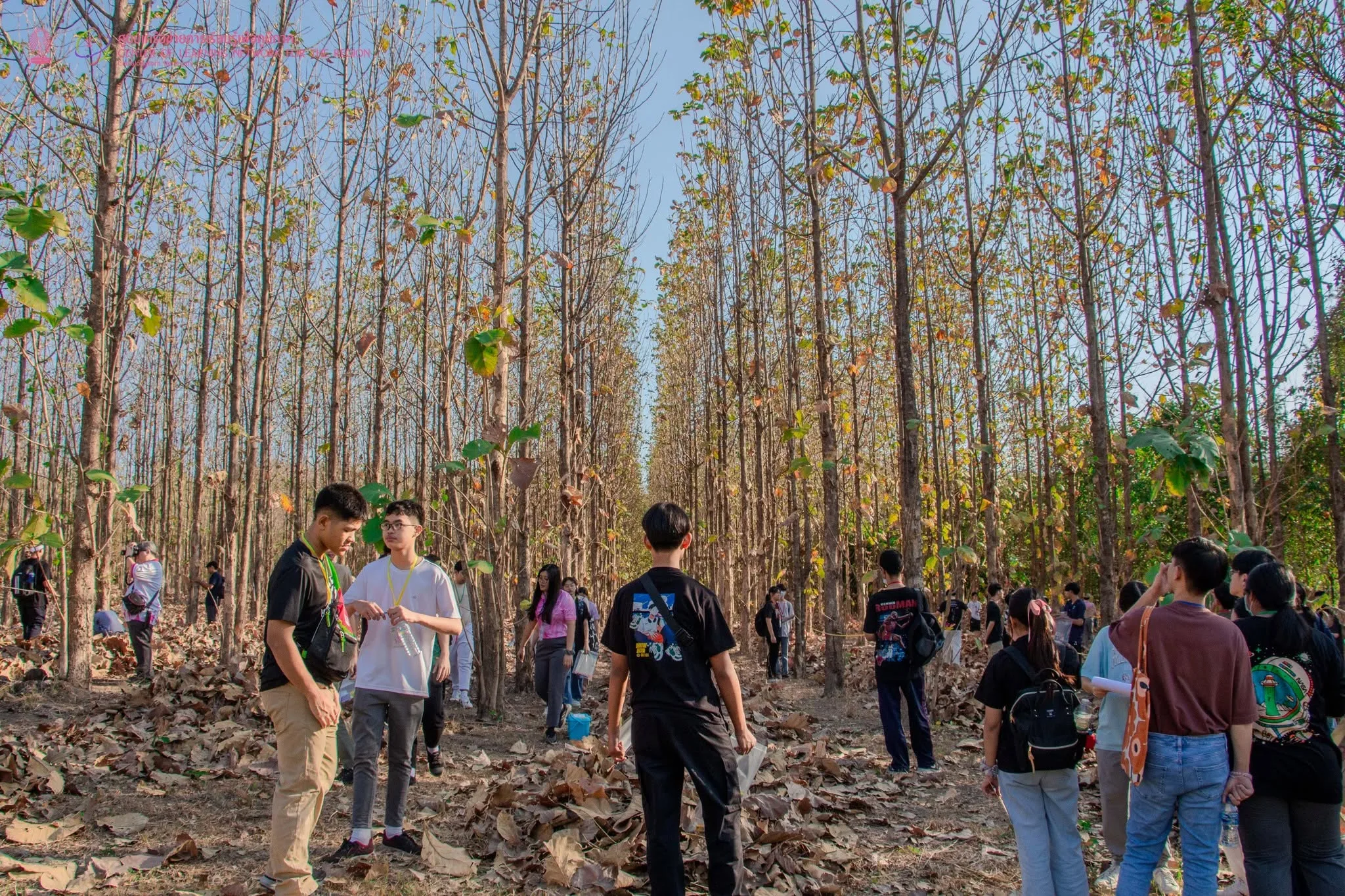
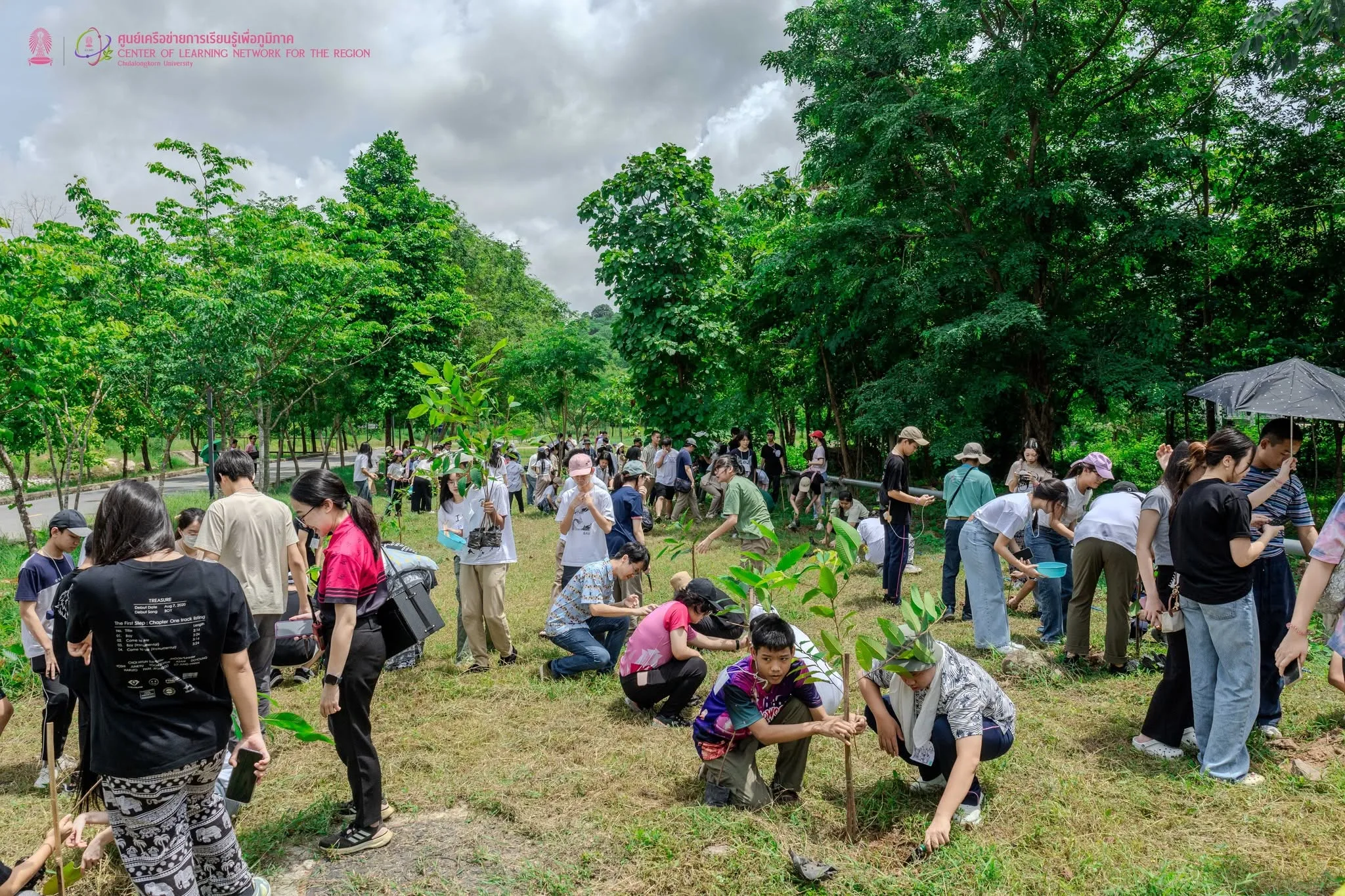
Chulalongkorn University’s Center for Social Engagement has designed hands-on learning activities that allow participants to measure trees, calculate the amount of carbon they absorb, grow saplings, and plant trees. Games and simulations are also used to explain the relationship between forest areas, greenhouse gas emissions, and carbon neutrality.
Over the past year, the site has welcomed more than 1,000 learners, including students from Saraburi and neighboring provinces, international students, and personnel from government agencies and educational institutions.
Learning in a real-world setting transforms carbon from a seemingly complex concept into something participants can see, touch, and calculate. It helps them understand that caring for every tree and every green space can contribute to addressing climate change.
Advancing Carbon Credits and Carbon-Neutral Schools
Chulalongkorn University is building on the knowledge gained from the Low Emission Support Scheme (LESS) through the “Chula Saraburi Carbon Credit Learning Forest Project,” which was officially registered under Standard T-VER in May 2025.
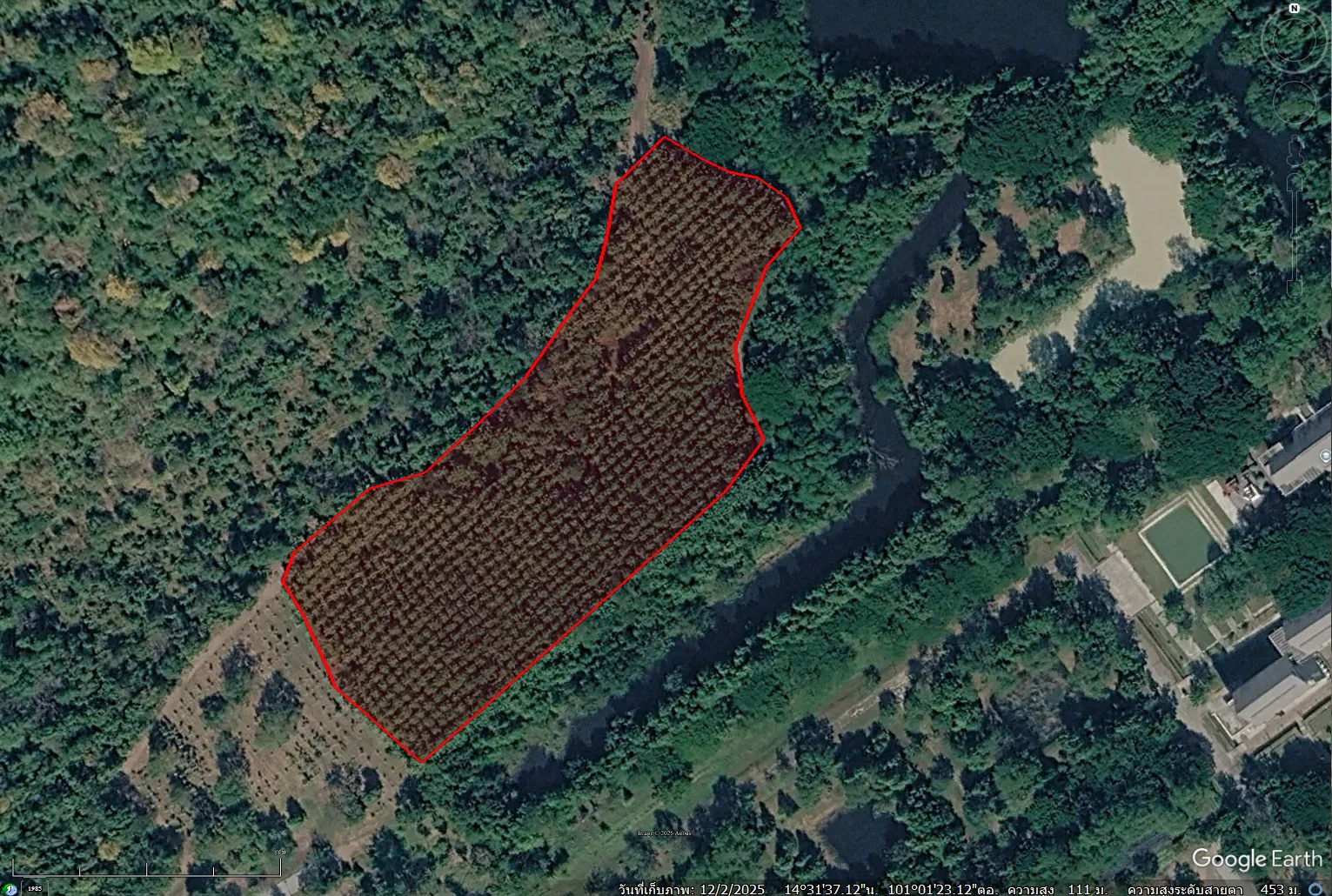
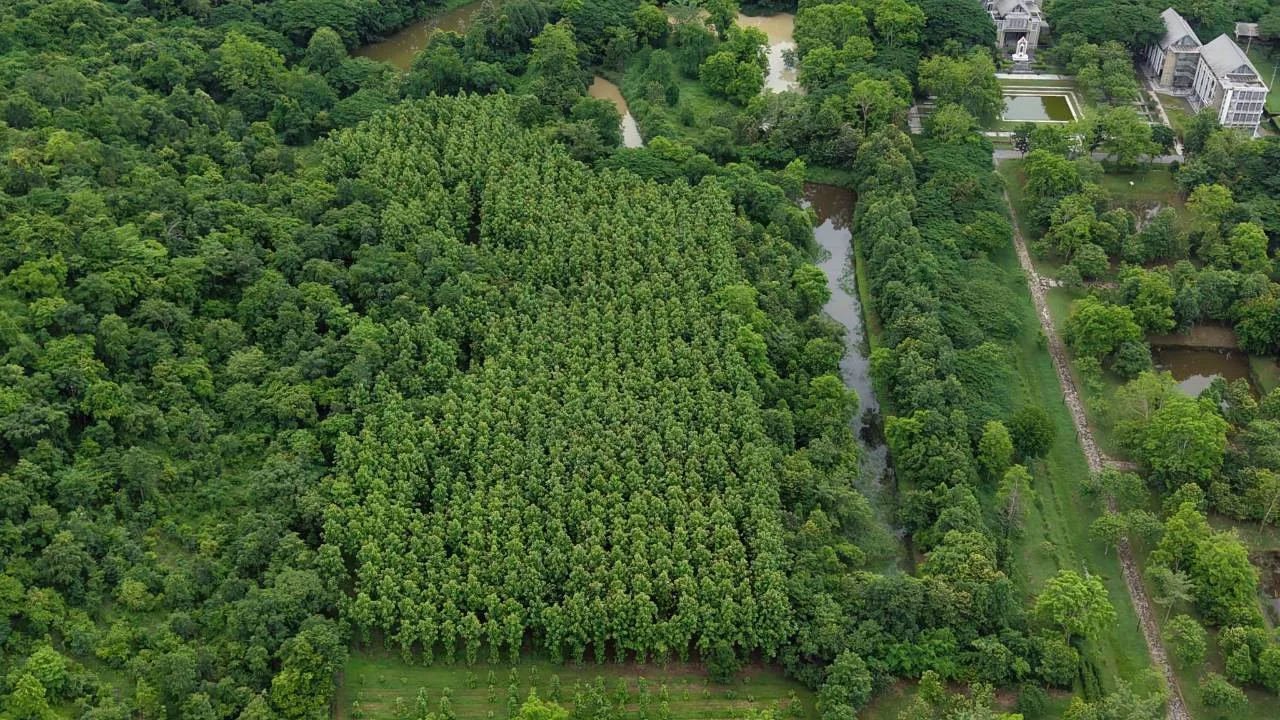
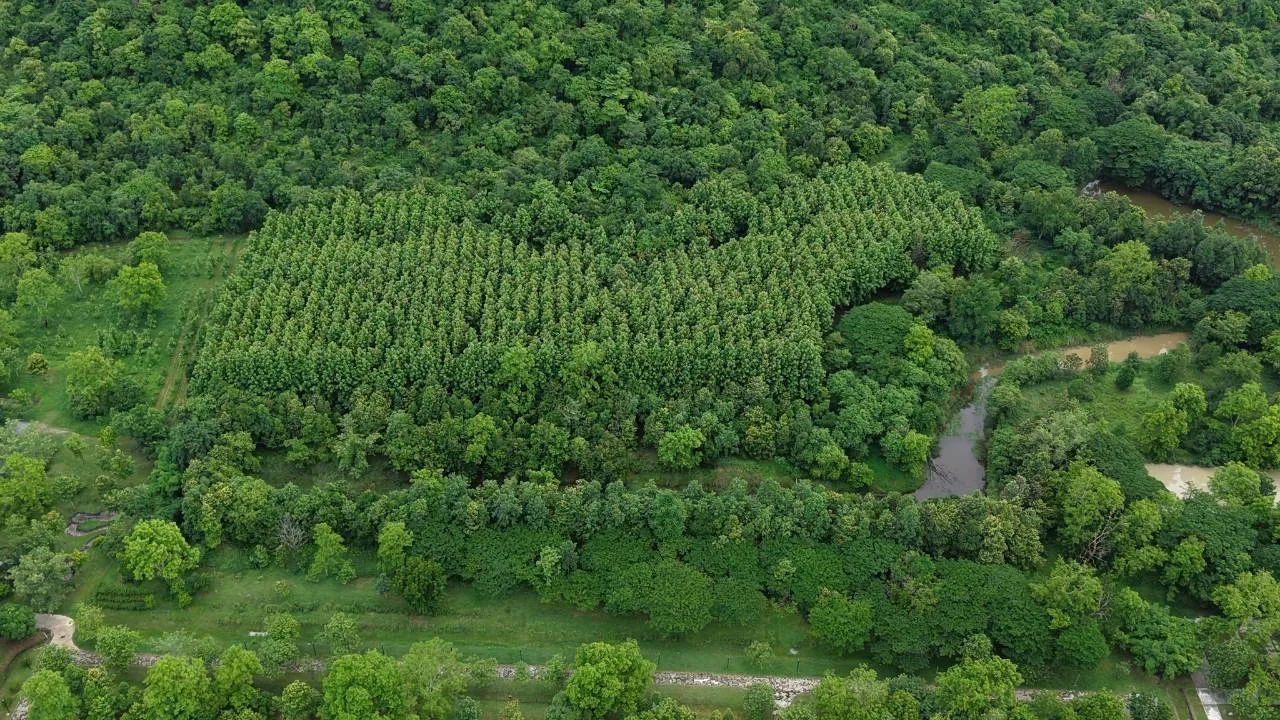
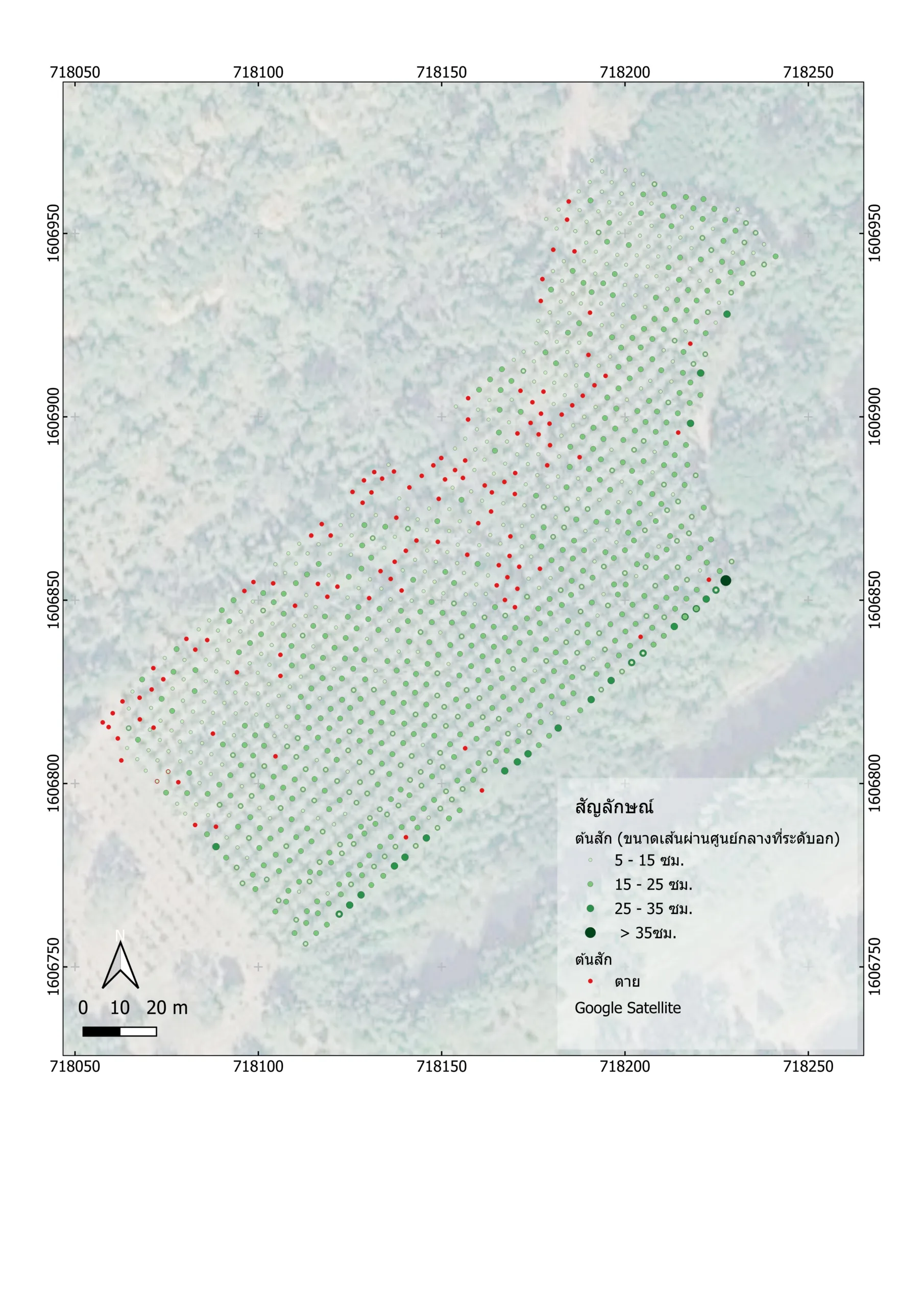
The project is expected to reduce greenhouse gas emissions by approximately 217 metric tons of carbon dioxide equivalent per year during the 2024–2034 crediting period. It also serves as a learning site where participants can study how tradable carbon credit projects are developed in accordance with the relevant criteria.
Meanwhile, a multidisciplinary team of Chula students, working with the university’s Center for Social Engagement, has expanded the “LESS for Educational Institutions: Towards Carbon-Neutral Schools” project to 13 schools in Nan Province. Through online training and field activities, teachers, school students, and Chula students work together to measure trees and prepare the schools to register forestry activities under LESS.
These initiatives reflect Chulalongkorn University’s role in connecting its knowledge, research, and students’ capabilities with society. They support the university’s goal of achieving net-zero greenhouse gas emissions by 2050 while contributing to Thailand’s transition toward a low-carbon society.
“Green spaces and greenhouse gas reduction are not solely the responsibility of large institutions. Even one or two trees at home, or a small green space within a community, can help store carbon. The important thing is not merely to plant trees but to work together to care for them so that they continue to grow.”
What began with small teak saplings planted more than a decade ago has now become the Mahesak–Sak Siamin Carbon Sequestration Forest at Chula Saraburi. The forest not only helps absorb greenhouse gases but also demonstrates how sustained action, scientific knowledge, and opportunities for participation across all sectors can transform degraded land into a thriving habitat, a place of learning, and a powerful force for building a sustainable future.