Remembering “Sinbad,” the Famous Dolphin of 52 Years Ago: The “Great Teacher” Who Inspired the Advancement of Aquatic Animal Studies in Thai Veterinary Medicine
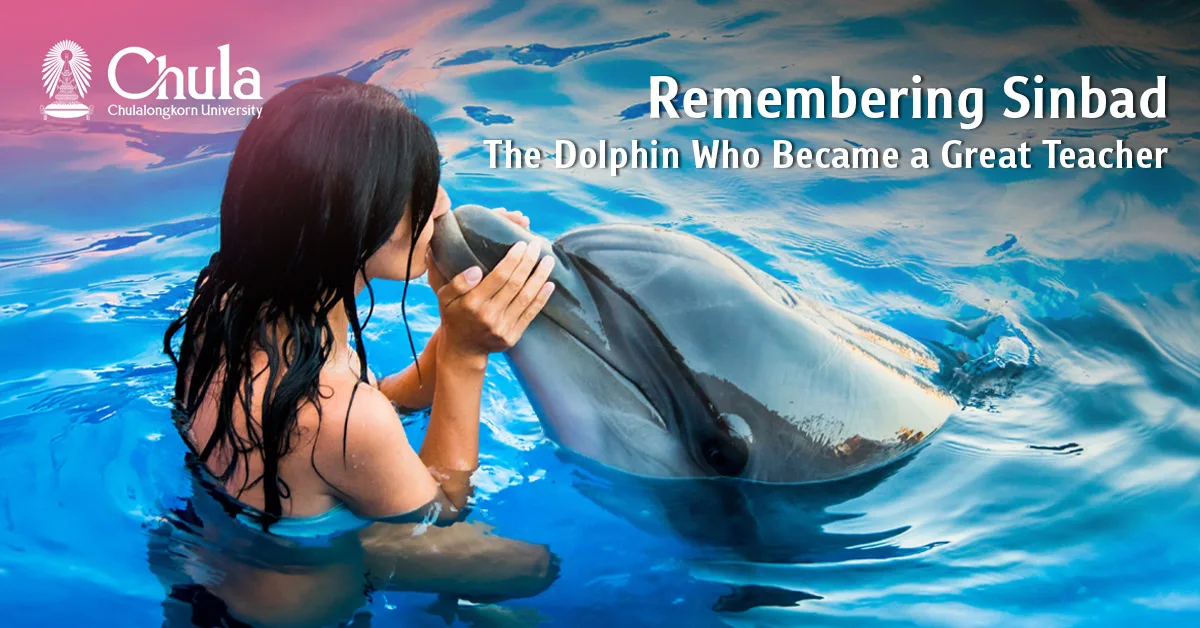
From a beloved dolphin to a “Great “Teacher”—the preserved body of Sinbad, the dolphin who made headlines 52 years ago, continues to inspire as an anatomical teaching specimen and a historical record of veterinary medicine in Thailand.
Every preserved animal has a story. The bottlenose dolphin named “Sinbad,” now housed in the Veterinary Anatomy Museum on the third floor of the 60th Anniversary Building, Faculty of Veterinary Science, Chulalongkorn University, is no exception. Fifty-two years ago, Sinbad was the darling of countless Thai children who dreamed of seeing a live dolphin with their own eyes.
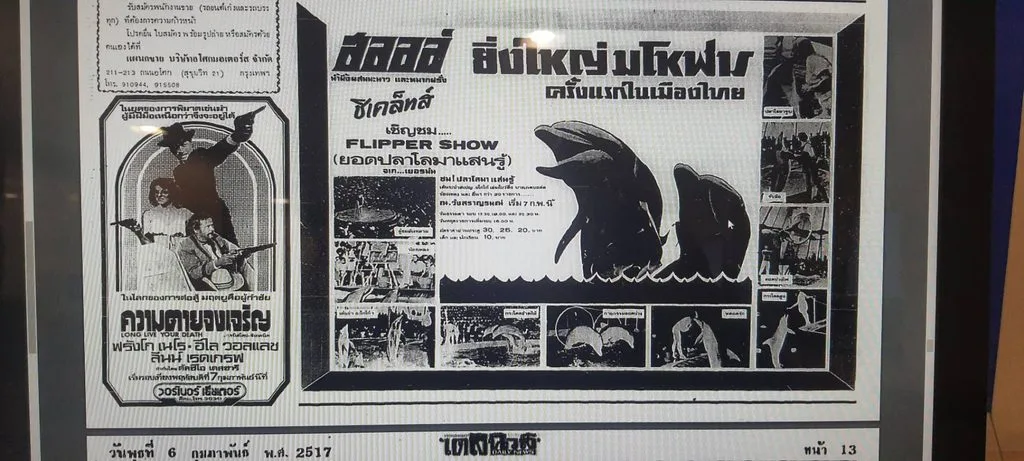
At the time, the lovable dolphin from the film Flipper had inspired children everywhere to dream of seeing a live dolphin. That dream came true for Thai children in 1974, when the “Flipper Show” troupe from West Germany staged the country’s first dolphin show at Saranrom Palace. The stars were two bottlenose dolphins, Sinbad and Rory, who swam through hoops, played with balls, responded to their trainers’ signals, and leaped above the water. The pair quickly became “superstars,” with news reports stating that more than 4,000 people attended the show in a single day.
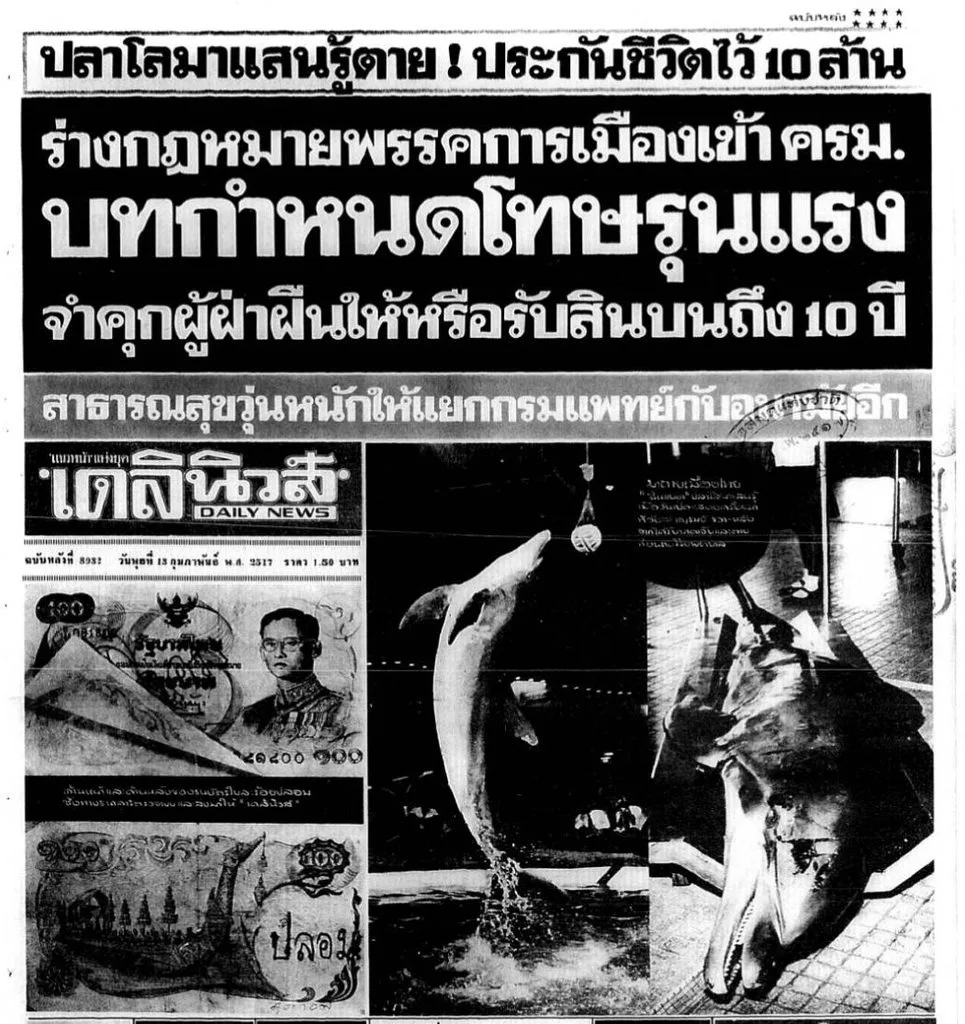
Before long, however, the performances that had brought laughter and smiles turned into a tragic story. Sinbad, the male dolphin, died unexpectedly on February 11, 1974. His death made the front page of every newspaper and was reported by every television channel at the time.
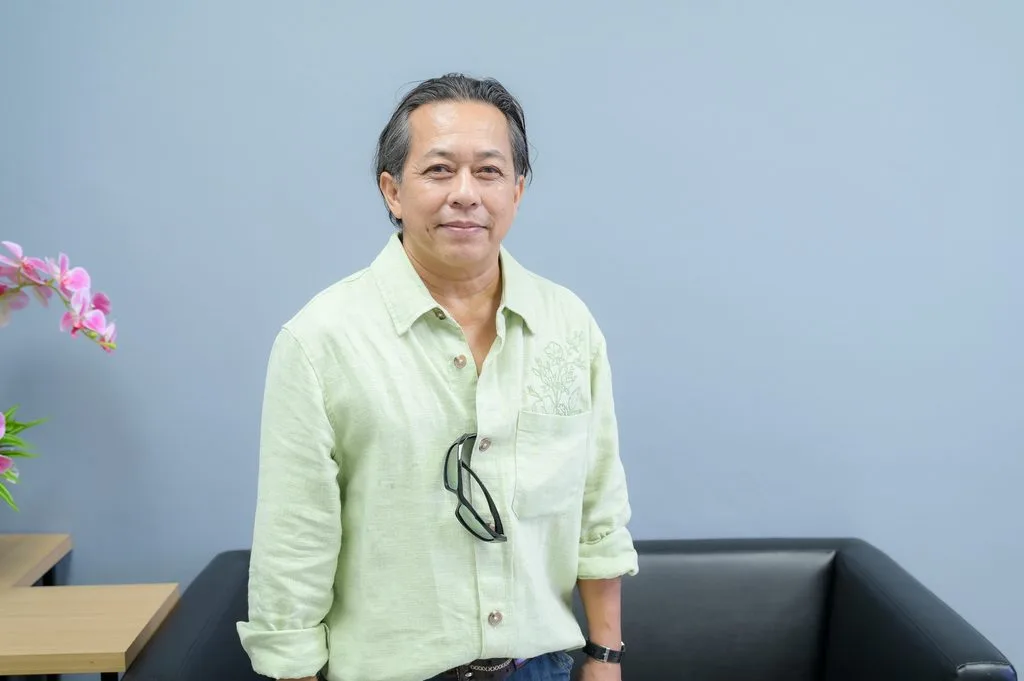
“The television news footage of Sinbad lying ill on a white hospital bed while receiving treatment has stayed with me since childhood. It was heartbreaking and left such a deep impression on me. The image was so real and vivid that I can still remember it clearly to this day,” recalled Apivat Soonthornnond, an artist and environmental conservationist who was only 10 years old at the time.”– Mr. Apivat Soonthornnond
More than half a century later, Sinbad’s story remained etched in Apivat’s memory. He researched the dolphin’s life through old newspapers preserved at the National Library of Thailand and was thrilled to discover that Sinbad’s body had been carefully preserved as a taxidermy specimen. Apivat then contacted Asst. Prof. Pawana Chuesiri, curator of the Veterinary Anatomy Museum, Department of Anatomy, Faculty of Veterinary Science, Chulalongkorn University, to retrace Sinbad’s story and document a chapter of history that had nearly faded with time. Their efforts have brought Sinbad’s story back to life and preserved its historical, academic, and conservation value for future generations.
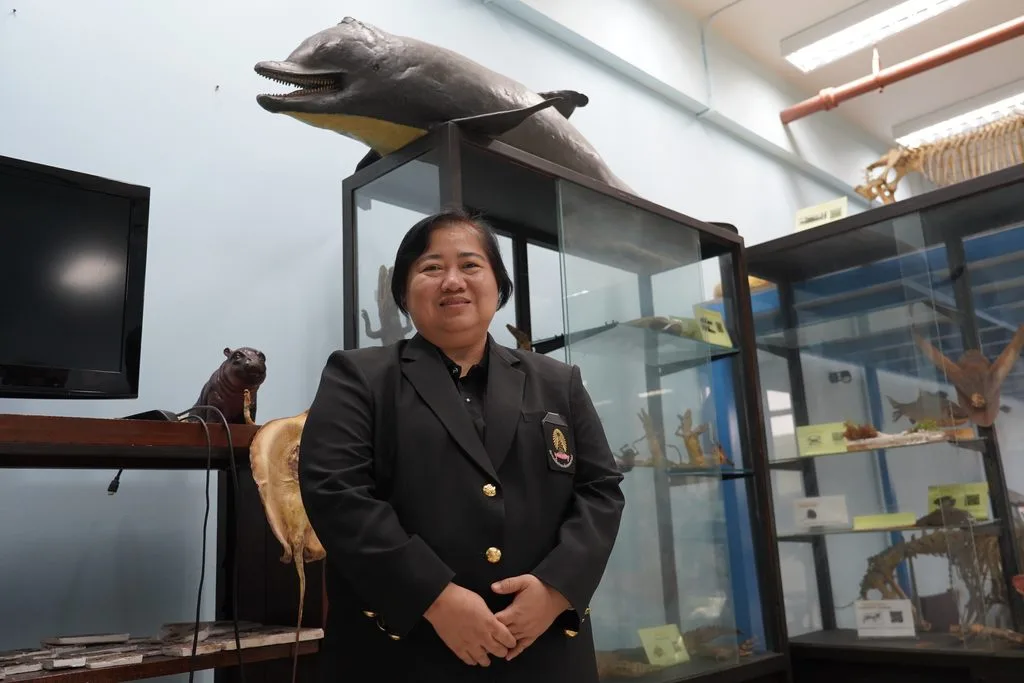
Curator of the Veterinary Anatomy Museum, Department of Anatomy,
Faculty of Veterinary Science, Chulalongkorn University
Determining the Cause of Death: A Crucial Task for Chula Veterinarians
Upon learning of Sinbad’s death, a team of veterinarians from Chulalongkorn University’s Faculty of Veterinary Science came together to conduct a necropsy and determine the cause. The team was led by Prof. Dr. Lek Thanasukarn, Head of the Pathology Division. The examination brought together Chula veterinary specialists from several fields. The pathology unit performed the necropsy and examined the organs for abnormalities and lesions, while the microbiology unit investigated the presence of pathogens in the body.
The necropsy was conducted primarily by Prof. Lek Thanasukarn, D.V.M., and Assoc. Prof. Therd Thepprateep, D.V.M., with Assoc. Prof. Kriangsak Poonsuk, D.V.M., preparing the equipment, assisting with the procedure, and closely observing the examination.
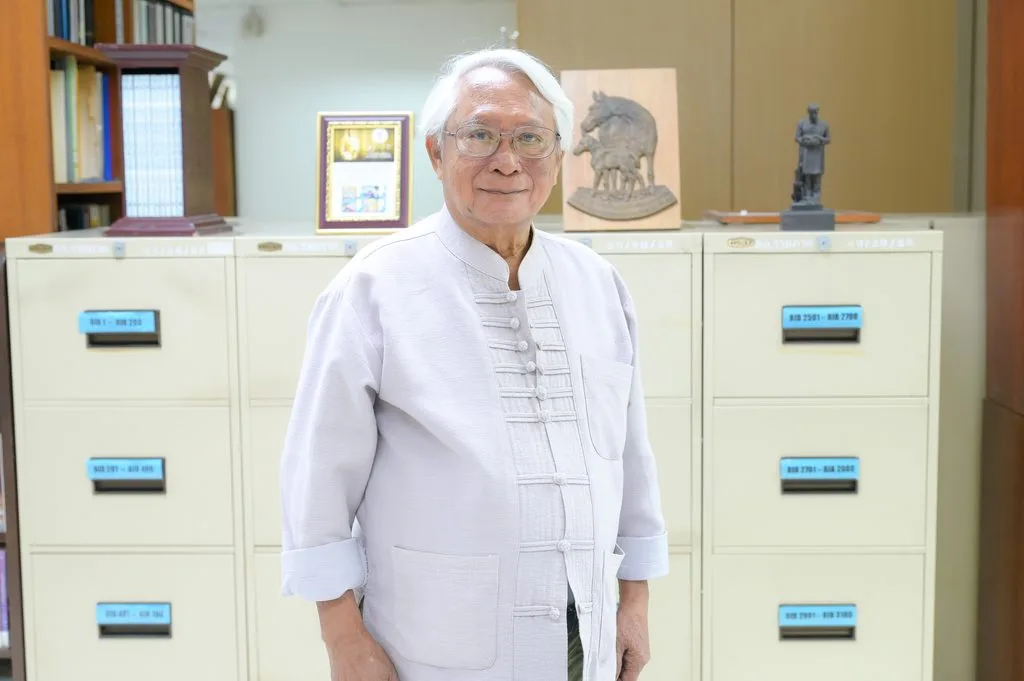
Former lecturer in the Microbiology Unit, Department of Pathology,
Faculty of Veterinary Science, Chulalongkorn University
“The necropsy revealed clear abnormalities in the lungs, including pneumonia, pulmonary edema, and the presence of pus. The team then collected lung samples for culture to determine the exact cause. Tests detected the bacterium Staphylococcus aureus, leading to the conclusion that Sinbad died of acute pneumonia,” recalled Prof. Dr. Kriangsak Poonsuk, a former lecturer in the Microbiology Unit, Department of Pathology, Faculty of Veterinary Science, Chulalongkorn University.
Historical records showed that Sinbad had already been ill and weak while in the Philippines, where he had performed in dolphin shows, before traveling to Thailand. The necropsy team therefore linked his illness to a condition known in veterinary medicine as shipping fever, which can occur when an animal becomes stressed and weakened during long-distance transportation.
The necropsy findings were highly significant for Thailand. They not only solved the mystery surrounding the famous dolphin’s death, enabling the show’s organizer to successfully file an insurance claim worth 10 million baht, but also marked the beginning of aquatic animal research at Chulalongkorn University’s Faculty of Veterinary Science.
From Dolphin Superstar to “Great Teacher”
The Thai public took such a strong interest in Sinbad’s necropsy that the Faculty of Veterinary Science arranged for the procedure to be broadcast by closed-circuit television to an area outside the building, allowing students and interested members of the public to observe and learn.
“Sinbad was all over the news at the time, but as students, we had never had the opportunity to see him live. When we learned that he had died and that our professors had brought his body to the faculty for a necropsy, they invited us to come and observe. We hurried over and crowded around the necropsy table, excited and eager to learn.”
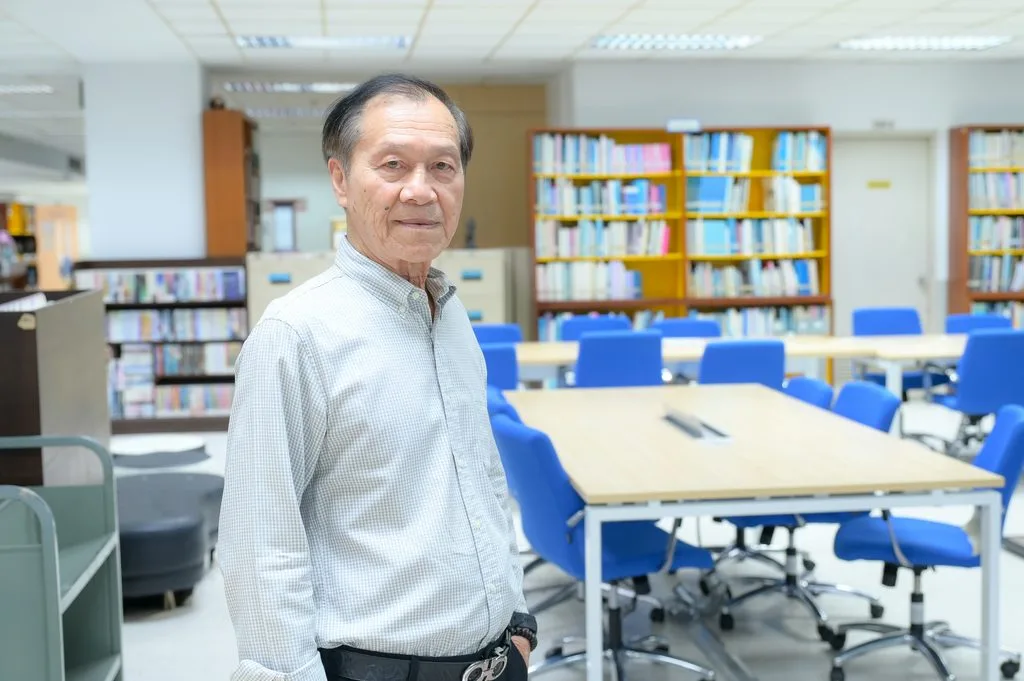
Former two-term member of the Veterinary Council of Thailand’s Executive Board and
Former President of the Chulalongkorn University Veterinary Alumni Association
Manoch Fueangfuphong, D.V.M., a former two-term member of the Veterinary Council of Thailand’s Executive Board and former president of the Chulalongkorn University Veterinary Alumni Association, recalled the event from his days as a veterinary student.
“Fifty years ago, the veterinary curriculum focused primarily on dogs and general livestock. None of the veterinarians had ever studied aquatic animals or dolphins, so Sinbad was the first case of its kind for all of us. Our professors taught us throughout the necropsy, gradually showing us the dolphin’s physiology and allowing us to see the infected lungs firsthand. That day, they told us to be proud that we had the opportunity to encounter the Sinbad case once in our lives.”
“Sinbad”: A Turning Point in Aquatic Animal Research
Under the law at the time, Sinbad’s remains should have been cremated after the examination. However, because the body was neither reclaimed nor formally donated, Assoc. Prof. Payatra Tantileepikorn, D.V.M., former Head of the Department of Anatomy, Faculty of Veterinary Science, Chulalongkorn University, decided to preserve the skeleton and prepare the body as a taxidermy specimen for educational purposes.
That decision transformed Sinbad into more than a cherished memory for a generation. His preserved body became both a historical record and a source of knowledge that helped pave the way for aquatic animal studies at Chula’s Faculty of Veterinary Science.
“Sinbad’s death was a major impetus for the necropsy team to begin seriously investigating the diseases and environments of marine animals and to continue advancing knowledge of marine animal diseases.”– Assoc. Prof. Dr. Kriangsak
In 1975, Chula’s Faculty of Veterinary Science and the Department of Marine Science, Faculty of Science, jointly surveyed natural resources and aquatic life in the Andaman Sea and the upper Gulf of Thailand. This marked the beginning of systematic and continuing research into the physiology and diseases of marine animals, eventually leading to the formal establishment of the Aquatic Animal Disease Research Center.
Since then, Chula’s aquatic animal research has continued to expand, covering the causes of diseases in aquatic animals, the control of disease outbreaks in freshwater fish, and the environmental and toxicological effects associated with aquaculture.
Sinbad’s Preserved Body: A Legacy Worth Protecting
The 1974 examination of Sinbad was a pioneering dolphin necropsy conducted to determine the cause of death in Thailand. It also broadened the perceived role of veterinarians beyond treating dogs and cats in clinics, said Asst. Prof. Dr. Pawana.
“Sinbad’s preserved body has a story every bit as remarkable as his life. It was once nearly discarded after being damaged when the department relocated. One of the pectoral fins broke, causing the sawdust stuffing to spill out. Recognizing its educational value, faculty members and staff from the department worked together to repair it using papier-mâché techniques. They restored and repainted the specimen, thereby preserving Sinbad for future generations.”
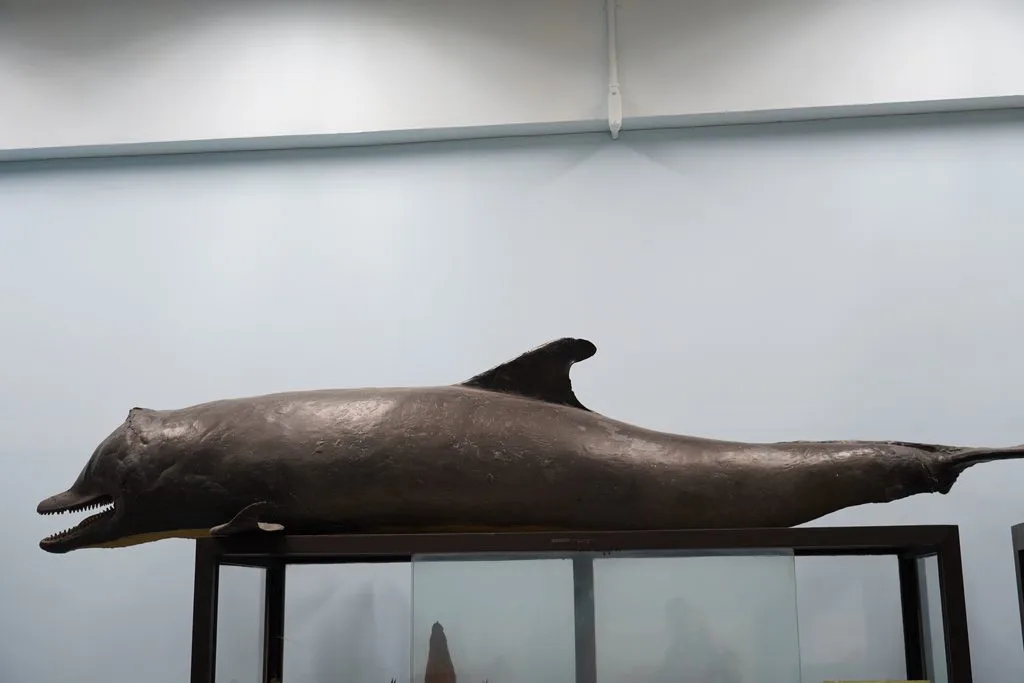
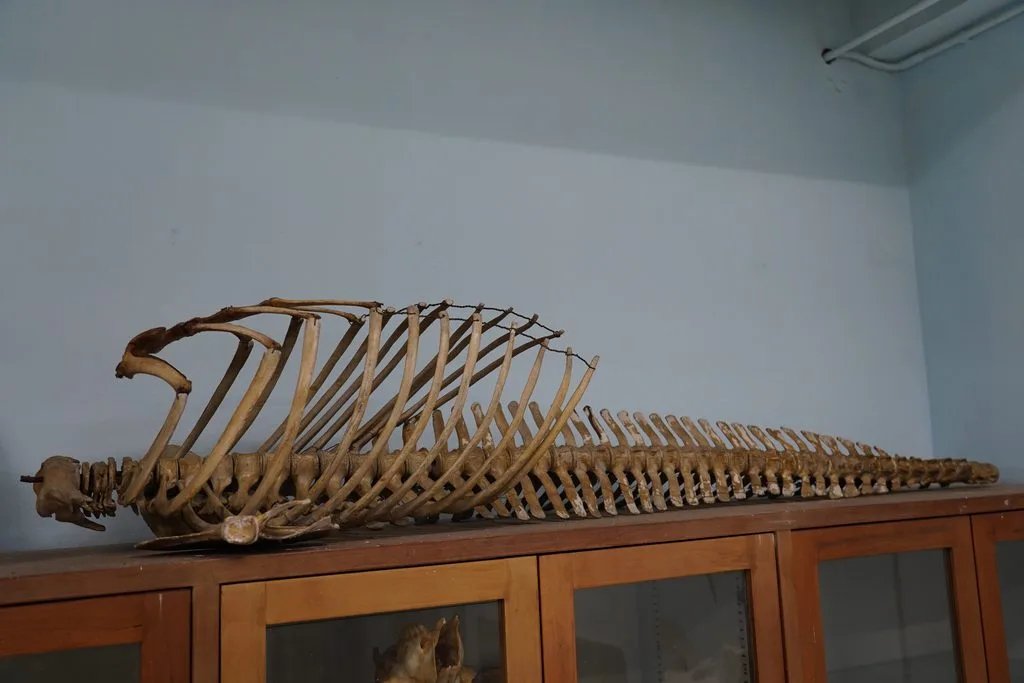
More than half a century after captivating the public, Sinbad continues to inspire in a different way—as an anatomical teaching specimen and a historical record of veterinary medicine in Thailand.
Sinbad’s preserved body is part of the history of Thai veterinary medicine. His story reminds us that the loss of one life can sometimes mark the beginning of knowledge that will help care for countless others in the future.
See Sinbad’s taxidermy specimen and other fascinating animals—including a penguin, hammerhead shark, manta ray, and Amazonian vampire fish—at the Veterinary Anatomy Museum on the third floor of the 60th Anniversary Building, Faculty of Veterinary Science, Chulalongkorn University. For further information, call +66 2218 9658. Visitors are requested to contact the Department of Anatomy during office hours to arrange their visit in advance.