Thailand Moves Closer to Accessible Cancer Immunotherapy with Locally Developed Biologic Drug
“Cancer” is one of the leading causes of death in Thailand and a major burden on the public health system, affecting both treatment costs and the quality of life of patients and their families. Immunotherapy has become a key approach in transforming cancer care across many types of the disease, helping extend survival and improve treatment outcomes. However, despite these advances, the high cost of innovative drugs remains a major barrier to access—especially within Thailand’s healthcare system, which must balance treatment effectiveness with resource sustainability.
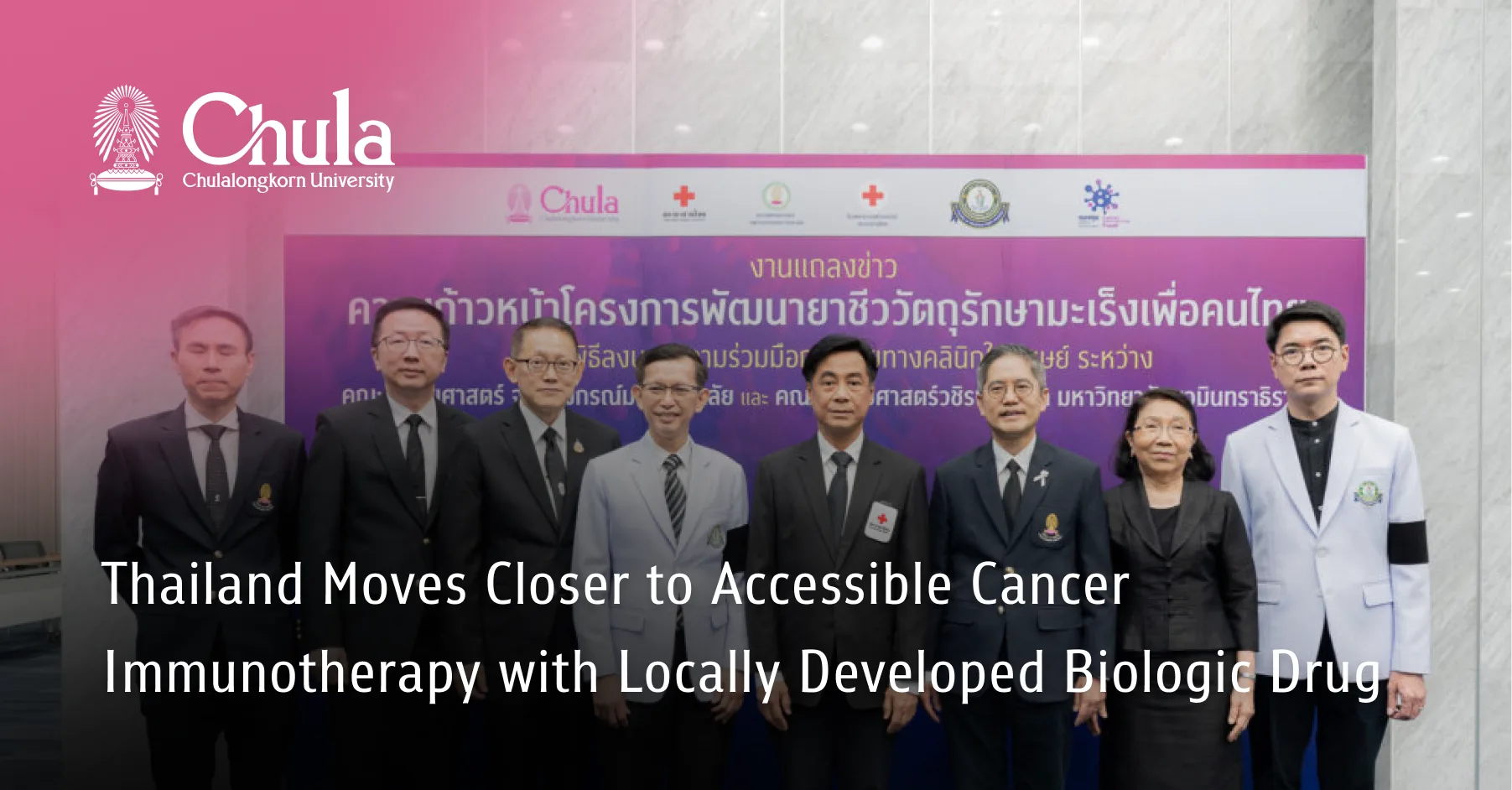
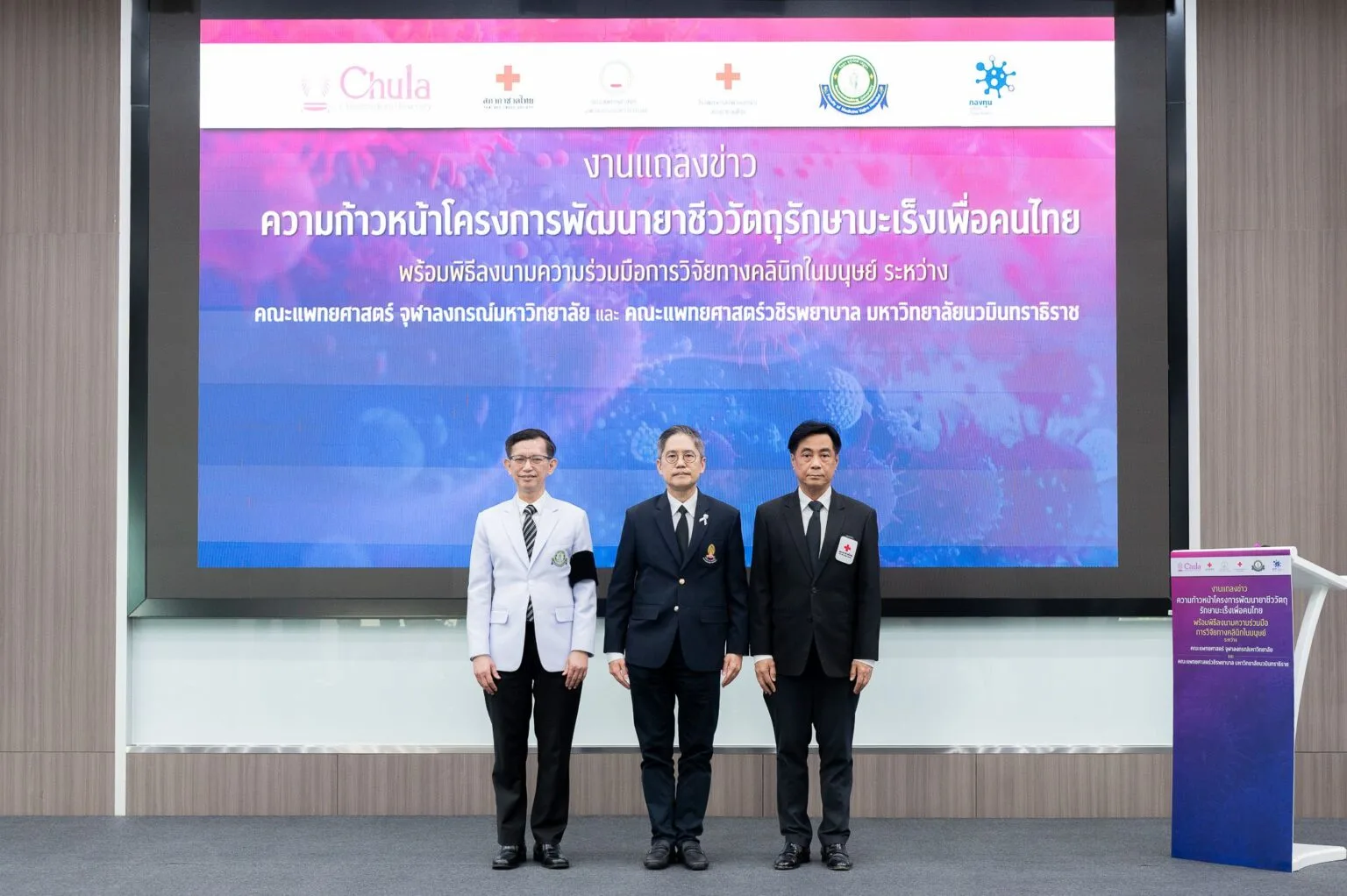
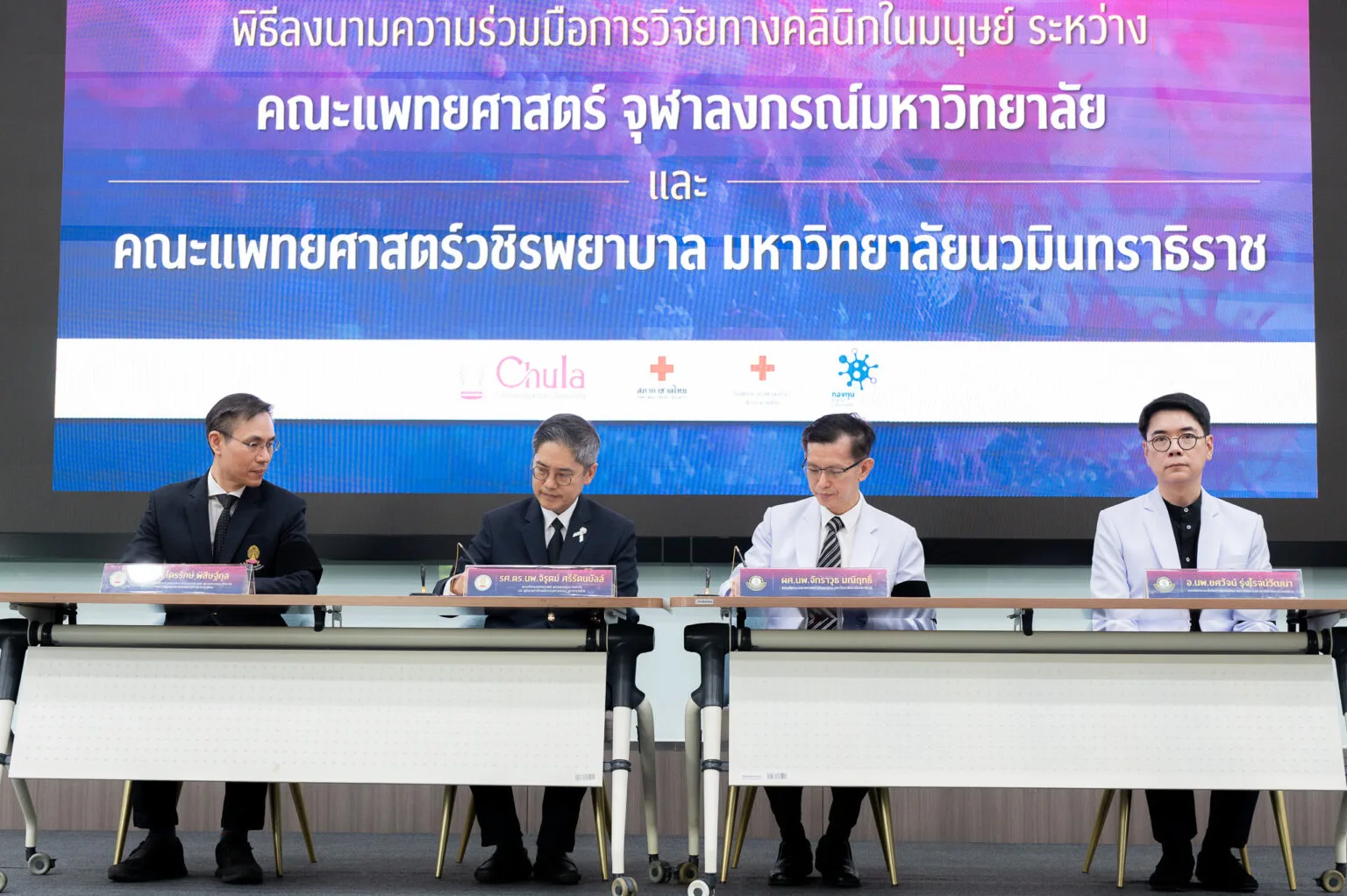
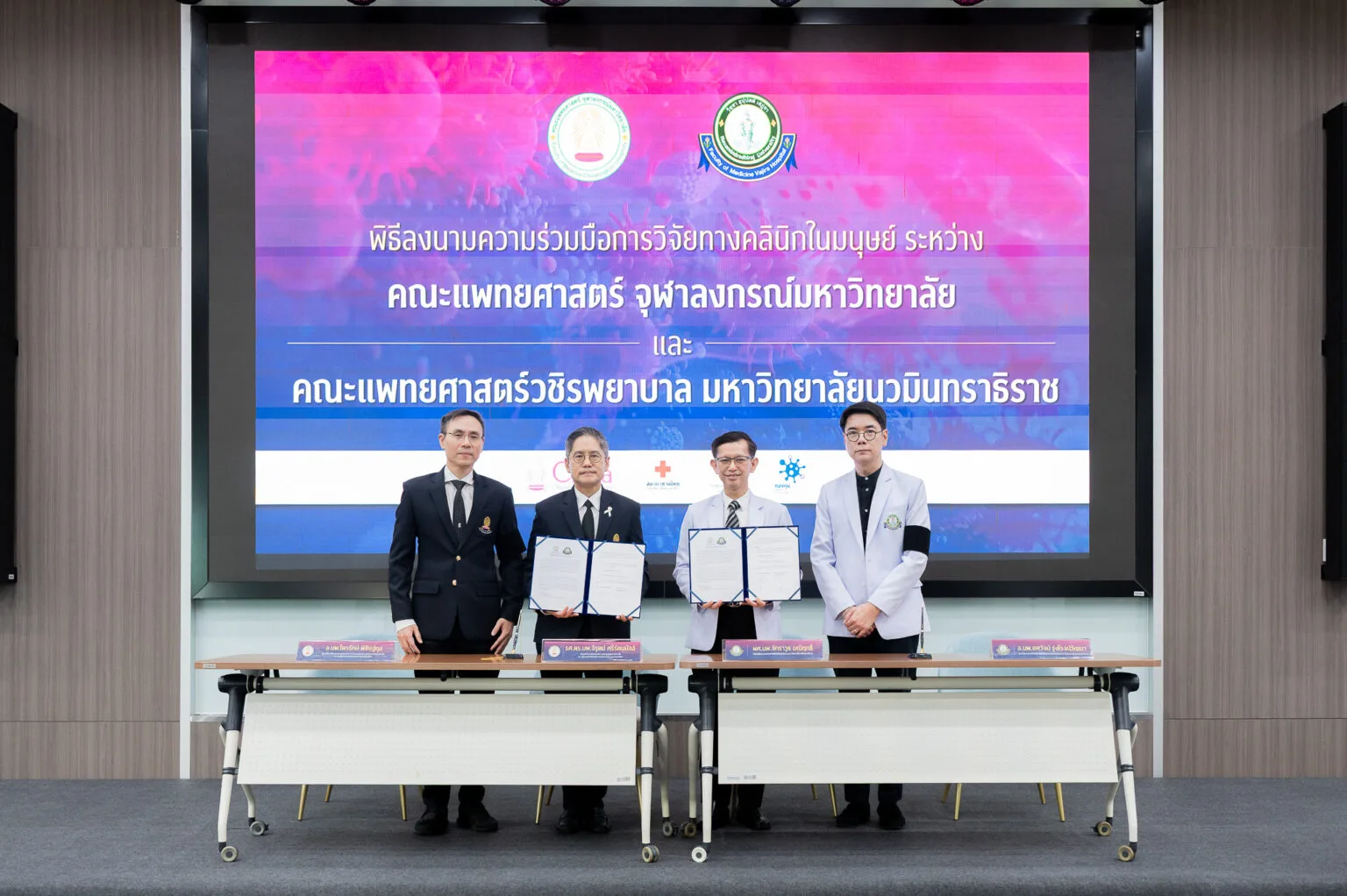
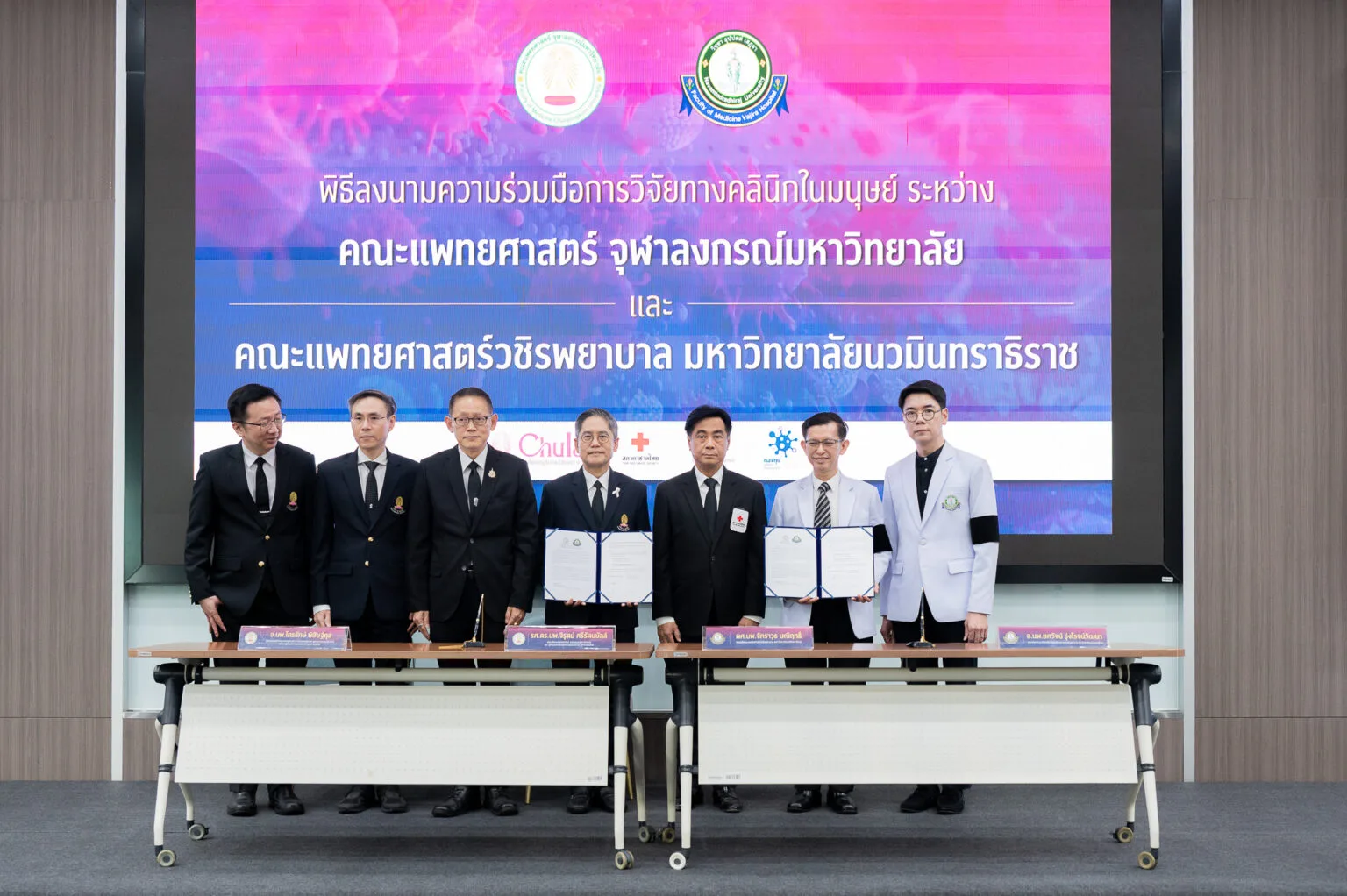
Chulalongkorn University, through its Faculty of Medicine, in collaboration with the Thai Red Cross Society and clinical partners, held a press conference to announce progress in the development of a biologic drug for cancer treatment for Thai patients. The event also included the signing of a collaboration agreement for human clinical research between the Faculty of Medicine, Chulalongkorn University, and the Faculty of Medicine, Vajira Hospital, Navamindradhiraj University. The event took place on April 20, 2026, at Chulalongkorn Hospital.

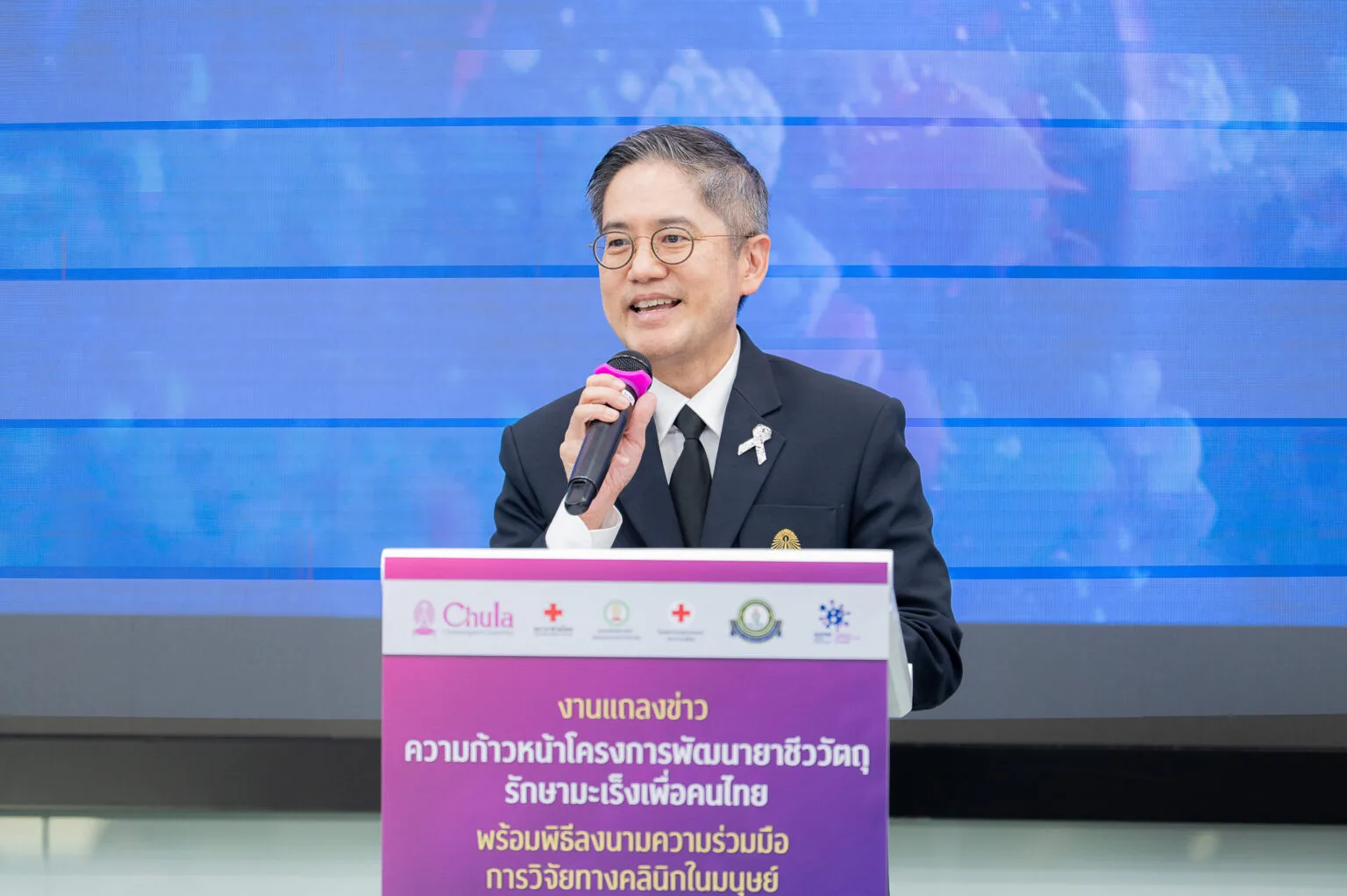
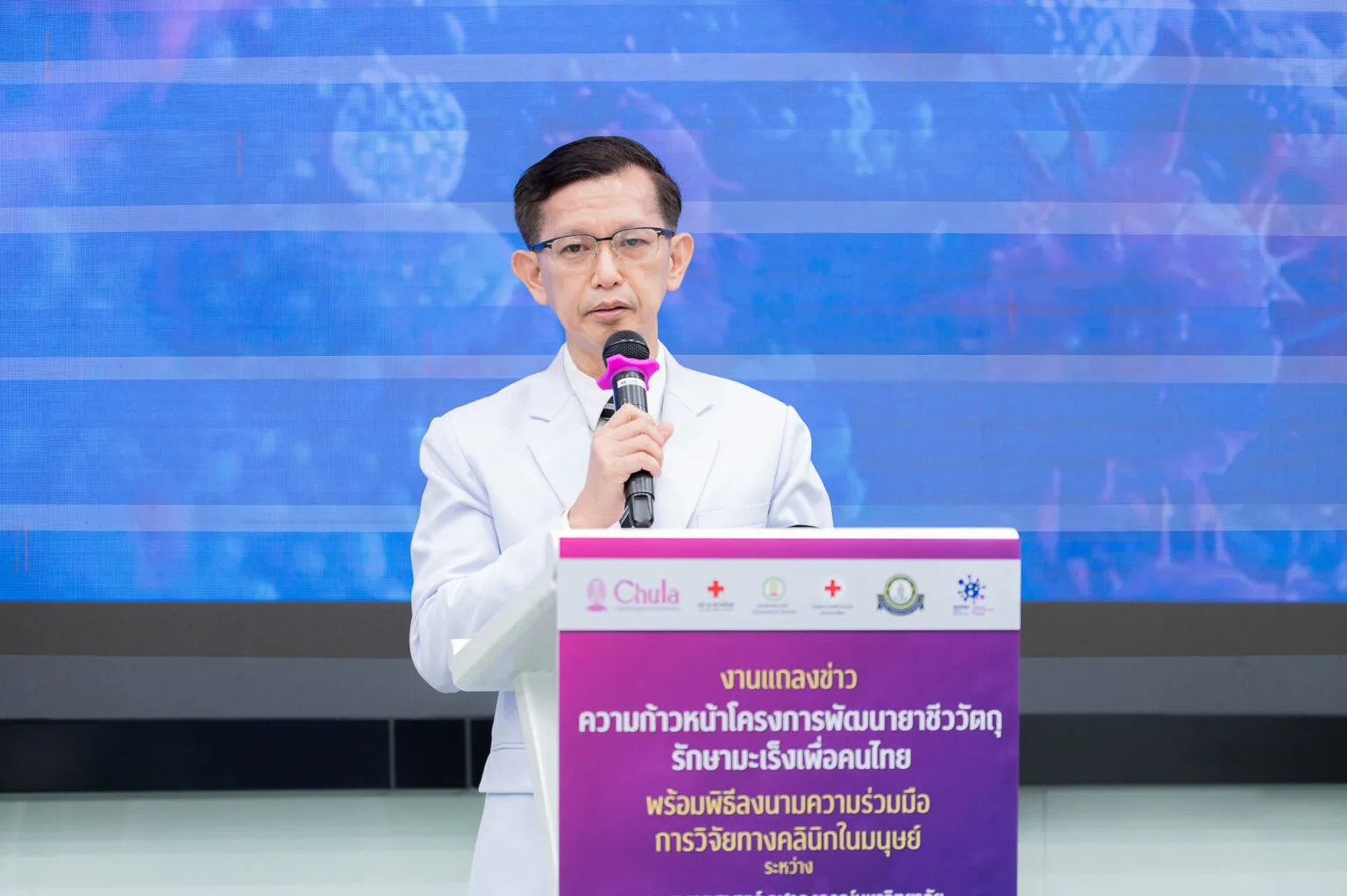
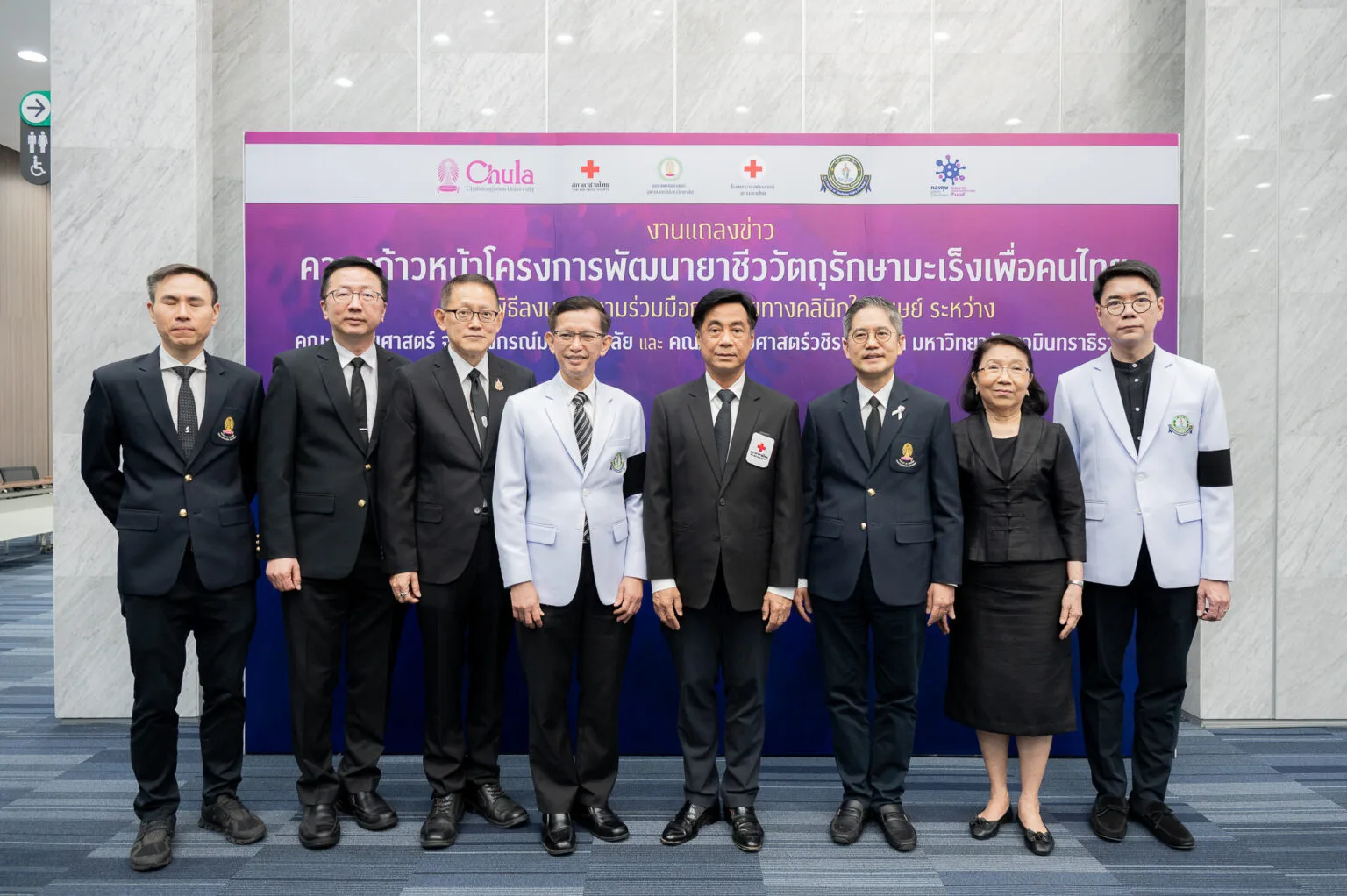
Assoc. Prof. Dr. Jiruth Sriratanaban, Dean of the Faculty of Medicine at Chulalongkorn University and Director of King Chulalongkorn Memorial Hospital, presided over the event. He emphasized that the project aims to reduce inequality in access to innovative cancer treatments and to translate Thai research into practical use within the national healthcare system.

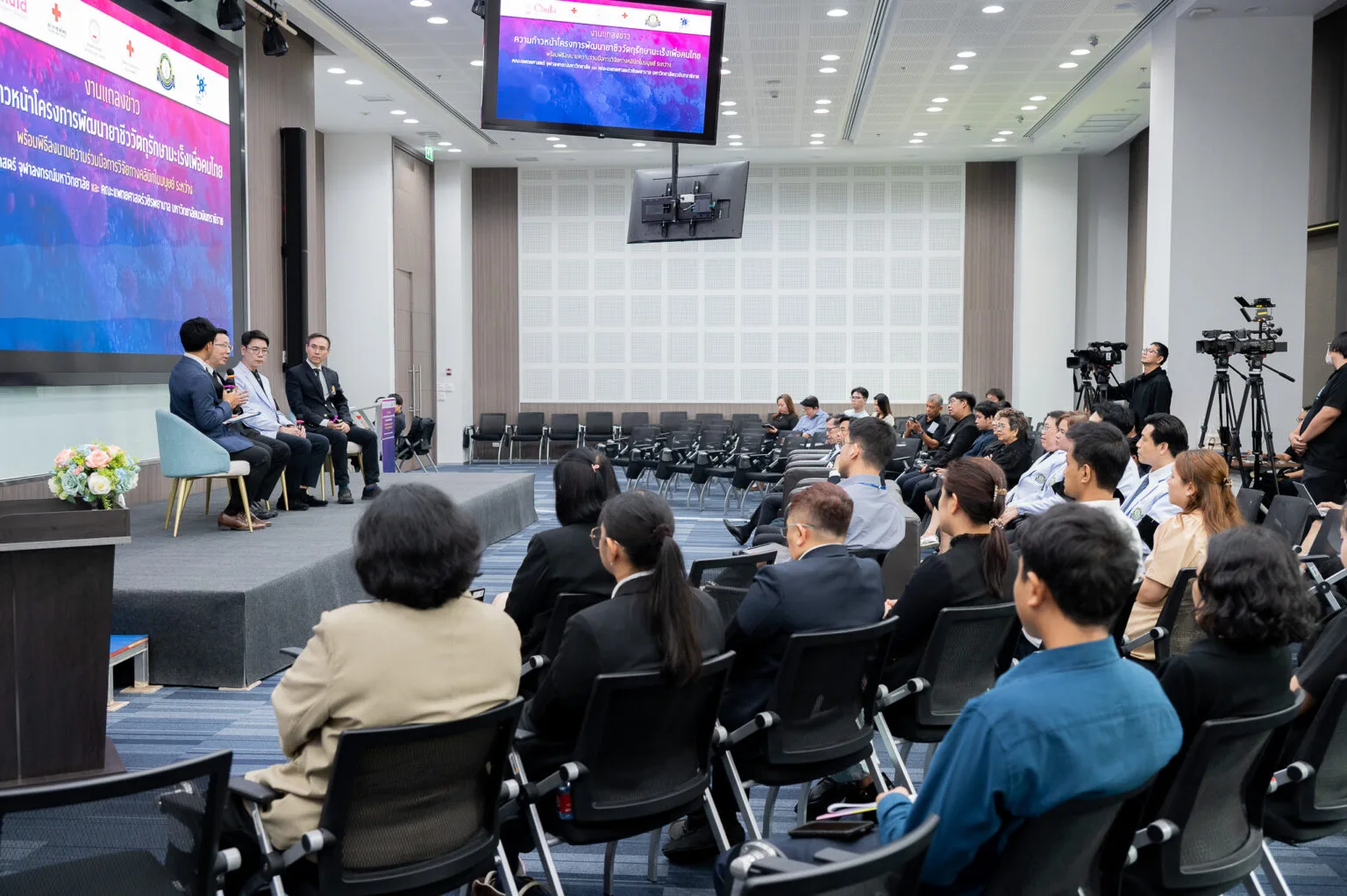
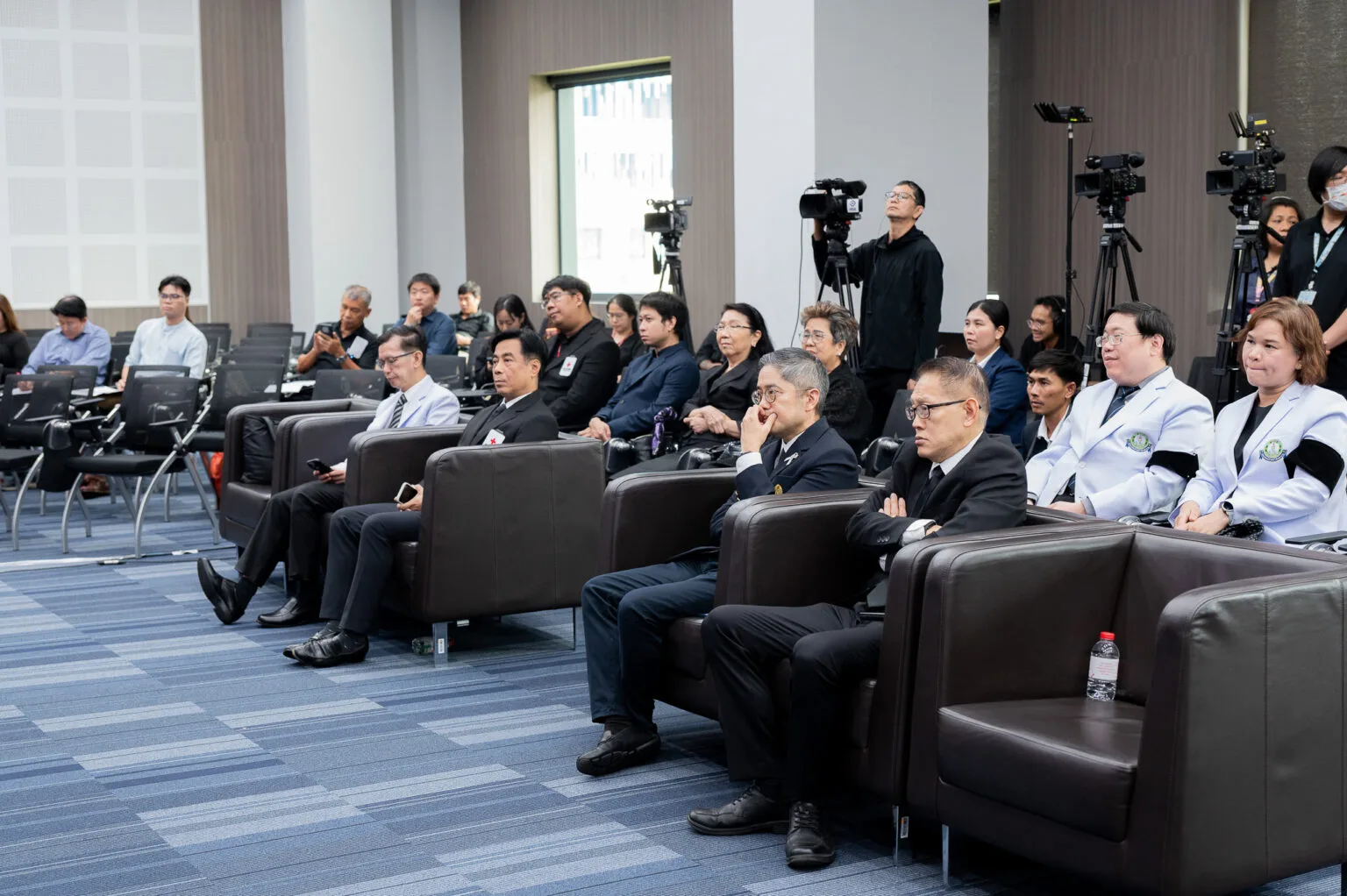
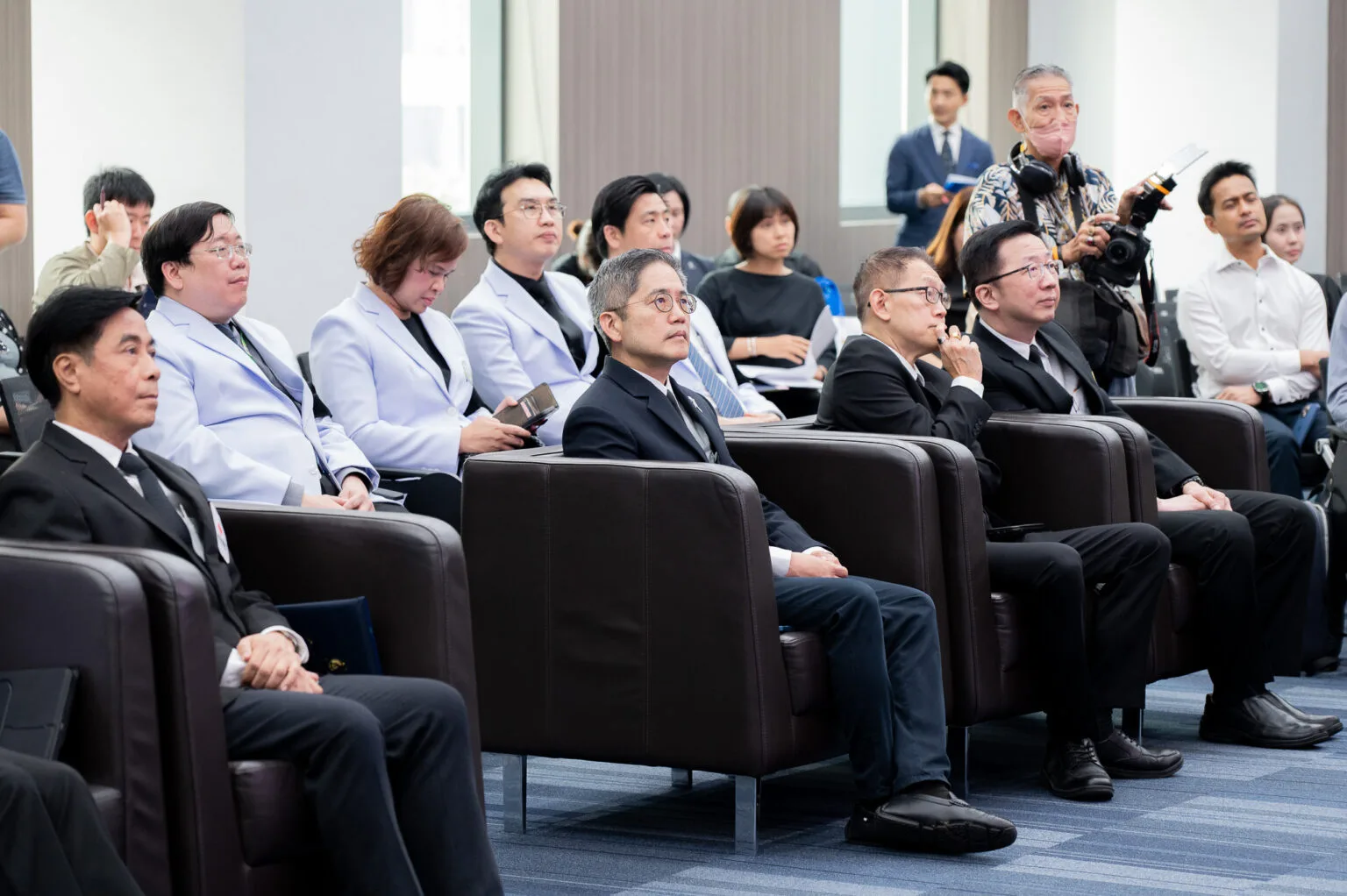
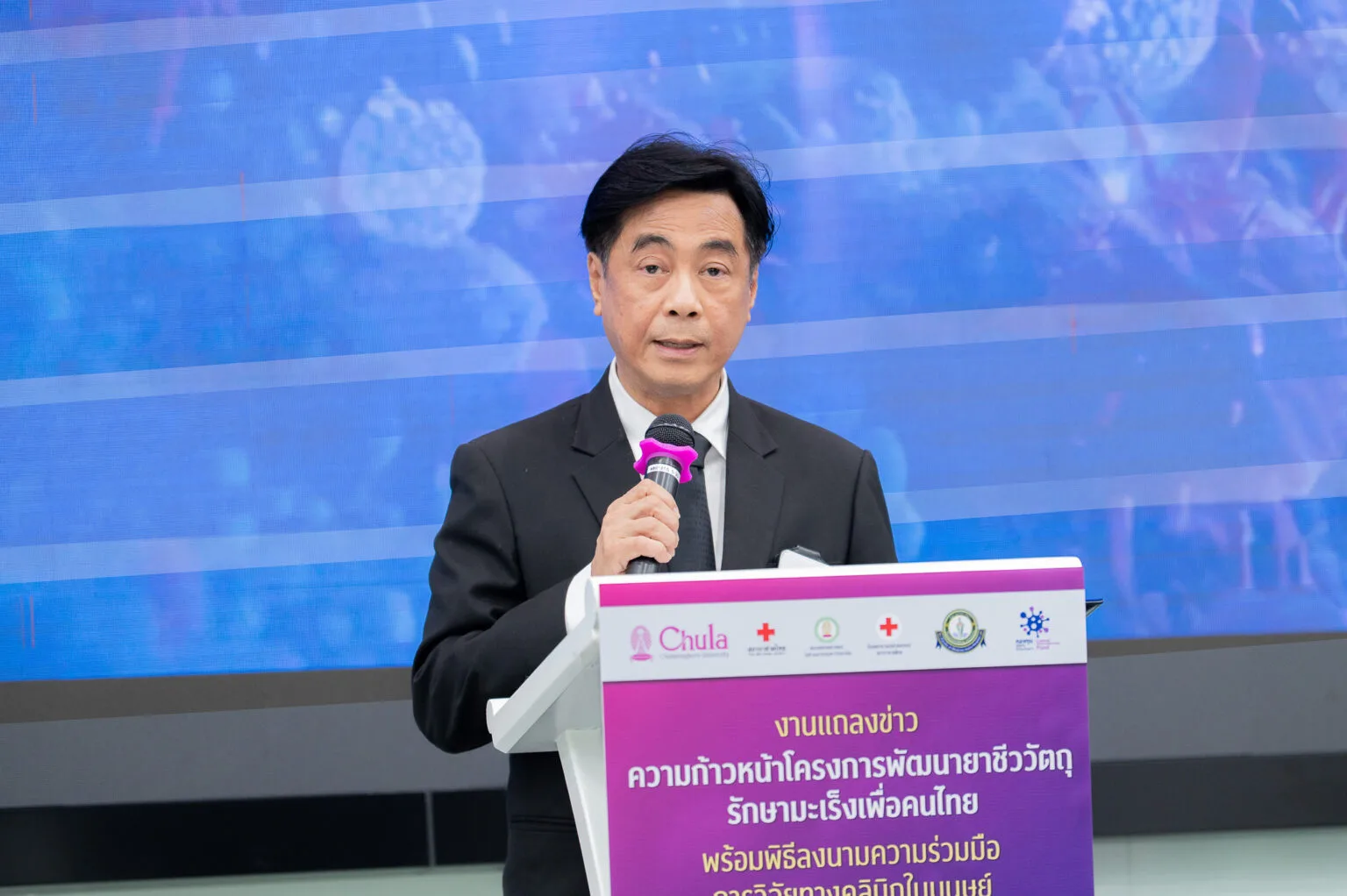
Prof. Dr. Suttipong Wacharasindhu, Assistant Secretary-General of the Thai Red Cross Society and Director of the Queen Saovabha Memorial Institute, highlighted the organization’s role in integrating research expertise from the Faculty of Medicine with its capabilities in biologics production and management. This collaboration aims to systematically advance research into human clinical trials and serve as a model for inter-agency cooperation to improve equitable access to treatment.
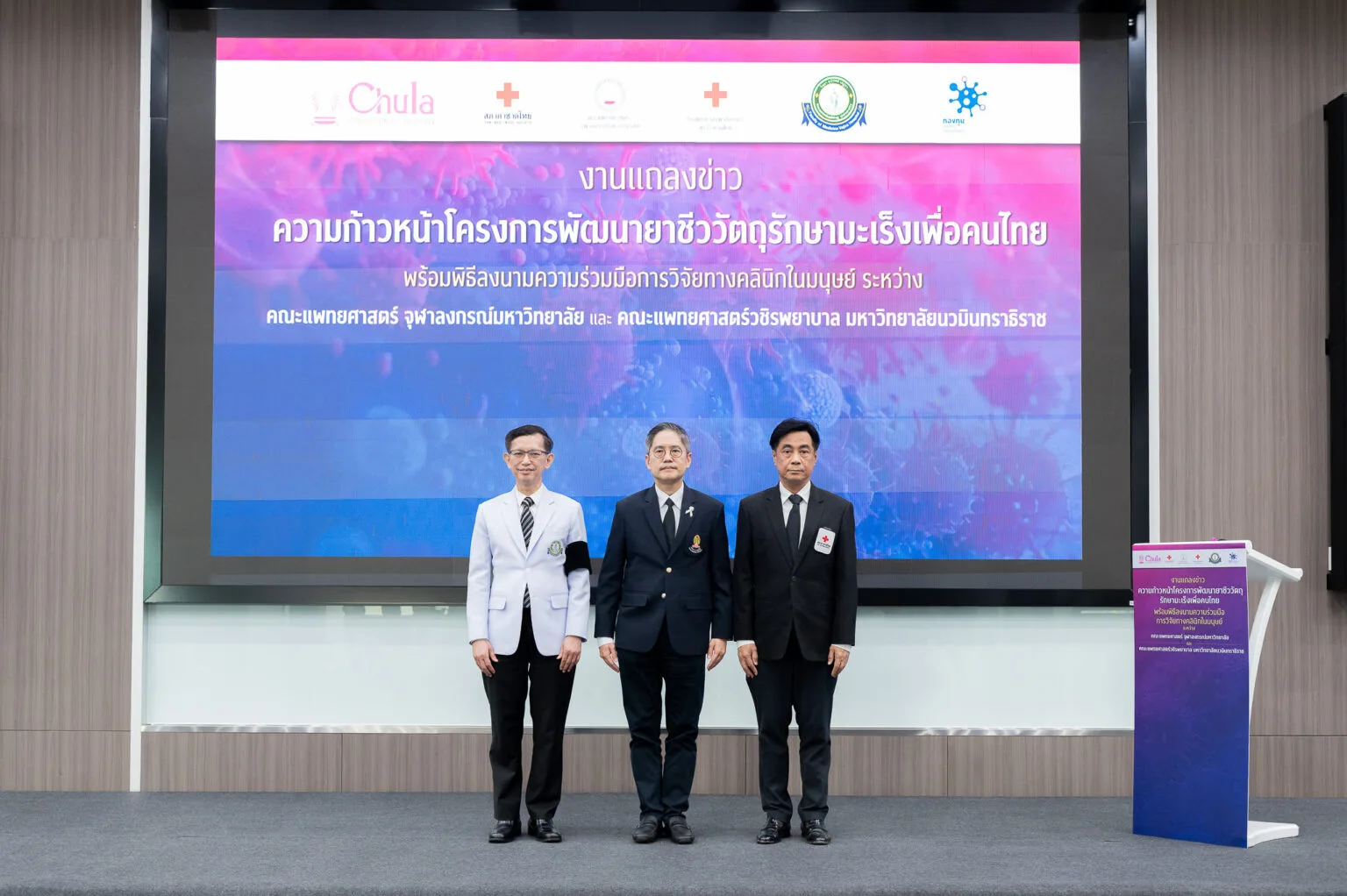
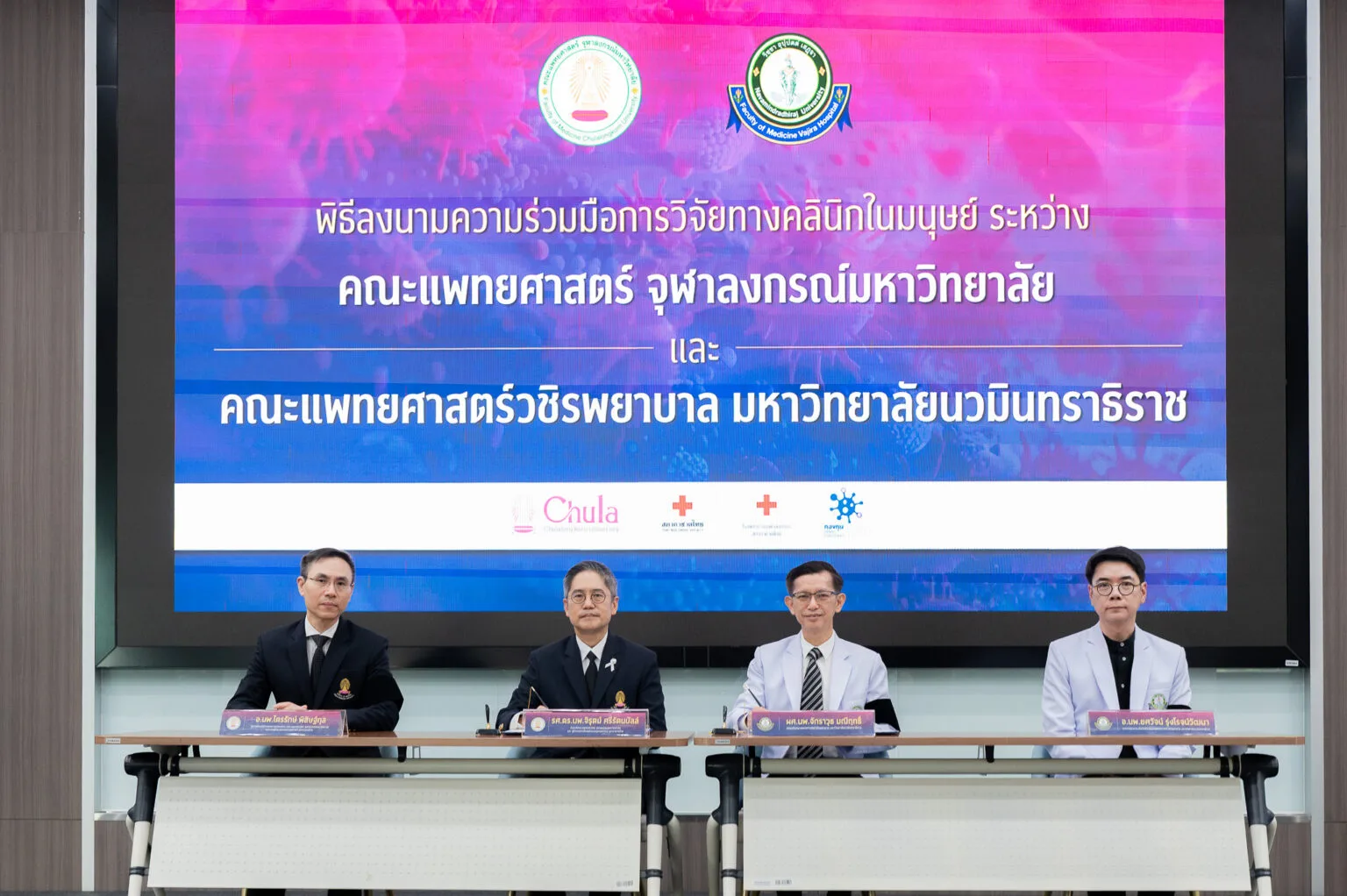
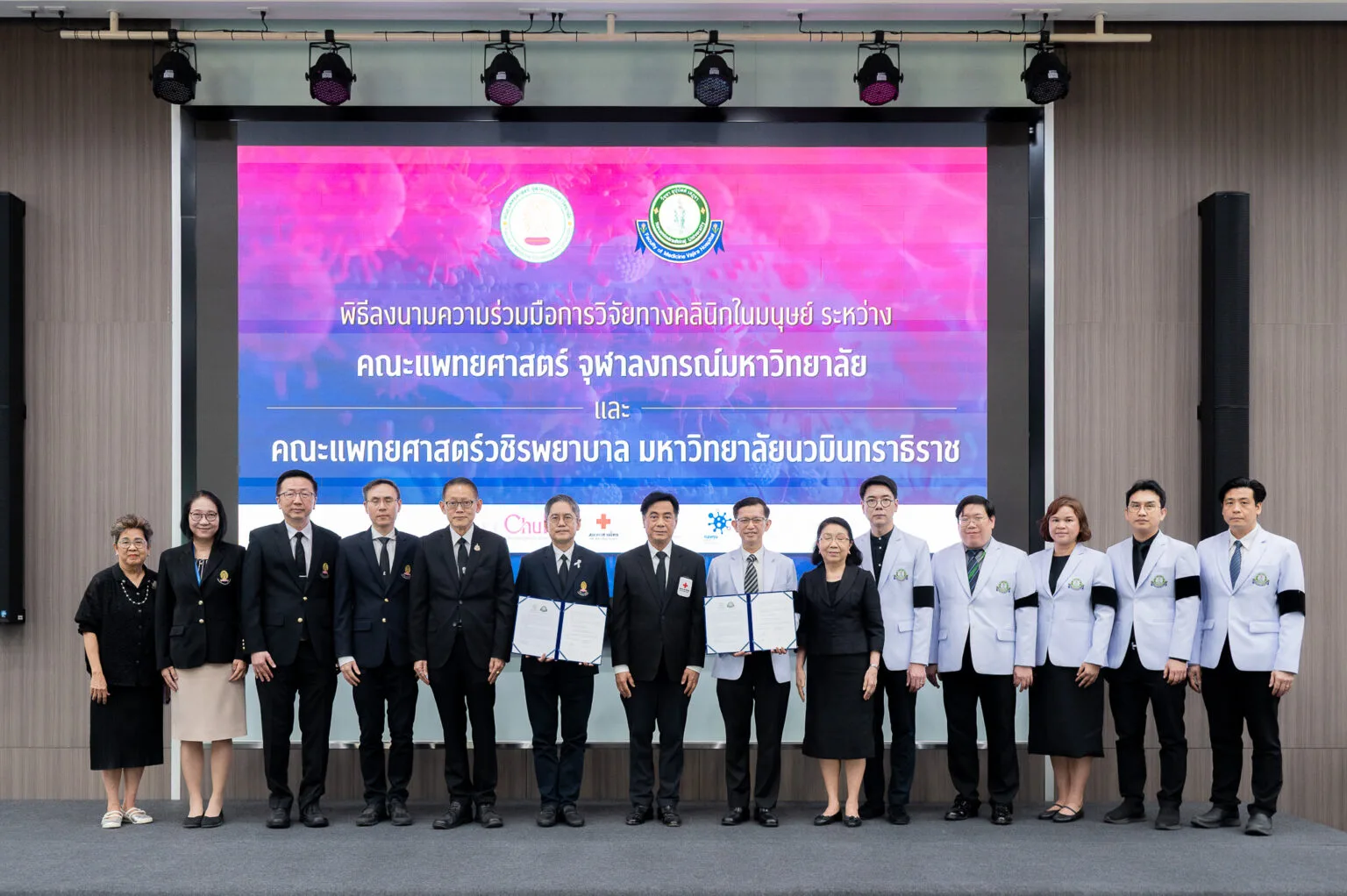
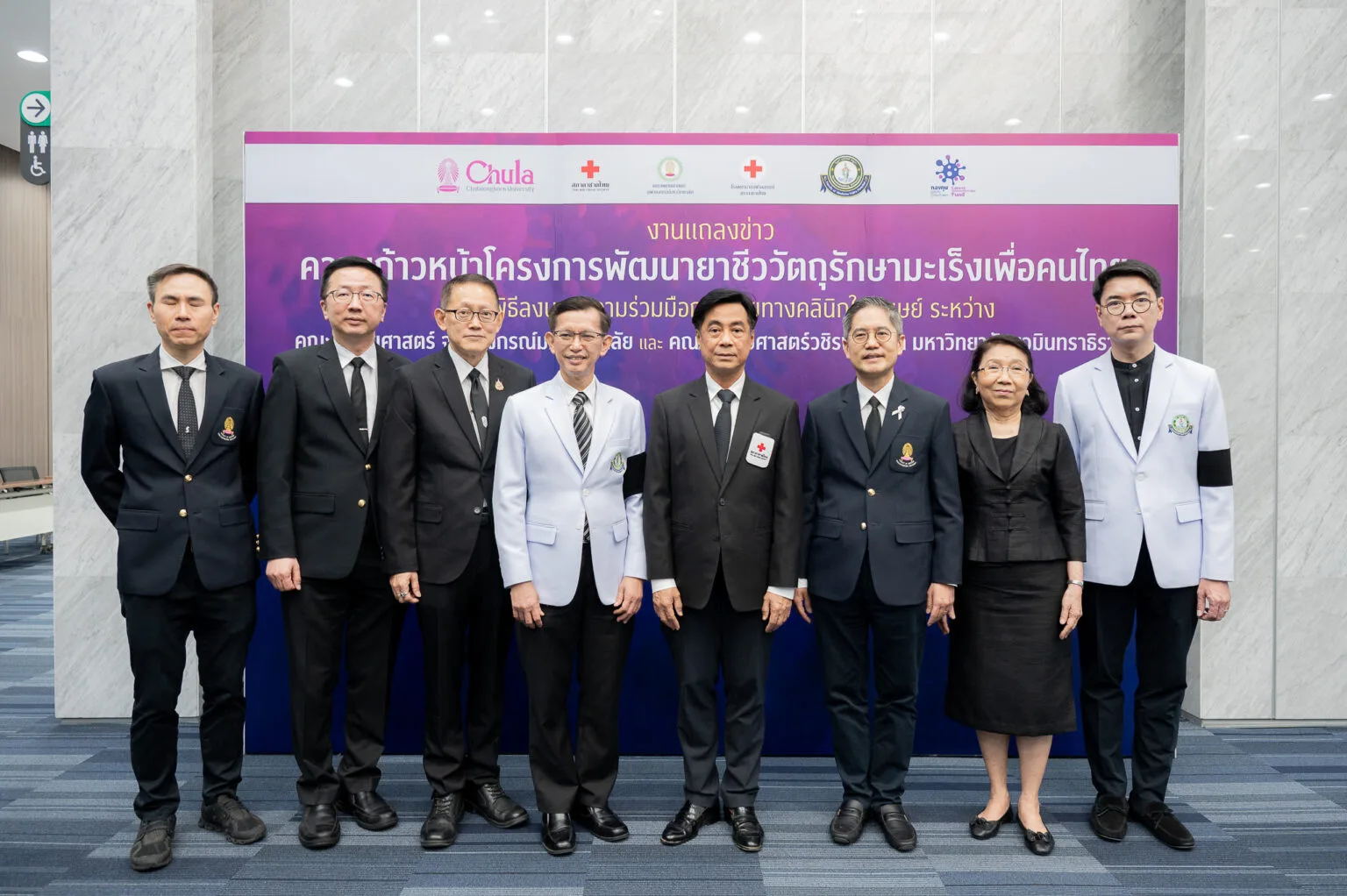
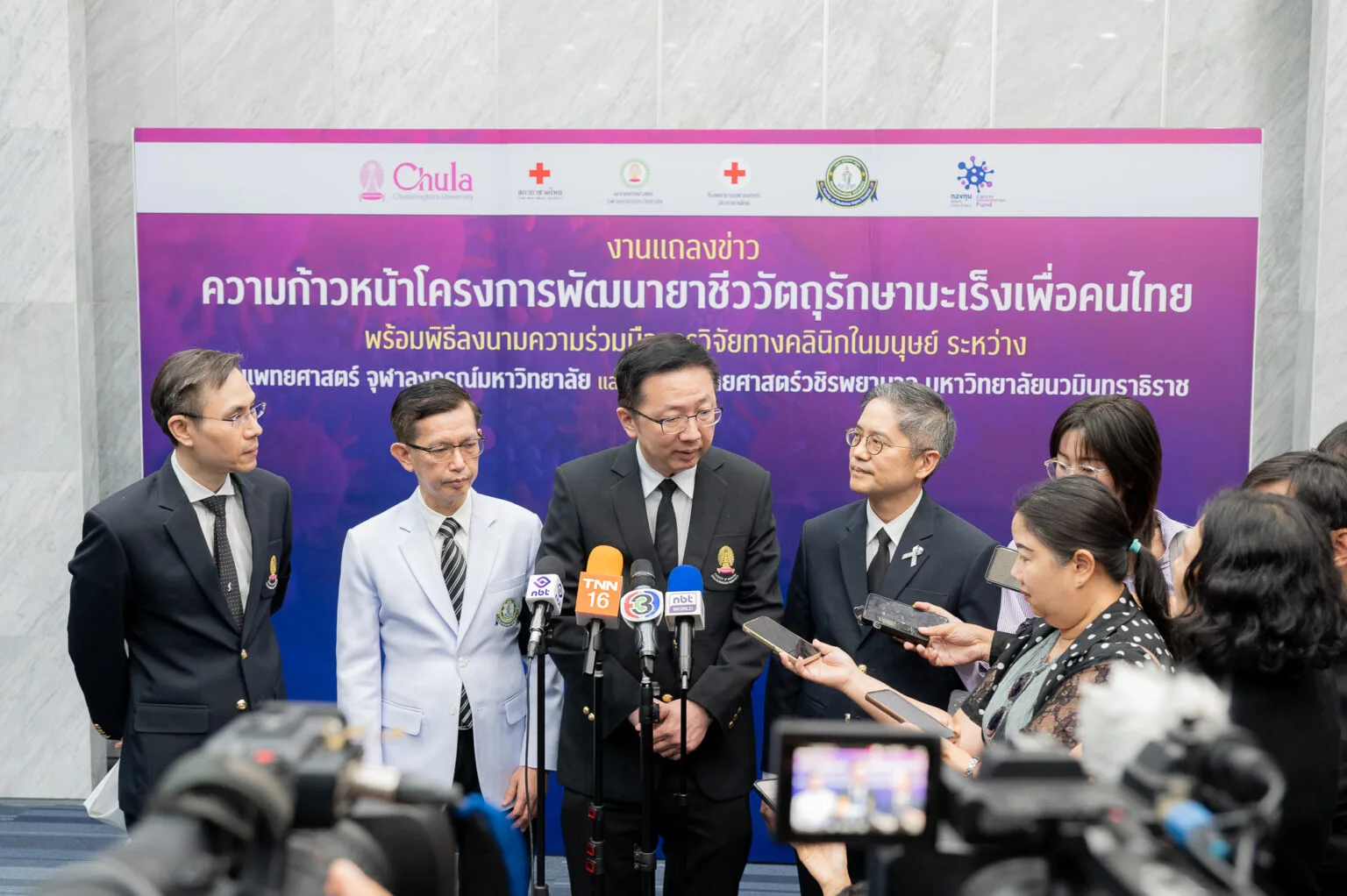
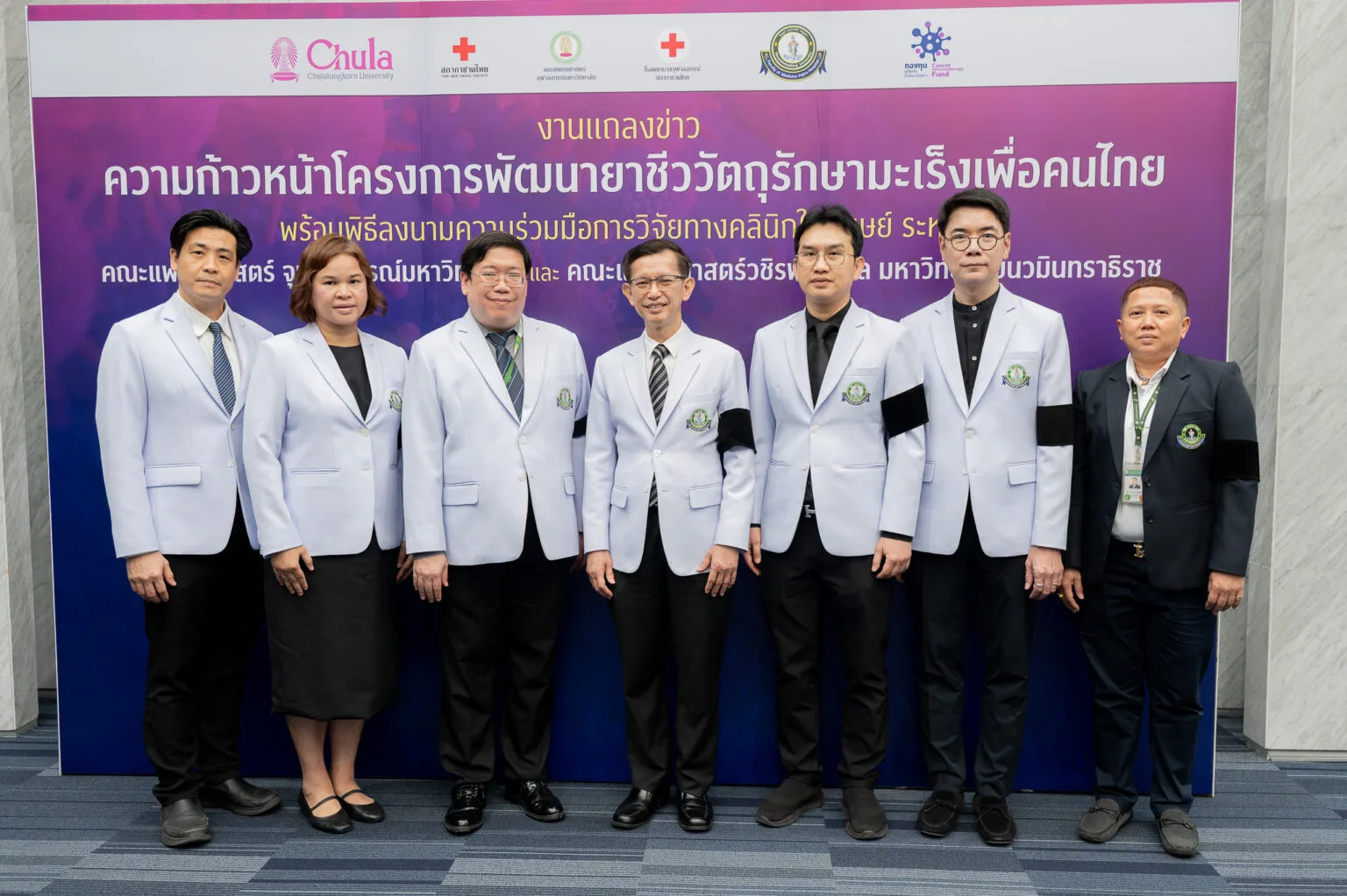
Assoc. Prof. Dr. Chakrawut Maneerit, Dean of the Faculty of Medicine, Vajira Hospital, noted that Vajira Hospital supports its personnel and infrastructure to translate laboratory research into clinical studies in real patients under high standards of safety and data quality. This marks an important step in combining knowledge to improve access to effective medical innovations for Thai patients.
A key segment of the event presented progress in the biologic cancer drug development project by Thai researchers, along with readiness for human trials. The project is currently undergoing ethical approval for human research and is expected to begin recruiting participants within approximately three months. The initial phase will focus on lung cancer patients with high PD-L1 protein expression to increase the likelihood of treatment response. Participants will receive treatment free of charge under close medical supervision and standard evaluation procedures. The initial study aims to enroll 20 patients before expanding further.
Currently, such biologic drugs cost approximately 80,000–100,000 baht per treatment cycle and are not widely covered by most health insurance schemes, limiting access for many patients. Domestic development aims to reduce costs, improve accessibility, and eventually include the drug in Thailand’s National List of Essential Medicines. In terms of effectiveness, immunotherapy can significantly extend survival compared to conventional treatments—some patients live beyond 2 years, and others up to 5 years.
The project not only aims to develop innovative treatment but also to strengthen drug security, reduce inequality, and expand long-term access to cancer care for Thai people.
The event concluded with the signing of a letter of intent for collaboration on biologics research in Thai patients between the two medical faculties, marking a concrete step toward advancing Thai research into human clinical trials.
Assoc. Prof. Dr. Jiruth reiterated that the collaboration seeks to sustainably improve access to effective cancer treatments in Thailand. Cancer remains a leading cause of death and a heavy burden, especially due to the high cost of imported innovative drugs. While immunotherapy significantly improves survival, cost and accessibility remain challenges. This project focuses on domestic research and production through multi-sector collaboration and public support to ensure equitable access and strengthen Thailand’s long-term capabilities in biologics.
Prof. Dr. Suttipong added that the Thai Red Cross Society has long supported the country’s healthcare system, particularly in developing and providing essential biologic products. This collaboration builds on existing strengths by integrating research expertise with production and management systems, creating a mechanism to translate research into practical use efficiently and sustainably.
Assoc. Prof. Dr. Chakrawut emphasized that this multi-sector collaboration aims to address the high cost of innovative drugs, especially for lung cancer patients who require biologics as a global standard of care. Vajira Hospital plays a key role in conducting early-stage clinical trials under strict standards before expanding further.
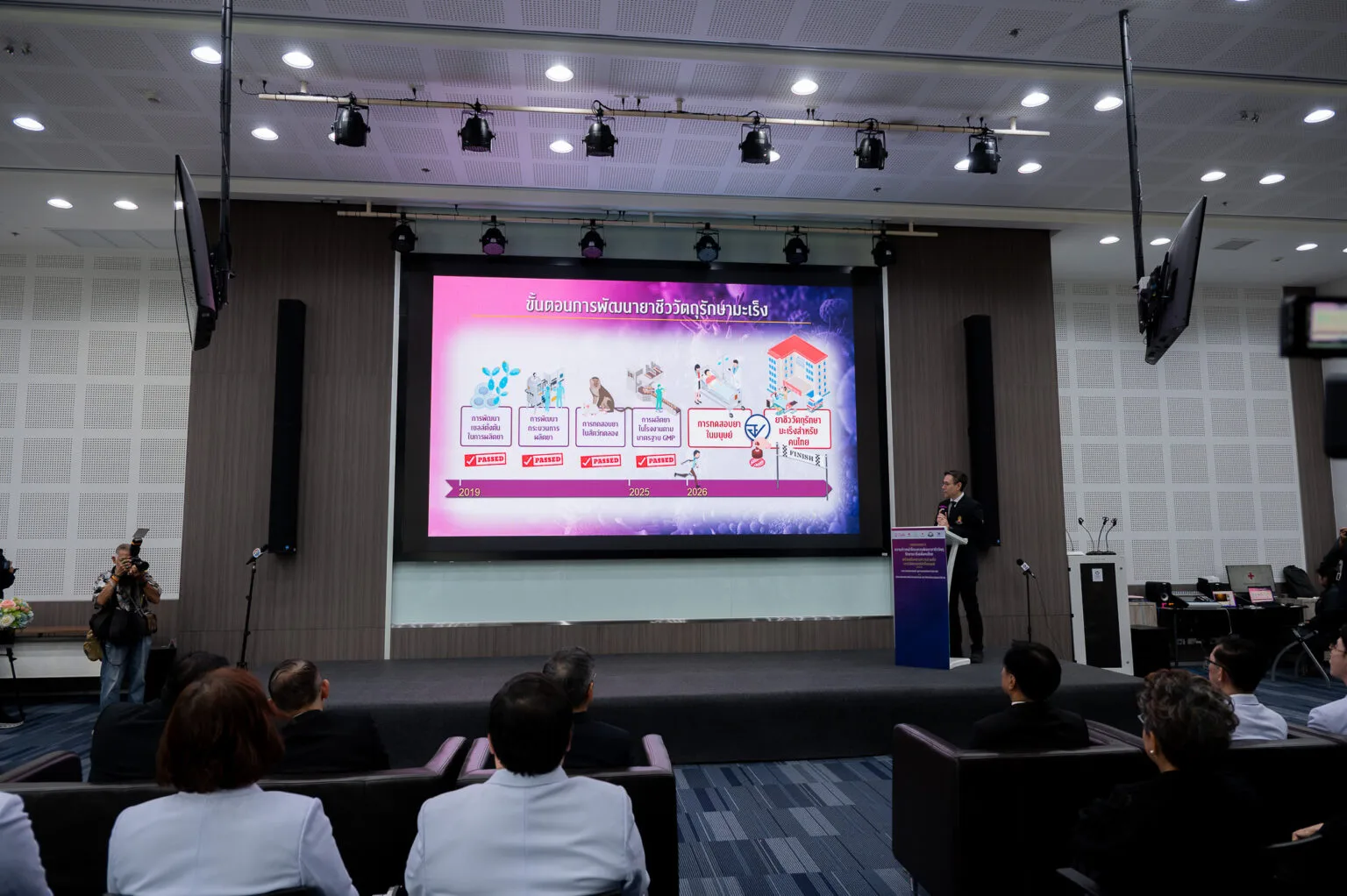
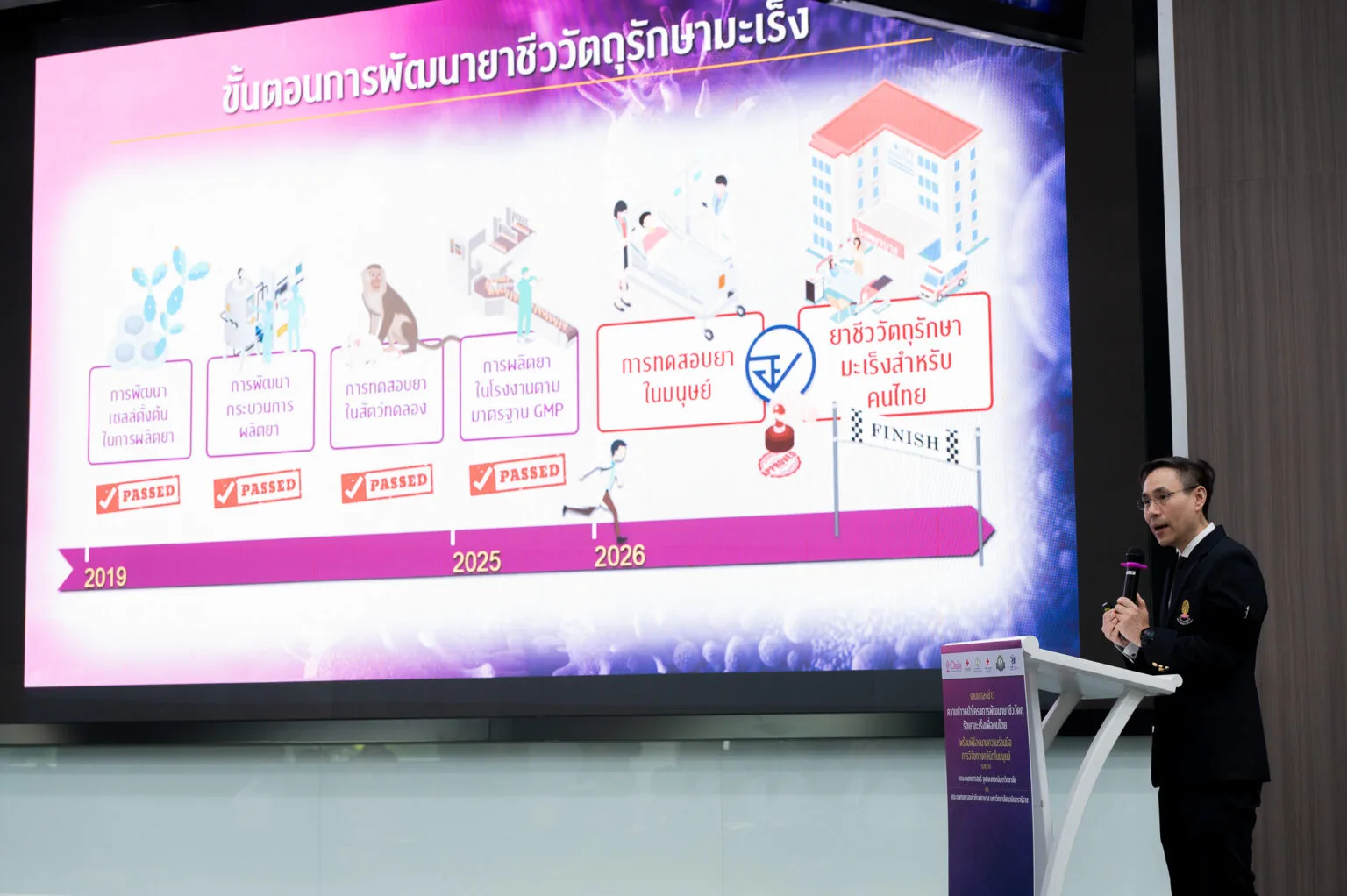
Dr. Trairak Pisitkul, Assistant Dean for Organizational Strategy at the Faculty of Medicine, Chulalongkorn University, and Deputy Director of the Queen Saovabha Memorial Institute, explained that the project began with the goal of developing accessible cancer biologics for Thai people. Over several years, the research team has progressed from developing cell lines and designing production processes to scaling up to industrial-level manufacturing, despite resource limitations.
A major milestone is that the team has successfully developed a biologic cancer drug meeting GMP standards and completed formulation into a finished pharmaceutical product in collaboration with the Thai Red Cross Society. Quality analysis shows the product meets required standards, and further testing is underway to confirm equivalence with imported drugs. Plans for human clinical trials are in place to evaluate safety and efficacy.
“This project is created by Thai people, for the Thai people. Support from all sectors, especially the public, has been crucial in bringing the project to this point. We hope it will benefit all Thai patients in the long term,” Dr. Trairak said.
Looking ahead, after human trials, the project aims to support the appropriate integration of the drug into Thailand’s healthcare system under regulatory frameworks. This collaboration serves as a model for biologics development in Thailand, integrating knowledge, resources, and cross-sector cooperation to enhance treatment and national health security in the long run.