Chulalongkorn University Hosts Public Lecture on Ocean Justice
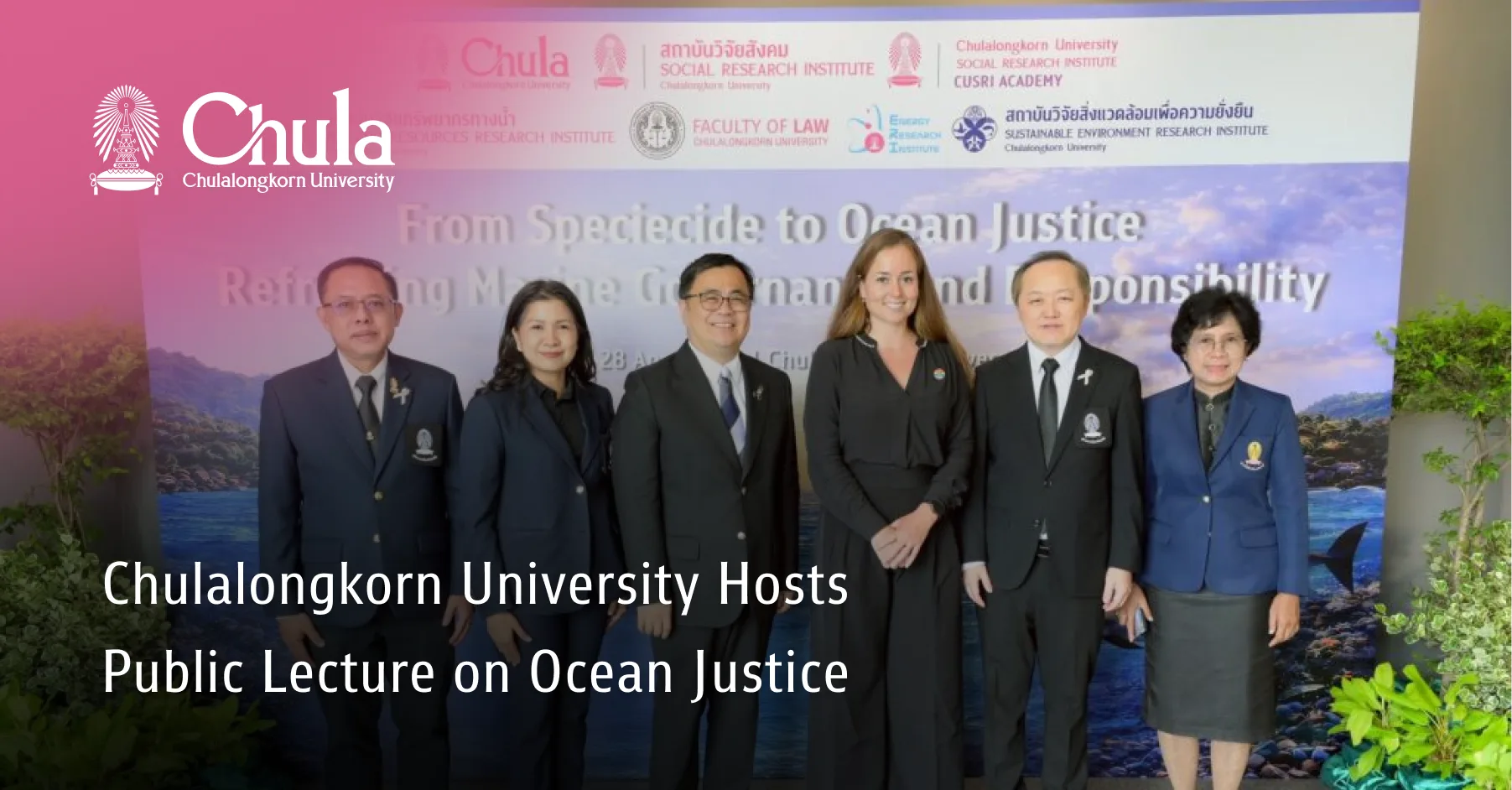
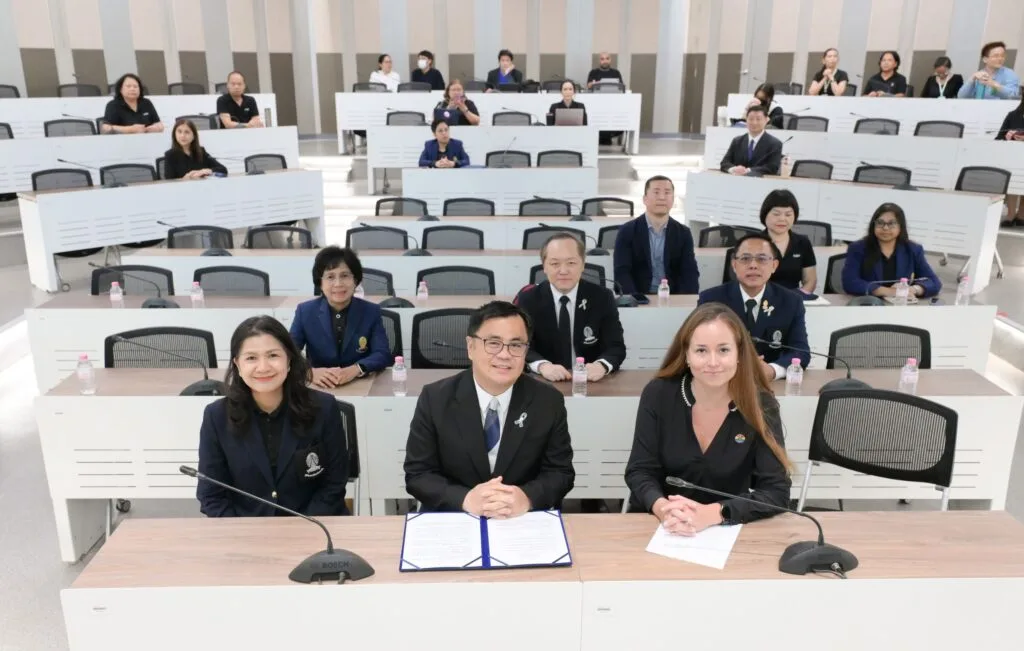
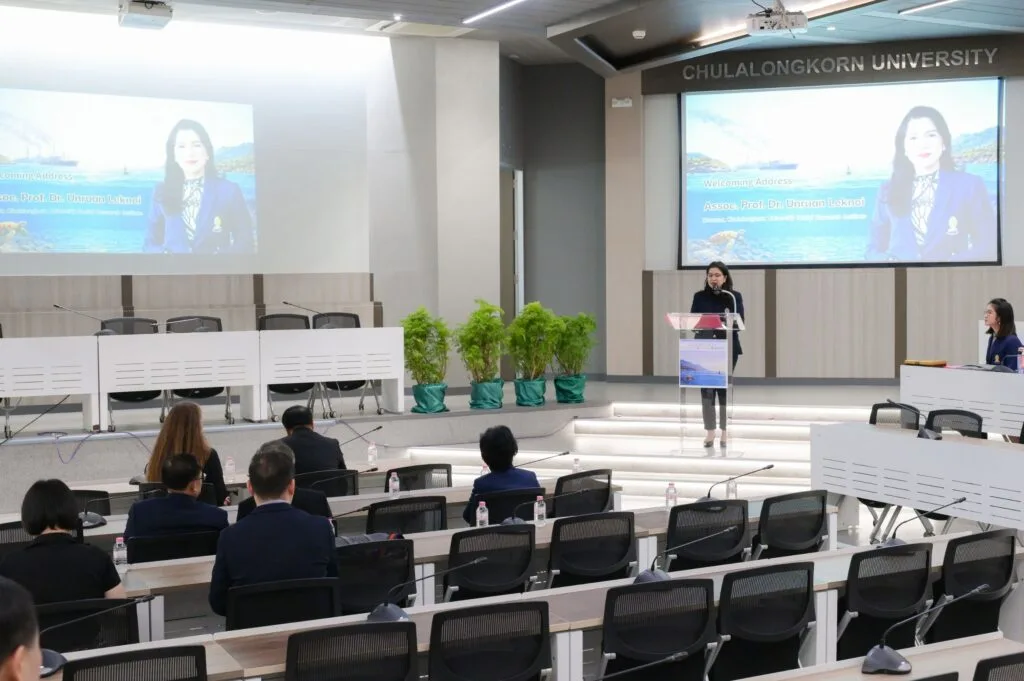
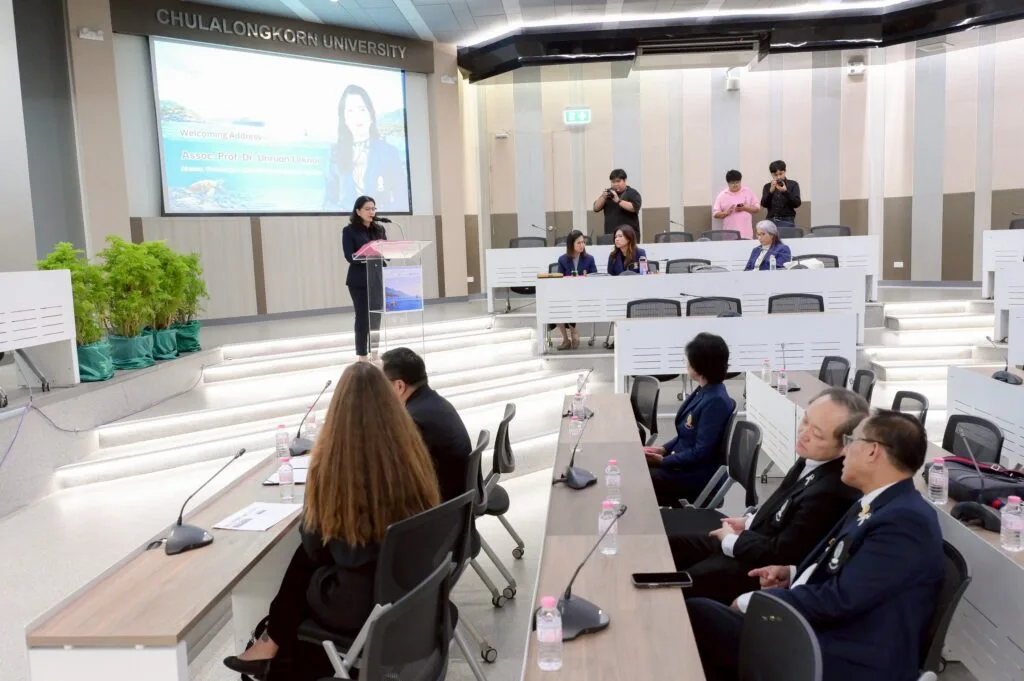
The Social Research Institute of Chulalongkorn University, through CUSRI Academy, in collaboration with the Aquatic Resources Research Institute, Faculty of Law, Energy Research Institute, and the Sustainable Environment Research Institute, organized a public lecture titled “From Speciecide to Ocean Justice: Reframing Marine Governance and Responsibility” on April 28, 2026. The event took place at the Chumphot-Pantip Conference Room, Prajadhipok–Rambhai Barni Building, Chulalongkorn University. The opening remarks were delivered by Prof. Dr. Wilert Puriwat, President of Chulalongkorn University, with a report presented by Assoc. Prof. Dr. Unruan Leknoi, Director of the Social Research Institute.
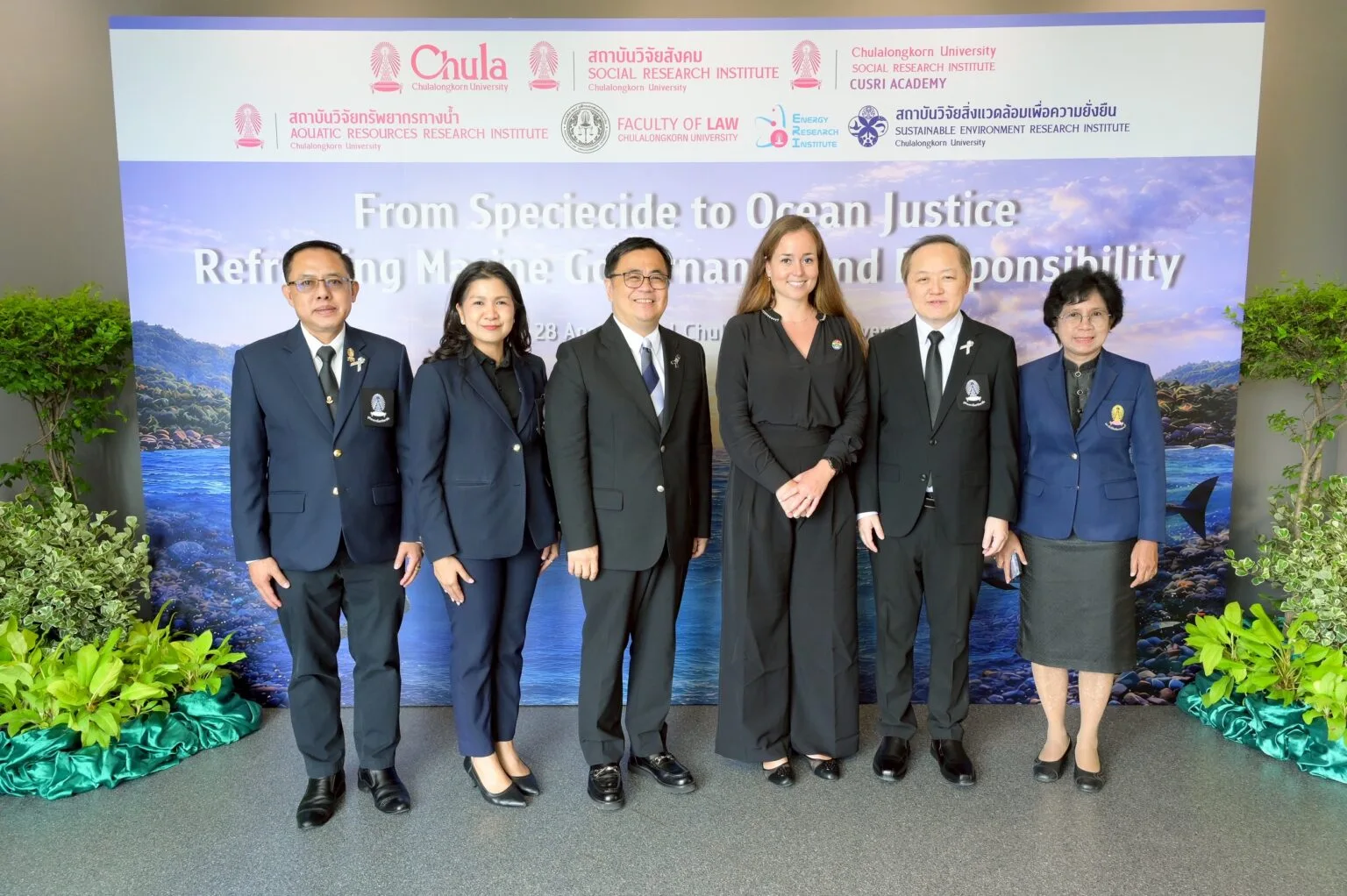
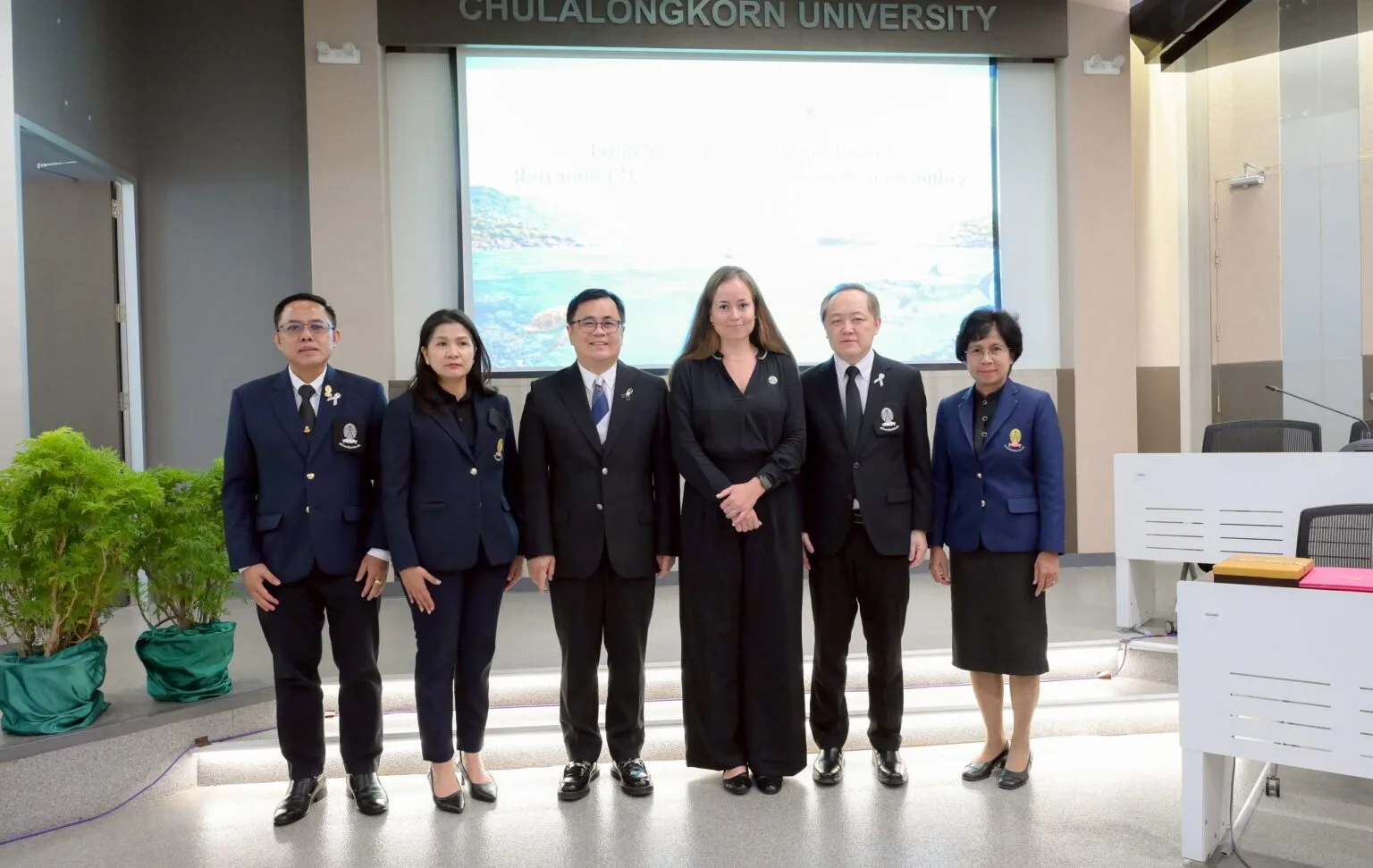
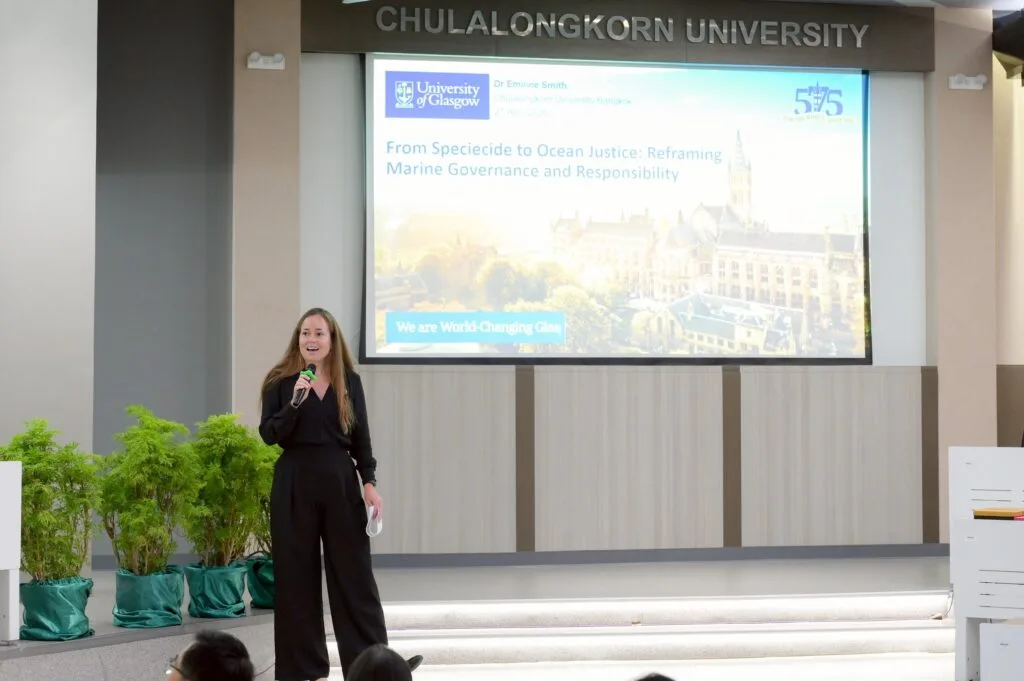
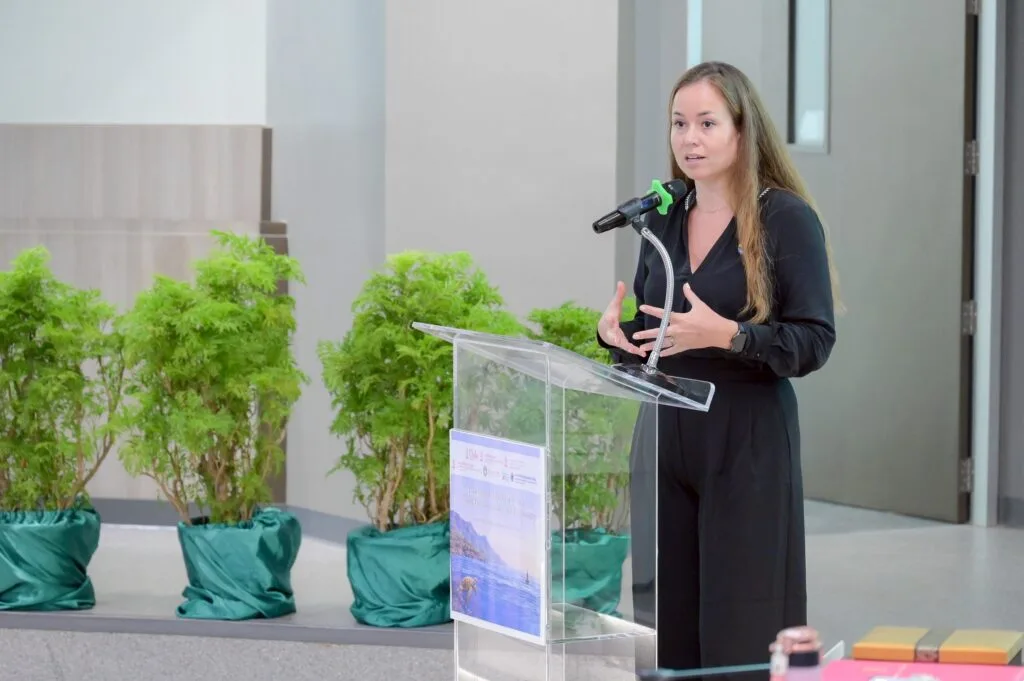
The keynote speaker was Dr. Emiline C. H. Smith, Lecturer in Criminology at the Scottish Centre for Crime & Justice Research and Director of Internationalization for the School of Social & Political Sciences at the University of Glasgow. She shared insights from criminology, environmental studies, and marine governance, encouraging the audience to reconsider the meanings of “victims” and “justice” in the context of the ocean.
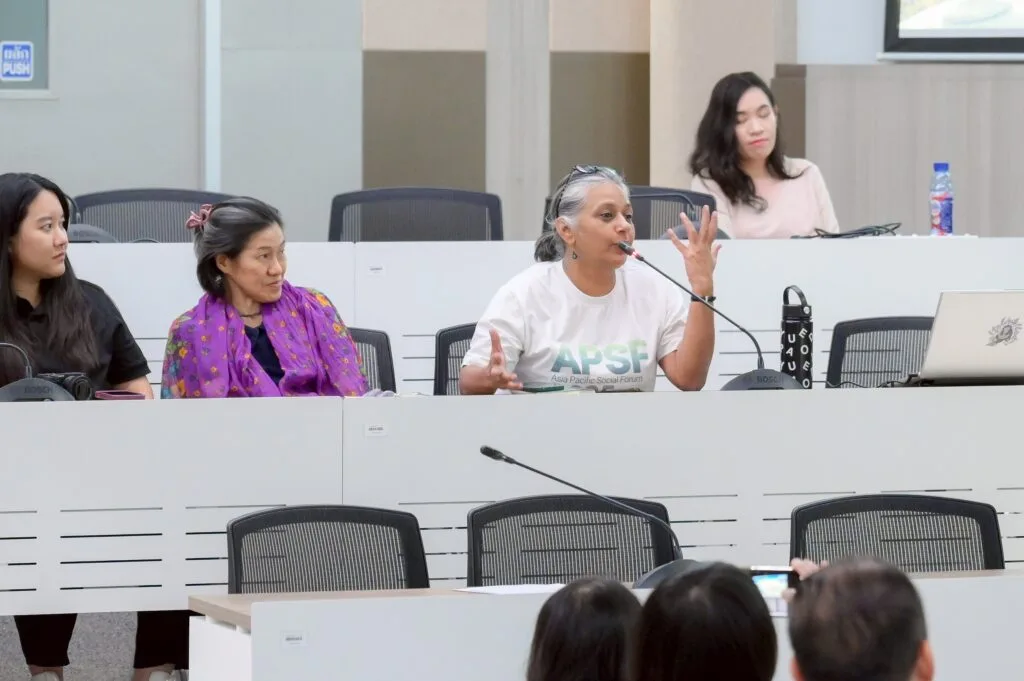
The lecture was attended by faculty members, researchers, students, and interested participants from both within and outside the university who actively engaged in discussions and exchanges of ideas.
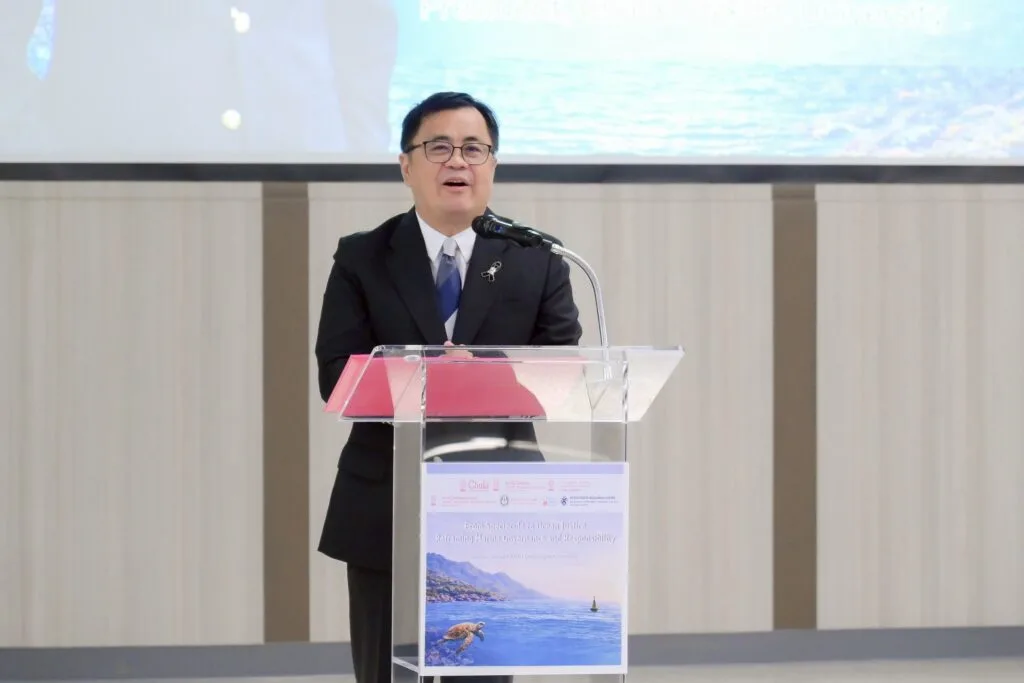
President, Chulalongkorn University
Prof. Dr. Wilert Puriwat noted that ocean justice is an increasingly important issue, as the ocean is not merely an economic resource but is deeply connected to global systems, sustainability, and humanity’s shared responsibility. Chulalongkorn University aims to promote meaningful knowledge for society, support interdisciplinary dialogue, and advance ideas that lead to tangible change, fostering a comprehensive and sustainable understanding of the relationship between humans and ecosystems.
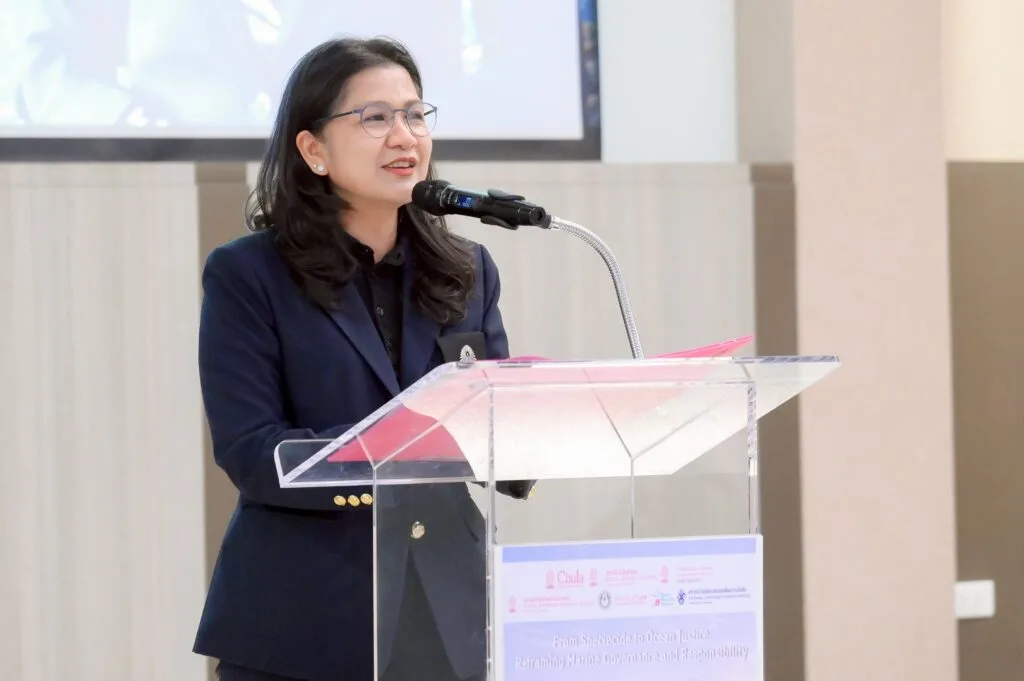
Director, Social Research Institute, Chulalongkorn University
Assoc. Prof. Dr. Unruen Leknoi added that the lecture aimed to integrate interdisciplinary knowledge and address global challenges by using the ocean as a central theme. The initiative brought together legal, social, and environmental perspectives by engaging multiple university units, creating a platform for knowledge exchange with real societal impact while fostering international collaboration and participation.
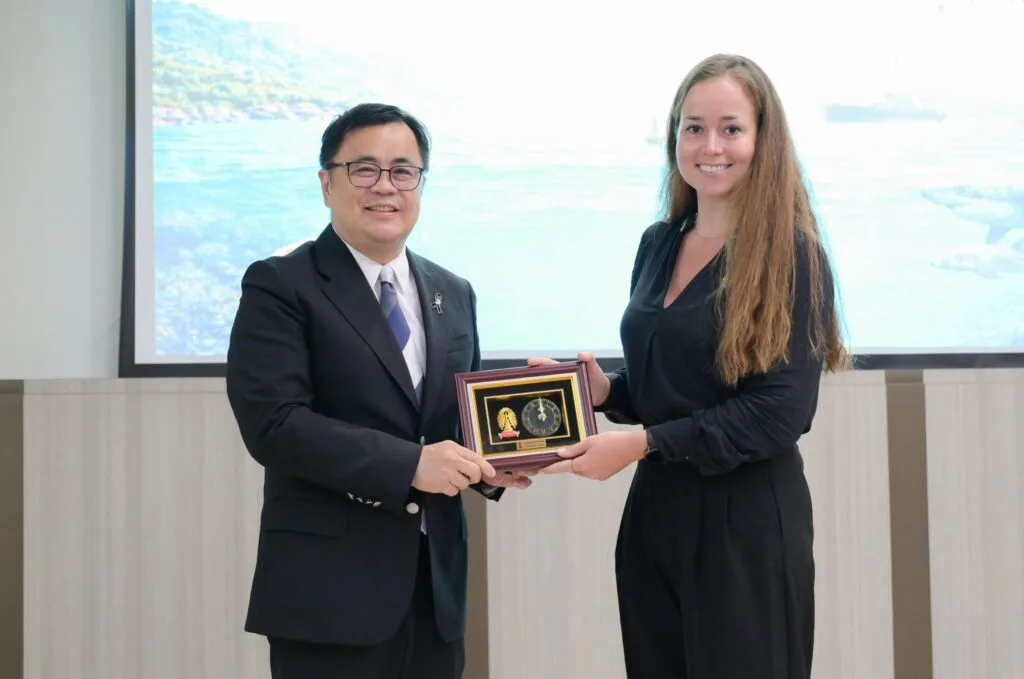
Dr. Emiline C. H. Smith, Lecturer in Criminology, Scottish Centre for Crime & Justice Research and Director of Internationalization, School of Social & Political Sciences, University of Glasgow
Dr. Emiline C. H. Smith emphasized that the ocean should not be viewed solely as a resource for human use but as a living system interconnected with multiple forms of harm—environmental, social, and transboundary. Many such harms are not recognized within traditional criminal law frameworks, which often remain anthropocentric. Meanwhile, impacts on marine life, coral reefs, fish populations, ecosystems, and coastal communities tend to occur gradually and diffusely and are difficult to attribute to specific actors.
The lecture highlighted three key dimensions of the ocean:
- The ocean as a resource, linked to illegal, unreported, and unregulated (IUU) fishing
- The ocean as a tool or route for exploitation, including human trafficking, forced labor, smuggling, and transnational maritime crime
- The ocean as a sink for waste and pollution, reflecting structural inequalities between countries and regions
The speaker also introduced the concept of speciecide—the systematic destruction of non-human species—and ocean justice, which calls for expanding responsibility beyond humans to include marine life, ecosystems, coastal communities, and those disproportionately affected by ocean-related harm. She emphasized that future ocean governance must move beyond viewing the sea merely as a site of exploitation toward understanding it as a network of relationships requiring care, restoration, and shared responsibility.
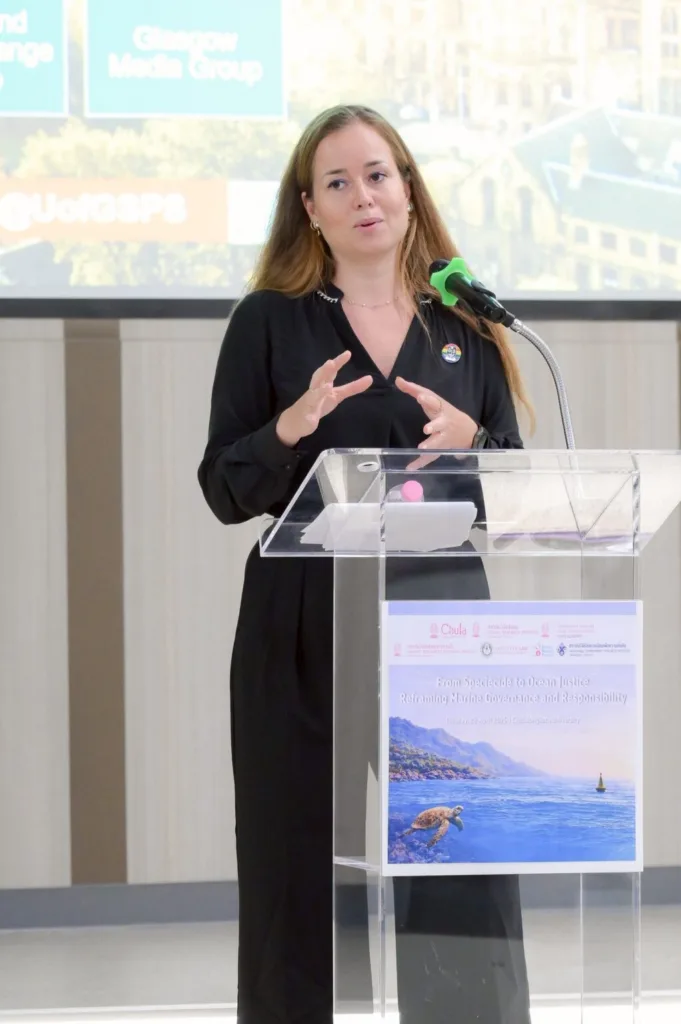
Lecture in Criminology at the Scottish Centre for Crime & Justice Research and Director of Internationalisation for the School of Social & Political Science, University of Glasgow, Scotland
The session concluded with an interactive discussion, where participants posed questions and exchanged perspectives with the speaker. This reflected strong interest in ocean justice across interconnected fields such as criminology, environmental studies, public policy, global inequality, and human–non-human relationships.
This public lecture is part of the Social Research Institute’s ongoing commitment to fostering interdisciplinary learning and dialogue, advancing social, environmental, and international justice-related issues, and promoting new understandings of fair and sustainable natural resource governance.